Russia to Reroute Grain Exports from Sea of Azov Following Ukrainian Strikes
Russia announced plans to redirect grain shipments from the Sea of Azov after Ukrainian attacks on vessels, with authorities saying alternative routes will ensure export volumes remain unaffected.
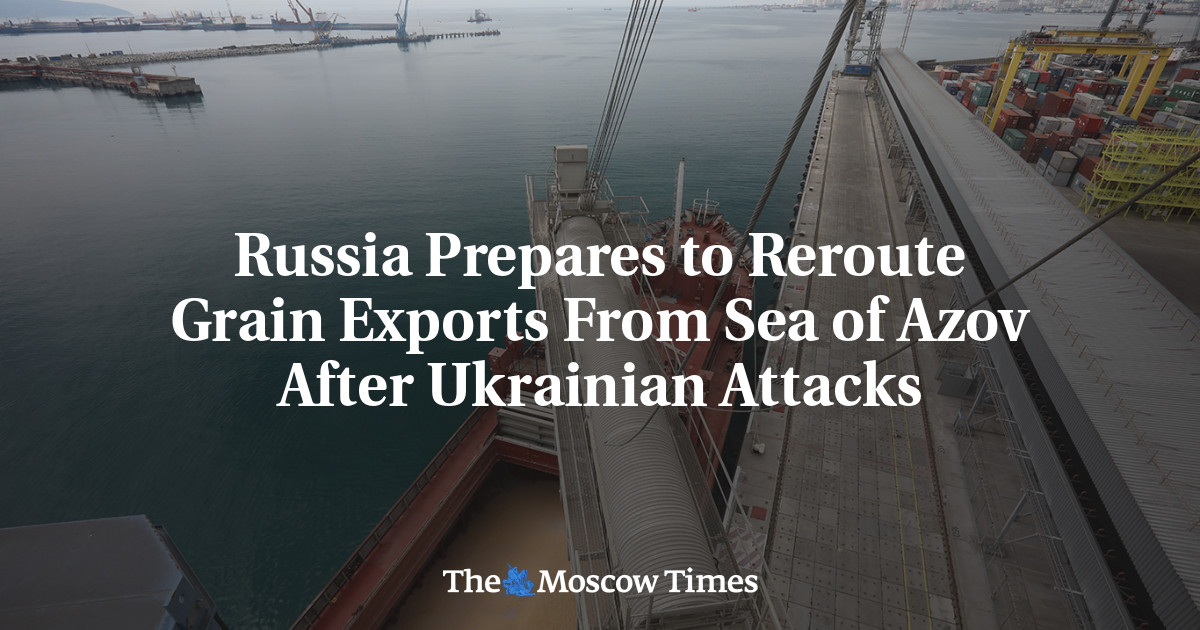
Russia said on Tuesday it is preparing to reroute grain exports from the Sea of Azov after several vessels came under Ukrainian attack last week, raising concerns about a route that handles approximately a quarter of the country's grain exports. Shipping in the Sea of Azov remained restricted on Tuesday, marking the most significant disruption to Black Sea grain trade since the war began, according to sources cited by Reuters. However, Russia's Agriculture Ministry stated that the situation would not affect export volumes or domestic food supplies, as grain can be redirected through alternative ports. "Given Russia's significant capacity for transshipping agricultural cargo in various regions, supply logistics will be redirected if necessary," the ministry said. Neither the agriculture nor the transport ministry confirmed the restrictions on sea traffic. Grain exporters suggested cargoes could be rerouted via deep-water grain terminals on the Black Sea or through Baltic Sea ports, though some Baltic ports have previously been targeted by Ukrainian drones. Russia's new harvest from southern regions has begun, but the grain has not yet reached seaports. Typically, grain shipments slow in the months before the harvest campaign. Local authorities in the Rostov region, a major grain producer, said their main goal is to minimize the impact of temporary logistical difficulties on farmers' sales of the new harvest. The disruption comes as Ukraine intensifies long-range strikes on Russian oil refineries and energy infrastructure, leading to fuel shortages across the country.