Russia shifts tactics: from tanks and artillery to glide bombs and infiltration
After four years of full-scale war in Ukraine, Russian forces have moved away from traditional artillery and tank assaults toward glide bombs and small-unit infiltration tactics, according to Euromaidan Press.
Russia's approach to the battlefield in Ukraine has changed significantly over four years of fighting, according to a report from Euromaidan Press. In the early stages of the war, Moscow's forces relied heavily on artillery barrages and tank-led assaults to advance. That approach, the outlet reports, has now given way to a different set of methods.
A different kind of warfare
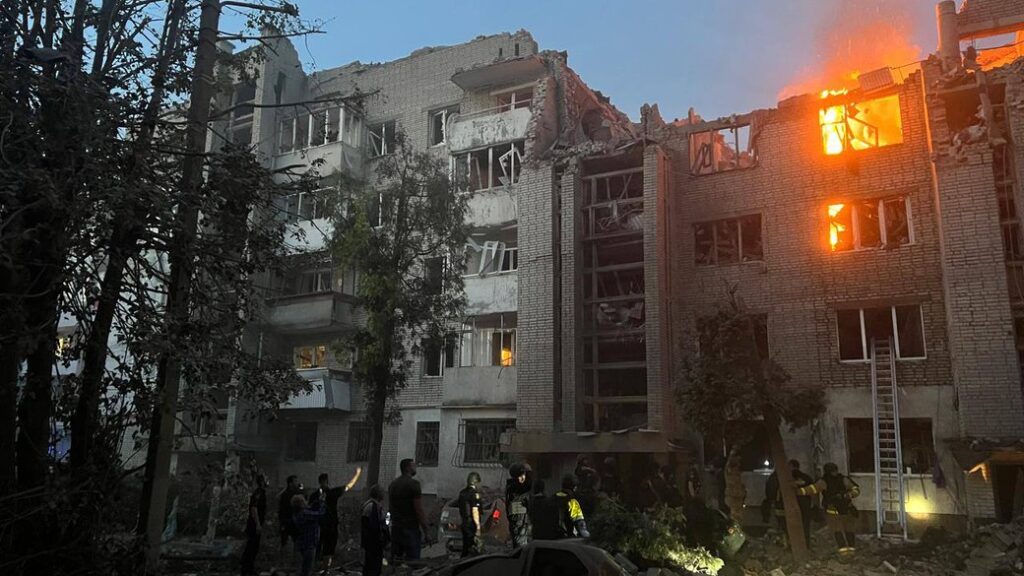
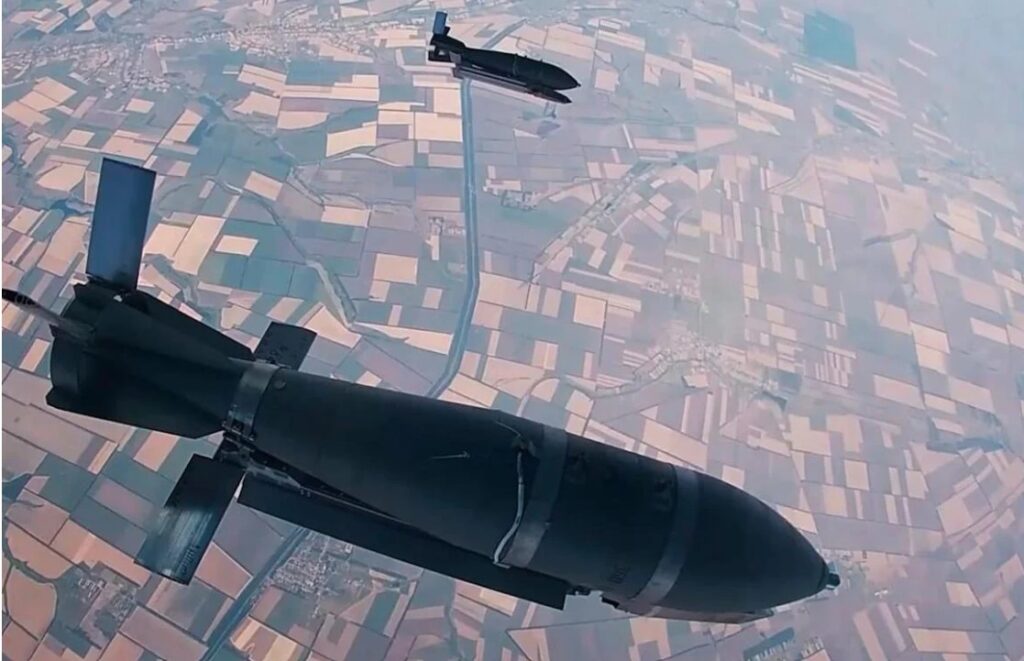
According to the report, Russian forces now make extensive use of glide bombs — air-launched munitions dropped from aircraft that can travel toward their targets from a distance. Alongside this, infiltration tactics involving small groups of fighters have become an increasingly important part of Russia's approach, replacing the large-scale armored pushes that characterized earlier phases of the war.
A gradual evolution
The shift described by Euromaidan Press has unfolded over the four years since the war began, pointing to an ongoing adaptation of Russian combat methods. The dominance of artillery and tanks that marked the conflict's early stages has been supplanted by tactics that may allow forces to reduce some of the risks associated with direct confrontation against fortified defensive lines.
The report does not provide specific figures or individual battle examples, but its overview highlights a broader trend shaped by the prolonged nature of the war. This tactical evolution suggests the conflict continues to influence military thinking on the battlefield, as forces on both sides look for new ways to achieve their objectives in conditions that have grown increasingly difficult since the war began.