Russia Rebuffs Transparency Calls After Siberian Lab Worker's Death and Reports of a Second Suspected Plague Case
Russia's health watchdog says there is no epidemic risk, while the Kremlin calls reports of a second case false. The WHO and the United States are pressing Moscow for more information.
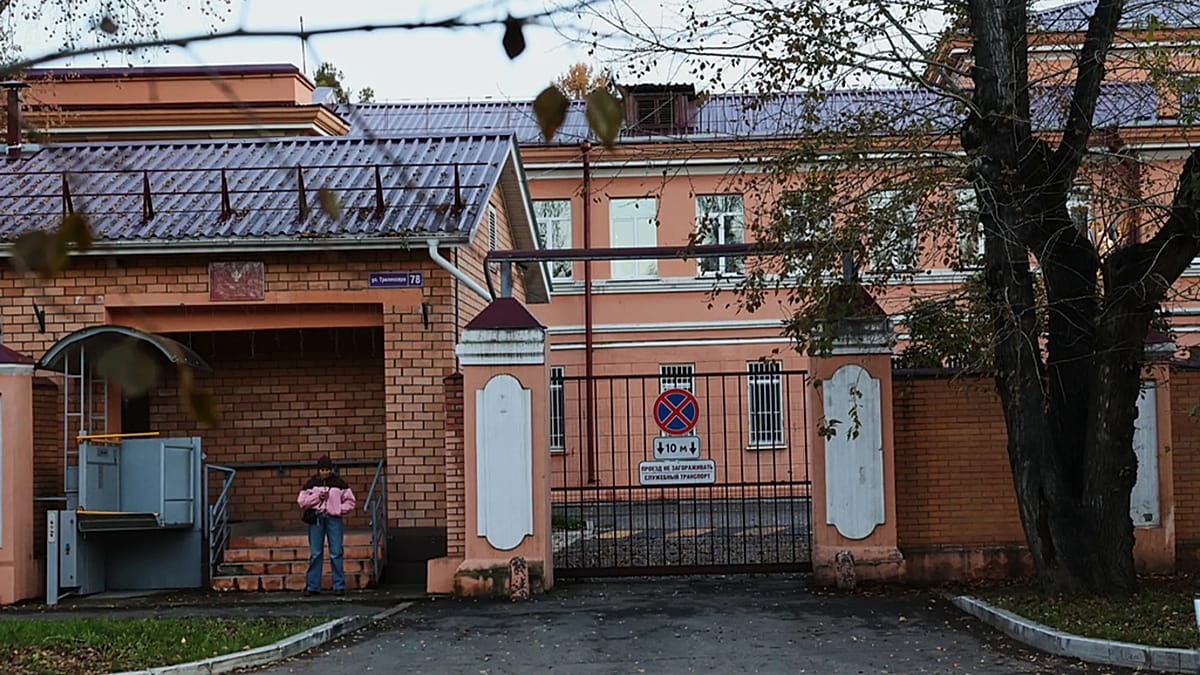
Russia on Wednesday rejected calls for greater openness over the death of a laboratory worker at a Siberian anti-plague institute, even as reports surfaced of a second possible infection.
Rospotrebnadzor, the country's public health watchdog, said it saw "no epidemic risk". The deceased is 28-year-old Darya Shipilova, an employee of the Irkutsk Anti-Plague Research Institute, who died last week in Shelekhov, near Irkutsk. The agency claims she was vaccinated and immune to the dangerous infections she handled. It said almost 5,000 laboratory tests had found no dangerous pathogens, and more than 90% of her contacts had completed medical monitoring.
Kremlin spokesman Dmitry Peskov said most media coverage of the situation was false and urged citizens to rely only on Rospotrebnadzor's official statements. Russian authorities have maintained since the start of the week that Shipilova died of pneumonia, with the cause of death still "undetermined".
International concern persists
US President Donald Trump was scheduled to speak with Vladimir Putin on Wednesday about the incident. The US State Department sent Moscow a demarche requesting more information and said it is in contact with other countries to share details. Peskov said he had no information that the Kremlin had received any official US complaint.
WHO Director-General Tedros Adhanom Ghebreyesus called on Moscow to clarify the situation following reports of a second staff member with pneumonia of unclear origin. He stressed that timely, complete and transparent information-sharing under the International Health Regulations is critical.
The day before, the WHO said the possible case posed a "very low" risk beyond Russia's borders, pointing to the country's limited contact with the rest of the world because of its war in Ukraine and the resulting sanctions. It noted that the institute studies "dangerous pathogens" and that plague occurs naturally among wild animals in the Irkutsk region.
About the disease
Pneumonic plague, the most dangerous form, affects the lungs and can spread between people through airborne droplets, with an incubation period as short as 24 hours. It can be fatal without proper care, but recovery chances are high if it is identified and treated promptly. Symptoms include shortness of breath, coughing and blood-streaked sputum. The more common bubonic plague is caused by the bite of an infected flea.
If confirmed, the case would be Russia's first verified plague infection since 2016.

/nginx/o/2026/10/06/17958748t1h4491.jpg)
