Russia's silence after a death at a Siberian plague research unit worries the WHO
Nearly three weeks after a worker at a Siberian plague research unit died of a mysterious respiratory illness, Russian officials have given no clear information. The World Health Organization and the wider international community are concerned about the lack of data.
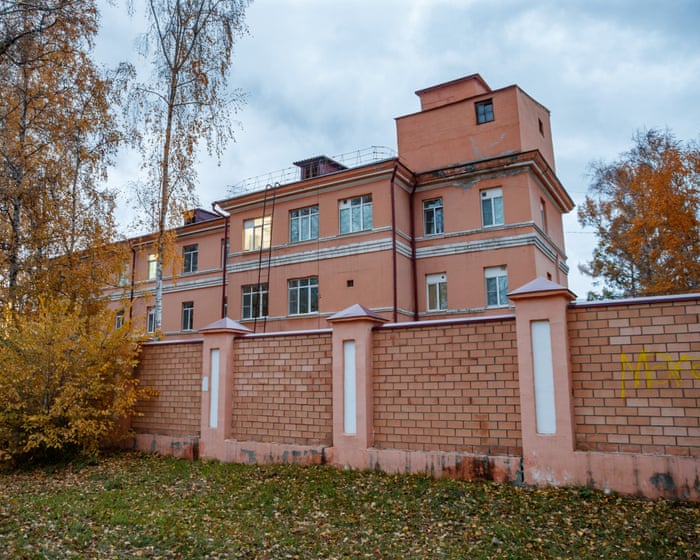
Almost three weeks after an employee of a plague research unit in Siberia died of a mysterious respiratory illness, Russian officials have said little about what happened or whether anyone else fell ill. Plague is treatable when medical help arrives quickly, so the possible outbreak itself is not the main source of concern. The worry is the lack of information, which the World Health Organization (WHO), the UN agency that coordinates international health protection, has highlighted.
What is known about Russia's response
Russia reportedly held high-level meetings on the case, put the hospital that treated the worker into quarantine and traced about 200 contacts. This suggests officials may have believed the infection was plague. Yet none of it was reported to the WHO, although international law requires this. Russia later said the worker died of pneumonia of unknown origin. Laboratory results and genetic sequences that could clarify the case have not been shared.
The US role and international cooperation
On 7 October the US State Department formally asked Russia to share information with the WHO. The same day, President Donald Trump said he would speak with Russian President Vladimir Putin about the matter; it is not known whether the conversation took place. The US left the WHO earlier this year, though it remains party to some of its treaties.
The editorial notes that US interest may fuel speculation about a leak from bioweapons research, a scenario considered unlikely but not impossible. It also recalls that this year's hantavirus outbreak linked to the MV Hondius cruise ship was successfully contained thanks to cooperation between countries. Its authors argue that the WHO may now need to seek support among broader coalitions, including the BRICS nations.

