Russia's First Duma Election Since Full-Scale Invasion of Ukraine Opens With Genuine Competition Eliminated
Voting for Russia's State Duma begins tomorrow and runs through September 20, marking the first such election since the full-scale invasion of Ukraine. The only anti-war party, Yabloko, has been barred from running, while over 70% of sitting lawmakers seek re-election.
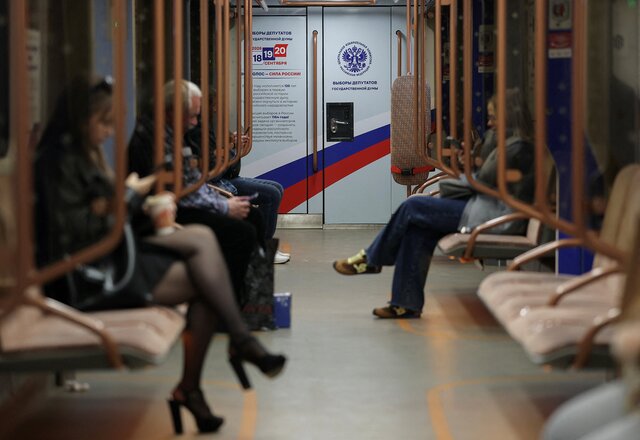
Voting for Russia's new State Duma opens tomorrow and continues through September 20 — the first parliamentary election since Russia launched its full-scale war against Ukraine. Yet the field of candidates looks largely unchanged: more than 70% of current lawmakers are seeking another term. Voters will choose 450 Duma members, 225 via party lists and 225 in single-member districts.
Ruling party dominance and the barring of the only anti-war party
Pro-government pollsters now project United Russia's support higher than in 2021, forecasting 47–53% compared with the 41–42% predicted before the last election, when the party's official result reached 50%. Analysts note that if United Russia improves on that showing amid war, intensifying repression and economic strain, it would signal the authorities' near-total control over the vote.
Yabloko, the only anti-war party, was excluded from the race. Though the Central Election Commission initially registered its party list, the Supreme Court disqualified it two weeks later on questionable grounds, following a surge in public interest in the party. Courts subsequently removed Yabloko candidates from single-member district ballots as well. In some regions, other strong challengers to United Russia candidates were also disqualified.
Amid the narrowing field, some young and protest-minded voters have begun turning to New People, a Kremlin-created party that cultivates a liberal-friendly image while avoiding challenges to the authorities on core issues such as support for the war.
Numerous "undesirable" candidates were disqualified en masse after old social media posts mentioning opposition figure Alexey Navalny resurfaced, triggering fines for displaying "extremist symbols" and a one-year ban from running. The first target of this scheme was Boris Nadezhdin, the only anti-war candidate in the 2024 presidential race, who has since left Russia.
Debates turned farce, and calls for protest voting
Television channels are required to offer candidates free debate airtime, but United Russia and other Kremlin-tolerated party candidates largely skipped the debates or attended in silence.
Russia's opposition has floated several protest-voting strategies, ranging from spoiling ballots and voting against United Russia to a full boycott. Some opposition figures are urging supporters to visit polling stations at noon as a legal form of protest. Russian authorities, meanwhile, have already requested bans on rallies near Russian embassies abroad during the voting period.