Russia and Ukraine hold truce around occupied Oleshky for more than two days
Fighting around the Russian-occupied city of Oleshky in southern Ukraine has stopped since October 27. The human rights commissioners of both countries have set out for the city to deliver aid and organize evacuations.
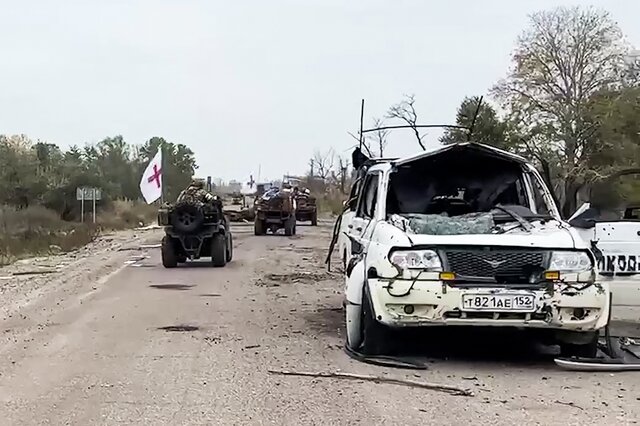
Russian and Ukrainian forces have halted hostilities around the occupied city of Oleshky since October 27. Dmytro Lubinets, the human rights commissioner of Ukraine's parliament (the Verkhovna Rada), confirmed on the morning of October 29 that the ceasefire had lasted more than two days. According to sources involved in organizing it, the truce is meant as a test of whether military commanders on both sides can carry out political agreements to stop fighting.
Aid and the commissioners' visit
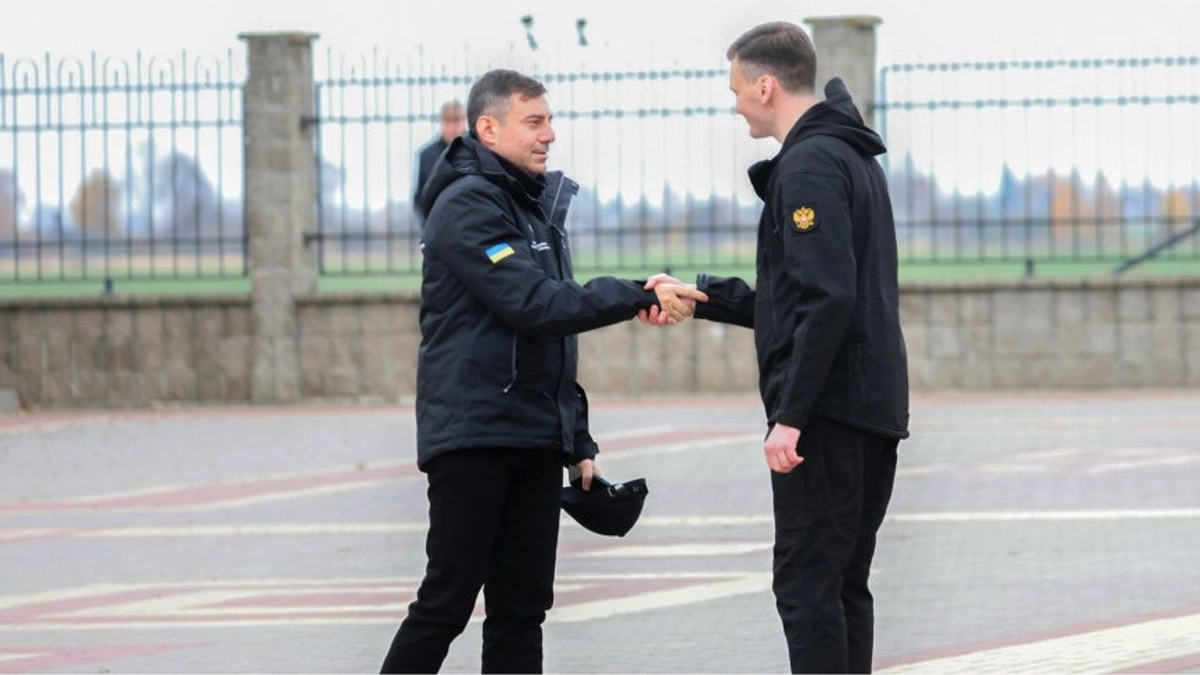
Russia's human rights commissioner, Yana Lantratova, said humanitarian aid had been sent to Oleshky: food, fuel, medicine and hygiene products. Both officials headed to the city on the afternoon of October 29. Lubinets will be the first Ukrainian official of his rank to visit Russian-occupied territory. Their main tasks are delivering aid to residents and ensuring safe evacuation for those who wish to leave.
Why the truce was hard to arrange
Sources who spoke to the Ukrainian outlet Ukrainska Pravda described organizing the halt as an extremely difficult task. A source in the administration of Ukrainian President Volodymyr Zelensky said a political order to stop firing does not automatically ensure compliance at the front. Ukrainian troops themselves repeatedly asked for guarantees that nothing bad would happen once they stopped.
The sources said the Russian side finds it easier to maintain a ceasefire because of its rigid military vertical, while Ukraine's army is more decentralized. One source warned that a prominent military blogger could stir up sentiment enough to make everything fall apart.
What may come next
If the truce holds until the evening of November 1, as planned, Ukraine expects to repeat such local ceasefires in other parts of the front. The aim is to accustom the military to the process so that a larger agreement could be implemented immediately. One source called it potentially the first real ceasefire across a fairly large stretch of the front.
Russia's Defense Ministry said it had begun clearing mines from roads leading into Oleshky and published photos and video of sappers at work. Russian President Vladimir Putin, speaking at the Russia–Africa summit in Moscow, claimed Ukraine had mined the approaches to the city, creating what he called a practically humanitarian catastrophe.