Russia's Supreme Court bars Yabloko from Duma ballot as party's popularity surges
Russia's Supreme Court removed the antiwar Yabloko party from September's State Duma election, prompting mass detentions of young supporters near the courthouse and an unexpected wave of new membership applications. Yabloko Moscow branch head Kirill Goncharov described the fallout and the party's efforts to support detained backers.
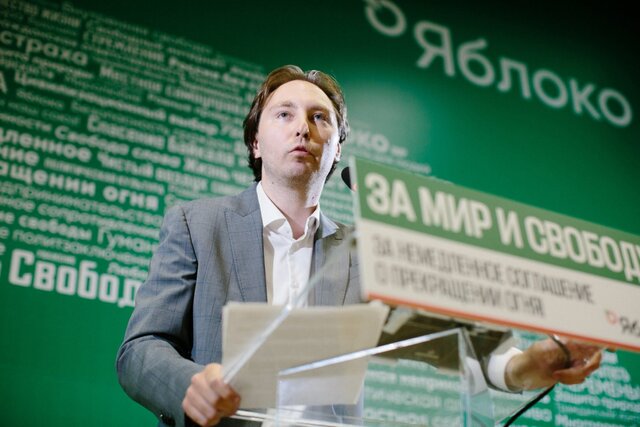
Russia's Supreme Court has struck the antiwar Yabloko party from September's State Duma election ballot after a lawsuit filed by the Rodina party. The ruling triggered a wave of public reaction, with hundreds of mostly young supporters gathering outside the courthouse. Separately, Yabloko deputy chair Lev Shlosberg was sentenced to 11 years in prison on what the party calls fabricated charges.
Despite being barred from the ballot, Yabloko is experiencing a surge in popularity: thousands of people have applied to join a party that previously counted around 4,000 members, and it has gained hundreds of thousands of new followers on social media.
Detentions and legal support
Dozens of people were detained near the court in mid-August. In an interview with the outlet Bereg, Yabloko Moscow branch head Kirill Goncharov said the party is covering legal costs for 10 to 12 people facing charges such as organizing an unauthorized rally or obstructing traffic. The party also launched a Telegram bot to handle requests for help from detainees.
Goncharov said police initially detained many people en masse on the first day and released them without charges, but later filed charges mainly against those who had attended an earlier August 10 hearing, tracking some down via surveillance cameras.
A new generation and calls for peace
Goncharov described the crowd outside the court as mostly 17- to 19-year-olds experiencing their first attempt at political participation, only to be shut out. He attributed Yabloko's rising popularity to a growing public demand for peace, compounded by economic troubles including attacks on the retailer Wildberries, drone strikes on oil refineries, and a resulting fuel crisis. Yabloko has called for a ceasefire since 2022, a position that drew criticism at the time but has since drawn support from opposition figures living abroad, including Ilya Yashin, Vladimir Kara-Murza, and Yulia Navalnaya.
/nginx/o/2026/08/20/17865494t1h3015.jpg)