Russia's 2026 Oil Output Set to Fall to Lowest Level Since 2008
Russian Deputy Prime Minister Alexander Novak says the country may produce about 494 million tonnes of oil in 2026, the lowest figure since 2008. Depleting fields, Western sanctions and Ukrainian drone strikes on oil infrastructure are weighing on the sector.
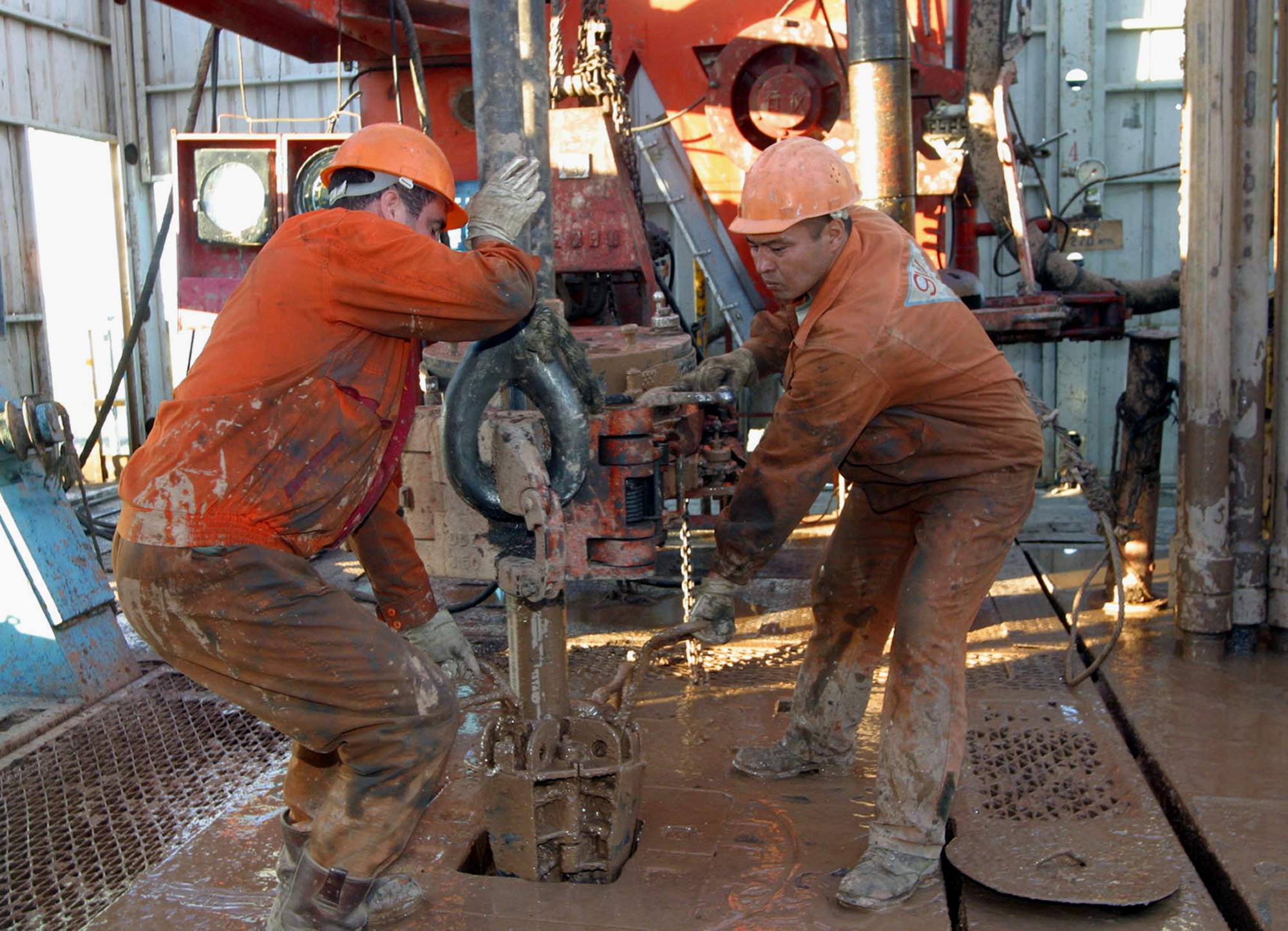
Russia's oil production this year could drop to its lowest level in 18 years. According to Deputy Prime Minister Alexander Novak, the country may produce roughly 494 million tonnes of oil in 2026. Oil remains one of Russia's main sources of foreign currency, so a prolonged decline in output and exports could affect both the national economy and the state's ability to pursue its foreign policy goals, The Moscow Times reports.
A multi-year decline
The projected volume would be 3.4% below 2025, when output reached 511.5 million tonnes, and 4.3% below 2024, when 516 million tonnes were produced. Earlier figures were higher still: 530 million tonnes in 2023 and 535 million in 2022. Compared with 2019, when output was about 560 million tonnes, the highest level since Soviet times, the drop is roughly 12%. The last time Russia produced less was 2008, with 488 million tonnes. Even during the Covid-19 pandemic output was higher, at 512.7 million tonnes.
The government has also missed its own targets: 525 million tonnes were initially planned for this year, later lowered to 511 million.
Drones, sanctions and depleting fields
Ukrainian drone strikes on refineries cause outages. UBS analyst Giovanni Staunovo says refining volumes in Russia have fallen to their lowest in 20 years. If crude can be neither refined nor exported, producers have to cut output as well.
The problems are not caused by the war alone. Fields discovered in Soviet times are gradually running dry, particularly in the Khanty-Mansi Autonomous Okrug in Western Siberia, which supplies about 40% of the country's oil. Output there has fallen by about a fifth since 2009. Over the past 15 years companies have increased the number of horizontal wells by 60%, yet production has not grown. Western sanctions restrict access to technology, equipment and financing.
Forecasts to 2050
In Russia's Energy Strategy to 2050, the inertia scenario sees output falling to about 287 million tonnes a year, with exports dropping from 234 to 79 million tonnes. Under the stress scenario, which assumes tougher sanctions and a faster global shift away from fossil fuels, output falls to 171 million tonnes and exports could stop entirely. These are long-term forecasts, not guaranteed outcomes.