Trapped under Russian occupation, Oleshky residents resort to eating garden weeds amid blockade
About 6,000 people remain in the Russian-occupied city of Oleshky in Kherson region, cut off from electricity, water and food deliveries, with residents describing drone strikes on civilians and bans on burying the dead.

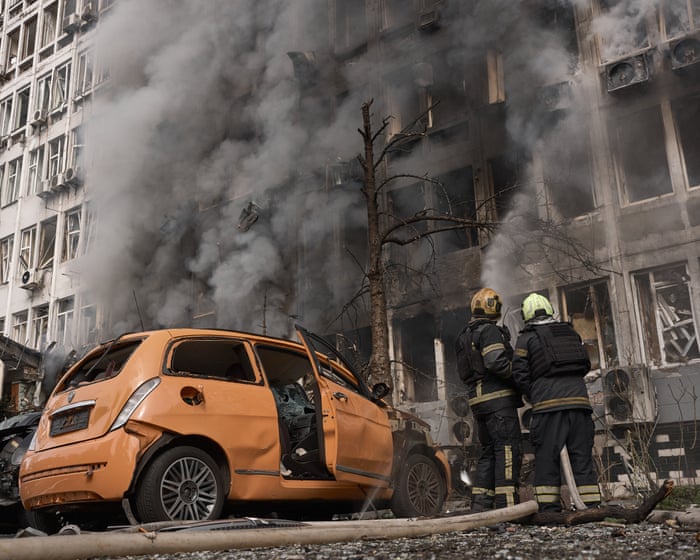
Occupied by Russia since 2022, the frontline city of Oleshky in southern Kherson region has had no electricity, gas or water since the 2023 destruction of the Nova Kakhovka dam, which flooded much of the city. Oleshky's pre-war population of 24,000 has dwindled to an estimated 6,000 people remaining in the city and surrounding areas, including 200 children, according to Ukrainian government estimates.
Residents told the BBC that the last food delivery arrived in May. Many have turned to cooking garden weeds after exhausting the vegetables they grew over summer. No shops remain open, leaving people unable to obtain clothing or hygiene products. Roads out of the city are mined and now considered too dangerous to travel even on foot in search of supplies.
Deaths and burial restrictions
On 20 September, a drone killed a husband and wife who were carrying home a bag of food from a nearby town but failed to return before a curfew imposed by occupation authorities — an incident confirmed by four separate sources. Another resident told the BBC that both her parents were shot dead in their home this summer by Russian soldiers who wanted to take the property.
Burying the dead in Oleshky has been severely restricted, as occupation authorities require deaths to be confirmed by post-mortem examination from a Russian doctor, which is not available in the city. Only those who die of natural causes can be buried, while other bodies remain on the streets for months or pile up in a hospital morgue that has had no power since winter. A charity co-founder described the practice as a tool of psychological pressure.
The UN Human Rights Monitoring Mission has recorded at least 29 civilians killed and 54 injured this year in Oleshky and the nearby town of Hola Prystan, though local volunteers believe the true toll is much higher — one volunteer has compiled a list of around 1,200 deaths since 2022. The Kremlin this week acknowledged a "critical situation" with food and medicine supplies in Oleshky but blamed Kyiv. Ukraine's foreign minister has called on the international community to pressure Russia into allowing humanitarian aid into the city.