Russian opposition split over State Duma election strategy
Yabloko leader Nikolai Rybakov has sharply criticized the voting strategy proposed by exiled politicians Yulia Navalnaya and Maxim Katz for the upcoming State Duma election. Katz responded, urging supporters not to take the harsh words too seriously.
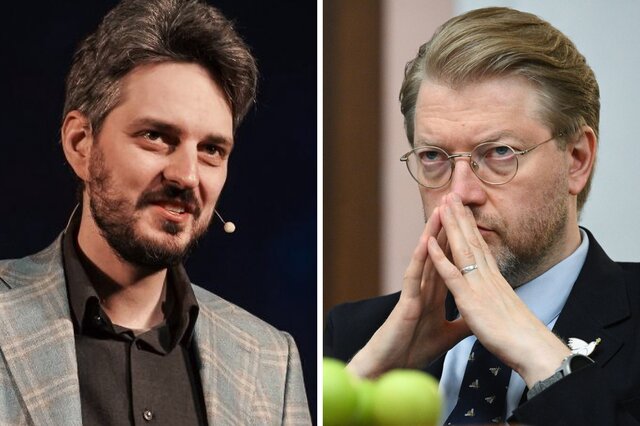
A public dispute has broken out among Russian opposition figures over how voters should approach the upcoming State Duma election. Yabloko party leader Nikolai Rybakov, speaking at a meeting with supporters in St. Petersburg, harshly criticized a voting strategy proposed by exiled opposition politicians Yulia Navalnaya and Maxim Katz.
The Navalnaya-Katz plan calls on voters to back any party other than United Russia in the party-list race, while supporting the strongest opponents of the ruling party in single-member district races. Yabloko, whose own list was barred from the election, is instead urging supporters to spoil their ballots in the party-list vote.
Sharp words
Rybakov argued that while authorities are jailing his colleagues for up to 11 years, the Navalnaya-Katz camp is asking supporters to effectively back the very forces responsible for deaths in the war, tracing the consequences back to decisions made in 2021. He said the responsibility for following such a strategy would fall on the voters themselves, not on politicians sitting abroad. Rybakov warned that the approach would ultimately lead to deaths and prison sentences, and accused Navalnaya and Katz of manipulating supporters from the safety of exile.
Katz's response
Maxim Katz responded by acknowledging that Yabloko continues its political work inside Russia, calling this brave and important. He confirmed that he and Navalnaya are urging people to support Yabloko candidates in the single-member district races, but disagree with the party's call to spoil ballots in the party-list vote. Katz said the differing positions were simply a matter of disagreement, and urged people not to dwell on Rybakov's harsh remarks, pointing to the pressure and risks faced by politicians advocating for peace while operating inside Russia.