Why Russia’s jet-powered Geran drones are complicating Ukraine’s air defense — and what Kyiv’s falling intercept rate signals
Russia has shifted to round-the-clock drone attacks on Kyiv using faster jet-powered Geran drones. Ukraine’s interception rate has dropped from 95–98 percent to 79 percent, underscoring new strains on its air defenses.
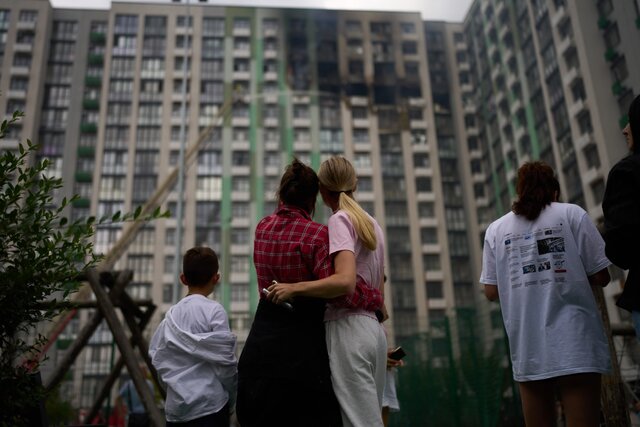
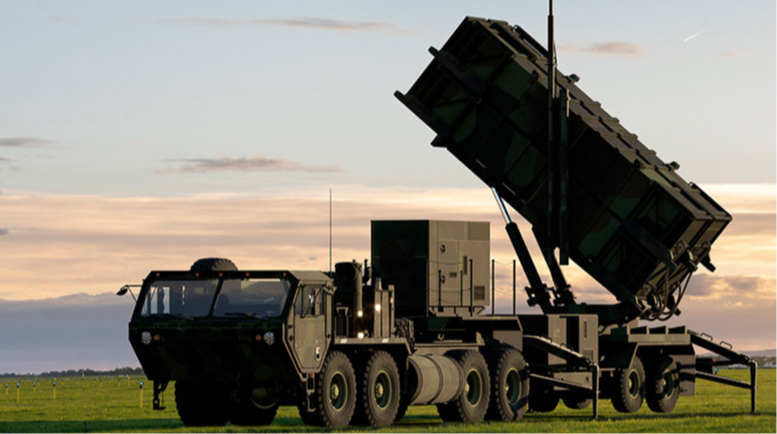
Russian forces have altered their approach to striking Kyiv, launching almost nonstop waves of drones throughout the day instead of limiting attacks to nighttime. The military is increasingly relying on jet-powered Geran drones — Russia's take on the Iranian-designed Shahed — which travel considerably faster than older propeller-driven versions and are more difficult for air defenses to bring down.
As a result, the Ukrainian capital has settled into a strained new routine, according to The New York Times. Shopping centers and shops repeatedly close during the day because of air-raid warnings, and more residents are spending nights in shelters. Locals see the attacks as an attempt to “spread chaos.” One resident told the newspaper: “They want people to flee Kyiv. They want to interrupt our regular life.”
President Volodymyr Zelensky said on Sunday that Russia's current tactic is to “wear down Ukraine and Ukrainians — first and foremost, our people.”
Ukrainian Air Force spokesman Yurii Ihnat said on Monday that over the previous four days Russia had launched more than 1,500 drones, roughly 800 of them jet-powered — more than half. By comparison, Russia used only about 300 jet-powered drones against Ukraine in June and around 1,500 in July, according to Serhii Beskrestnov, an adviser to Ukraine's president on technology.
The BBC reported that the pattern of attacks has changed too: drones now arrive in smaller but more frequent batches. Russia sends three or four jet-powered drones, sometimes as many as ten, roughly every half hour. On August 27 alone, Kyiv saw 13 air-raid alerts totaling 15 hours — a record since the start of the full-scale invasion.
The jet-powered drones are harder to shoot down because of their speed. In winter 2026, Ukraine was intercepting 95–98 percent of propeller-driven Shaheds. On August 27, Ukrainian forces downed 88 percent of all drones, both conventional and jet-powered; by August 31, the figure was only 79 percent.
An unnamed Ukrainian government official told The Wall Street Journal that Ukraine already has drones capable of shooting down the newest Geran models, but only a few hundred of them — far short of the thousands it needs. Ukraine is developing countermeasures, and sources in the country's defense industry told the BBC they expect a response within the next month.
As Russian strikes on Kyiv intensify, Ruslan Horbenko, a lawmaker from Zelensky's Servant of the People party, said Kyiv and the surrounding region could be officially designated front-line areas. This status would bring benefits such as war-risk insurance, exemption from mobilization, and wage guarantees for utility workers. He said a government resolution to that effect had already been drafted.
Overnight, Russian forces again struck Kyiv and the region with ballistic missiles and drones, killing 12 people and injuring more than 20, according to authorities. Six of the dead were employees of Ukrzaliznytsia, Ukraine's state railway company; they were killed in a strike on a rail depot in Kyiv.