Russian strikes on Kyiv intensify as residents spend nights in subway stations
Russian attacks on Ukraine's capital have grown deadlier in 2026, turning Kyiv into a front-line city. The city's military administration reports 140 deaths in the first eight months of the year.
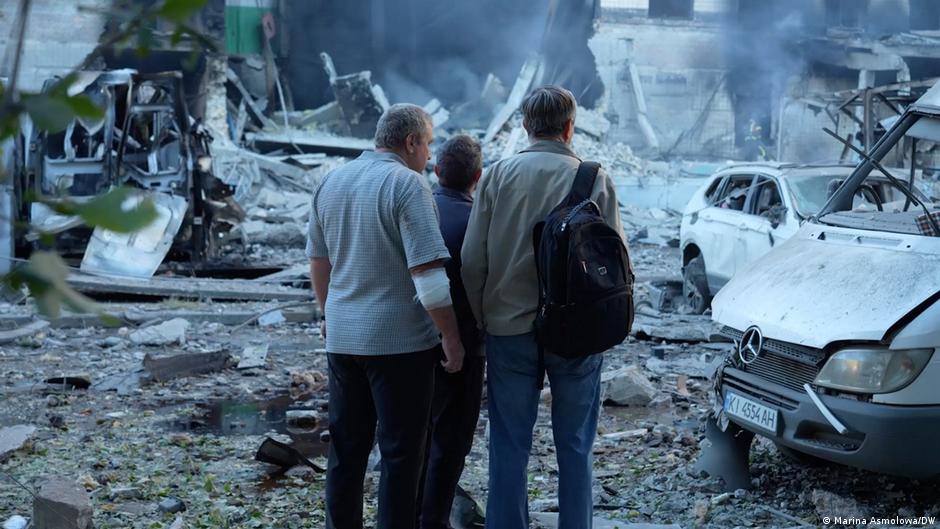
Intensified Russian attacks on Kyiv, Ukraine's capital of roughly 4 million people, are changing daily life in a city that until a few months ago was relatively calm compared with areas near the front. Kyiv is now increasingly described as a front-line city. The shift matters because the war has lasted four years and eight months, and both residents' safety and the supply of heat, electricity and water this coming winter are under threat.
Nights in the subway
There are too few shelters for the population, so subway stations serve as makeshift dormitories. From about 10 p.m., people lay out mattresses and set up small tents. Halyna, who lives in Kyiv's Lukyanivka district, told Deutsche Welle that she takes her 5-year-old son, Roman, to the nearest station on most evenings, even when no air-raid siren has sounded.
Casualties and schools
In September, a Russian drone hit an apartment building in the Pechersk district, killing 14-year-old Daniel Umanskyj, who was doing homework at home. In early October, a drone struck a school building in southwestern Kyiv, but pupils and teachers were already in a shelter. Principal Valentyna Chorna said the shelter holds more than 500 students, so pupils in grades one to nine attend in person. Elsewhere, attendance depends on shelter availability and how long a siren lasts, which places a heavy burden on parents.
Statistics and supply
According to Kyiv's military administration, 140 people were killed in the city in the first eight months of 2026, compared with 172 in all of 2025. Strikes on warehouses have caused supermarket shortages, and emergency power outages resumed at the end of September. A Russian attack temporarily paralyzed the subway.
The Kyiv International Institute of Sociology reported in early October that 72% of residents said in September they were ready to endure the war for as long as necessary. The curfew has been shortened and now runs from 1 a.m. to 5 a.m.