Russian regional politics expert Kynev detained on drug charges after criticizing Duma vote
A Moscow court has ordered the detention of Alexander Kynev, Russia's leading expert on regional politics, on drug trafficking charges just days after he publicly criticized the conduct of the latest State Duma elections.
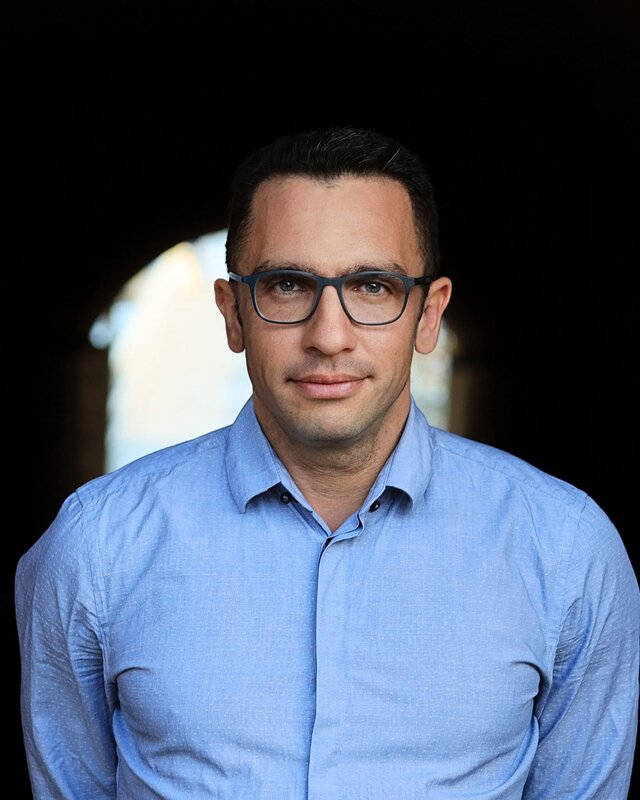
Moscow's Perovsky District Court ruled on September 25 to detain political scientist Alexander Kynev, widely regarded as Russia's foremost expert on regional politics. He has been charged under a law prohibiting the production, sale, or transport of large quantities of drugs, an offense carrying a prison sentence of 10 to 20 years. His lawyer, Mikhail Biryukov, says Kynev is accused of attempting to sell a large quantity of drugs; Kynev denies the charge, and his defense plans to appeal the detention order.
The arrest came just days after Kynev publicly criticized the September State Duma elections, saying authorities had gone too far in using administrative pressure — including employer-driven mobilization — to boost turnout. According to Meduza, Kynev had been abroad shortly before the vote but returned specifically to take part in it.
A long career studying Russian politics
Born in 1975 in the Komi Republic, Kynev began working with the Yabloko party in 1996 and later became its chief regional-affairs expert. He went on to head the analysis department at the independent election monitor Golos, study regional politics at the Carnegie Moscow Center, and teach political science at the Higher School of Economics until 2019. Since 2012 he had worked with the Committee of Civil Initiatives, founded by former Deputy Prime Minister Alexey Kudrin, and since 2018 had been an expert with the Liberal Mission foundation.
Kynev chose to stay in Russia after the full-scale invasion of Ukraine began, saying he wanted to remain close to the subject of his research. He nonetheless criticized both the authorities and Russian political émigrés in interviews with independent outlets. In February of this year, he was added to Russia's "foreign agents" registry. Colleagues suggest the new drug charge may be linked to his continued outspoken criticism of election fraud and pressure on the opposition.