Latvia's Crisis Management Centre head explains the agency's everyday work
Arvis Zīle, head of Latvia's Crisis Management Centre, said on TV24 that the agency's work goes far beyond responding to major disasters, focusing daily on helping sectors prepare for and withstand crises. This year the centre plans broader exercises involving as many municipalities and institutions as possible.
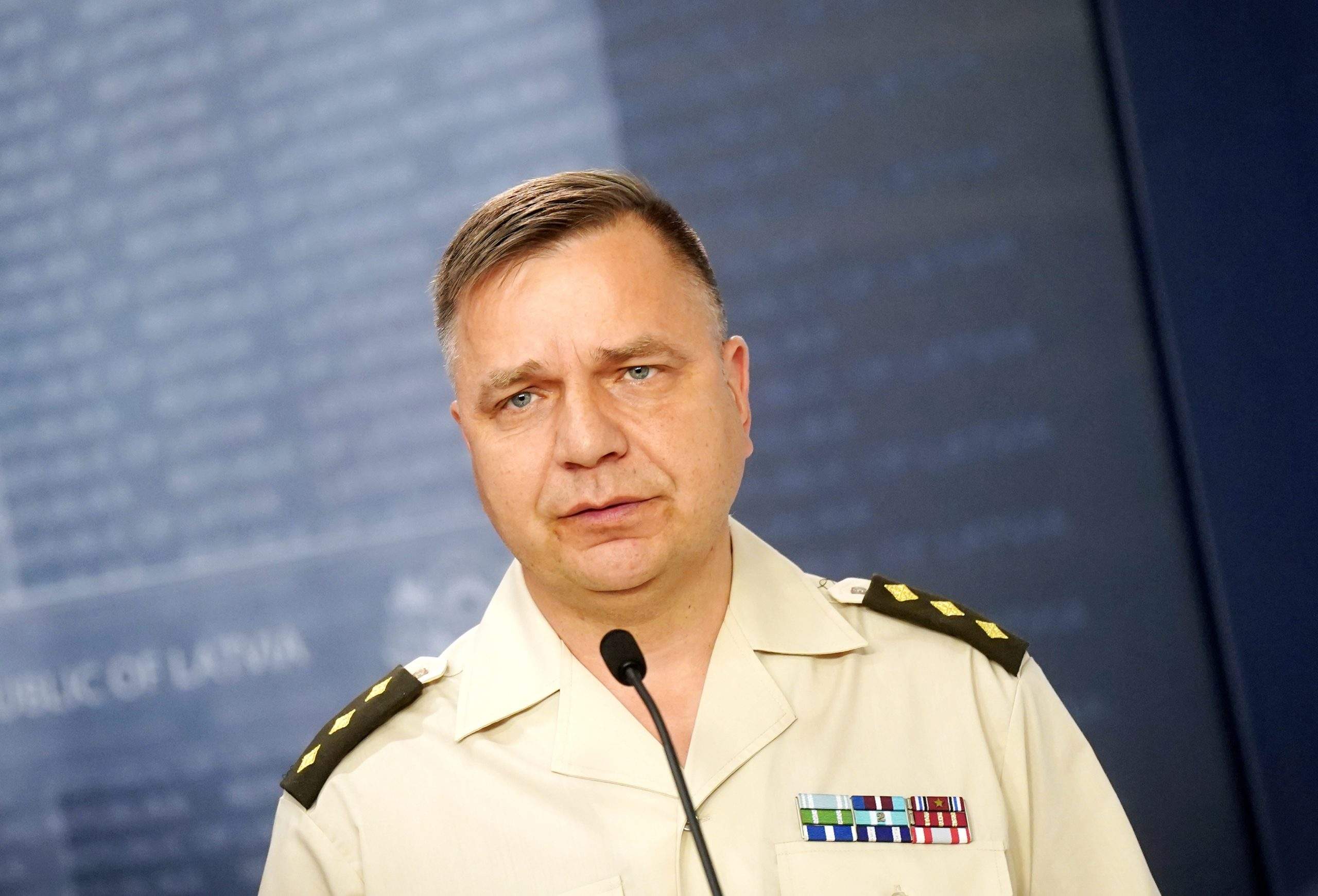
Speaking on the TV24 programme "Uz līnijas," Arvis Zīle, head of Latvia's Crisis Management Centre, described the agency's routine work, noting that it does not operate only when the country faces a major disaster. The centre's main task is to help various sectors prepare for possible crises and strengthen their resilience.
National Risk Catalogue
One of the centre's most tangible achievements is the National Risk Catalogue, available on the State Chancellery's website. It compiles information on risks present in Latvia, including their likelihood and potential impact. The catalogue can be used by ministries, other sectors, municipalities, and any resident seeking a clearer understanding of the threats Latvia may face.
Business continuity plans
Another responsibility of the centre is helping sectors develop business continuity plans. These plans aim to ensure that, even during a major catastrophe, sectors can keep operating and residents retain access to critical and essential services. Zīle explained that such a plan essentially outlines how a given sector could continue functioning and keep providing necessary services to people during such an event.
Exercises for institutions and the public
The centre also prepares and leads civil-sphere exercises, aimed at both civil institutions and the general public. This year, particular focus will be placed on comprehensive exercises intended to involve as many civil institutions and municipalities as possible.
The goal of these exercises is to build readiness not only for natural disasters or power outages but also for far more serious threats. Zīle emphasized that the aim is to be prepared for any kind of threat — not just storms or power cuts, but also a potential military threat, should one arise.

/nginx/o/2026/09/01/17889986t1h88a0.png)
