Kudors: US intelligence chief's visit to Latvia sends signal to Russia and Baltic allies
Political scientist Andis Kudors says the visit of a top US intelligence official to Latvia is a positive political and security signal that counters Russian propaganda about US indifference toward the Baltic states. He cautioned, however, against drawing firm conclusions about reports of a possible meeting with Russian intelligence leadership.
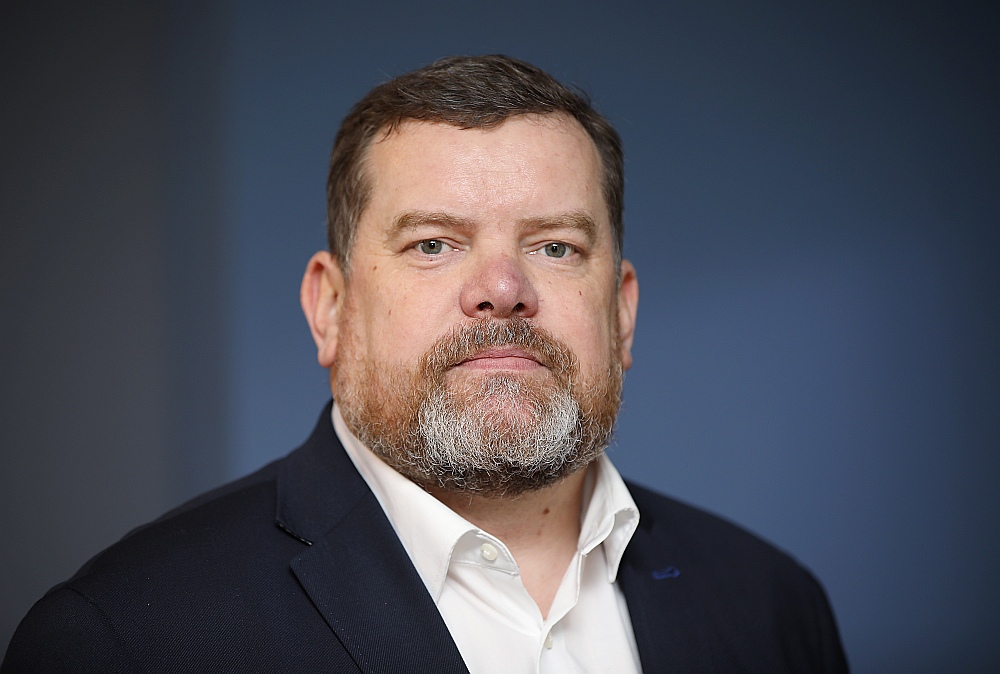
Foreign policy expert and University of Latvia lecturer Andis Kudors said on TV24's program "Preses klubs" that a visit by a senior US intelligence official to Latvia carries significant political and security weight, signaling continued Washington interest in the Baltic region.
According to Kudors, the presence of a high-ranking US official in Latvia counters a narrative long promoted by Russia — that US interest in the Baltic states is limited and that NATO security guarantees for the region cannot be fully trusted. "This slaps down all the Russian propagandists who claim the US isn't interested in the Baltic states," the expert said.
Caution over the visit's content
While public reports have suggested a possible meeting between the US official and Russian intelligence leadership, Kudors urged against rushing to conclusions about what was discussed. He noted that intelligence communications differ fundamentally from ordinary public diplomacy — even when information reaches the media, there is no guarantee it represents the full or accurate picture. He suggested some of the circulating details should be treated as possible scenarios rather than confirmed facts.
Symbolism of the route
Kudors also highlighted the possible significance of the visit's geography, noting that if the official's route to and from Moscow included a stop in Riga, that itself could carry a political message. He drew a parallel to a past visit by former US President George W. Bush, who stopped in Riga before traveling to Moscow, stressing that the sequence and locations of high-level visits can matter as much as the content of the talks themselves.
The expert speculated that any talks could have lasted several hours and potentially involved representatives of various Russian intelligence bodies, including the FSB, though he stressed this was only his hypothesis. Possible discussion topics mentioned included Russian-Iranian cooperation on intelligence matters and the war in Ukraine, though Kudors emphasized that without official confirmation, no firm conclusions can be drawn.


