Kudors: Russia Is Targeting Europe With Sabotage and Provocations
In an opinion piece for Delfi, analyst Andis Kudors argues that Russia is attacking Europe through sabotage, assassination plots and provocations, and that peacetime is over. He describes the multi-layered agent model used by Russian services and the risks facing Latvia.
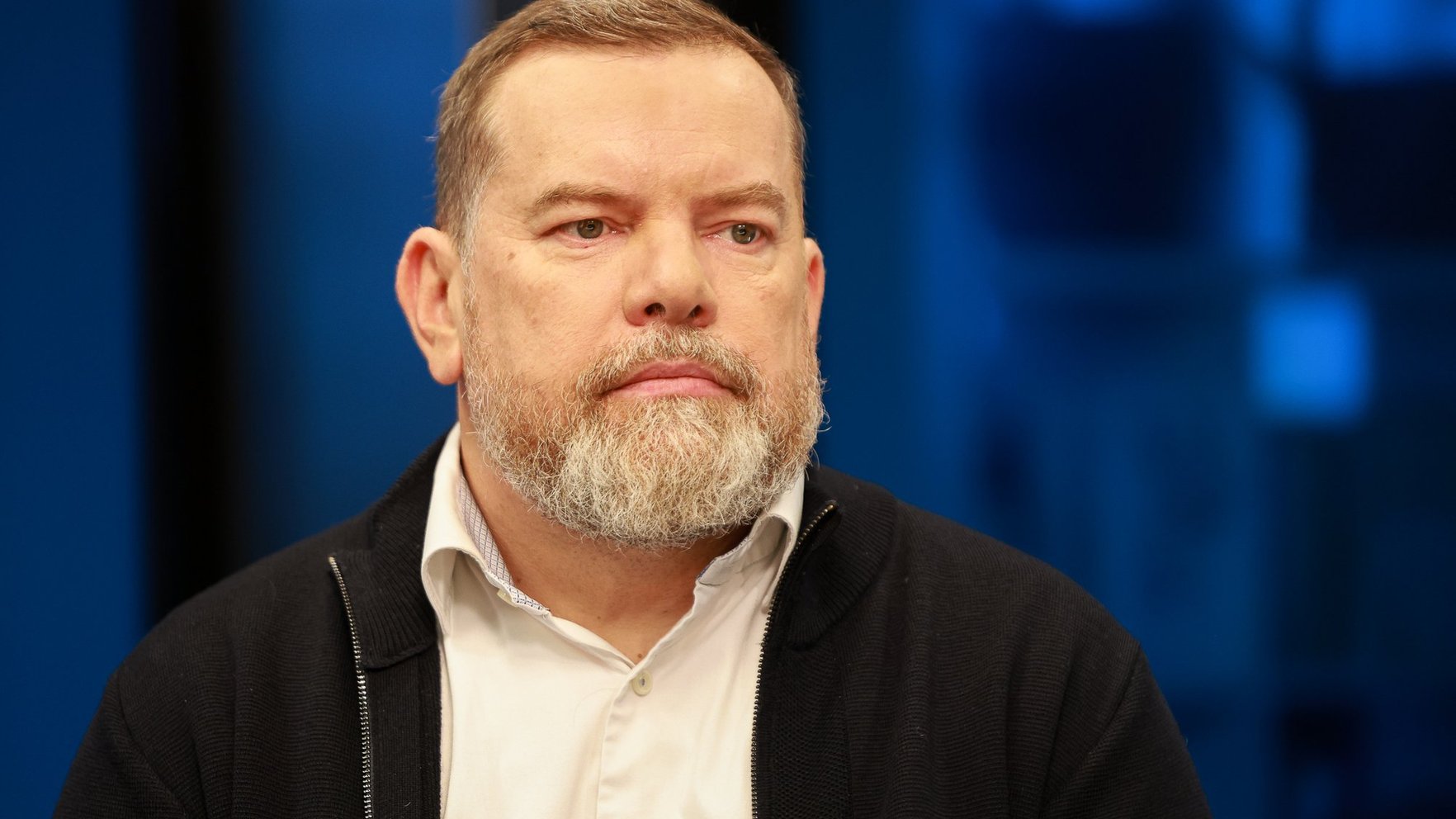
Andis Kudors, in an opinion piece published by the Latvian news portal Delfi, concludes that in autumn 2026 Europe no longer lives in peacetime, as Russia directs sabotage, intimidation and provocations on the eastern border of NATO, the North Atlantic military alliance, against it. The author believes the intensity of these attacks is growing, as is the risk of military confrontation between NATO and Russia. The article is the author's opinion and may not reflect the position of Delfi's editorial board.
Sabotage and its perpetrators
Kudors states that since January 2026, more than 20 cases of sabotage have been recorded in European countries, involving citizens of Poland, Moldova, Turkey, the United Kingdom, Cuba and other states. Perpetrators are recruited through messaging apps, most often Telegram, where they are also given tasks.
In the model the author describes, a Russian intelligence officer prepares a task and passes it to one or more intermediaries, while the executor at the end of the chain may not know who ordered it. After hundreds of Russian intelligence officers working under diplomatic cover were expelled from Russian embassies in Europe, the Main Intelligence Directorate of the Russian Armed Forces General Staff (GRU) switched to a decentralised agent model, recruiting local criminals and third-country nationals.
The Latvian dimension
Latvia's State Security Service (VDD) assesses that sabotage organised by Russian special services poses the greatest threat to national security. In Latvia it has mostly taken the form of arson. The VDD says recruitment also takes place among former and current prisoners, and that perpetrators do not always receive the payment they were promised. The service also reminds that Latvian residents travelling to Russia come to the attention of Russian special services, since Russian border guards are part of the Federal Security Service (FSB).
Kudors also criticises European visa policy towards Russian citizens: the Baltic states and Finland have significantly reduced visa approvals, while other member states continue to issue hundreds of thousands of tourist visas.
Countermeasures
The author notes that European security services have foiled several planned sabotage operations, including jointly neutralising plots to kill Armin Papperger, chief executive of the German defence company Rheinmetall. Information on prevented cases rarely reaches the public, as disclosure could jeopardise future operations.