Draining peatlands accounts for about 2.7% of human-caused global warming
A study in the journal Nature finds that emissions from drained peatlands made up 2.7% of the human-caused change in Earth's energy budget in 2020. If water levels stay unchanged, the effect would nearly double by 2100.
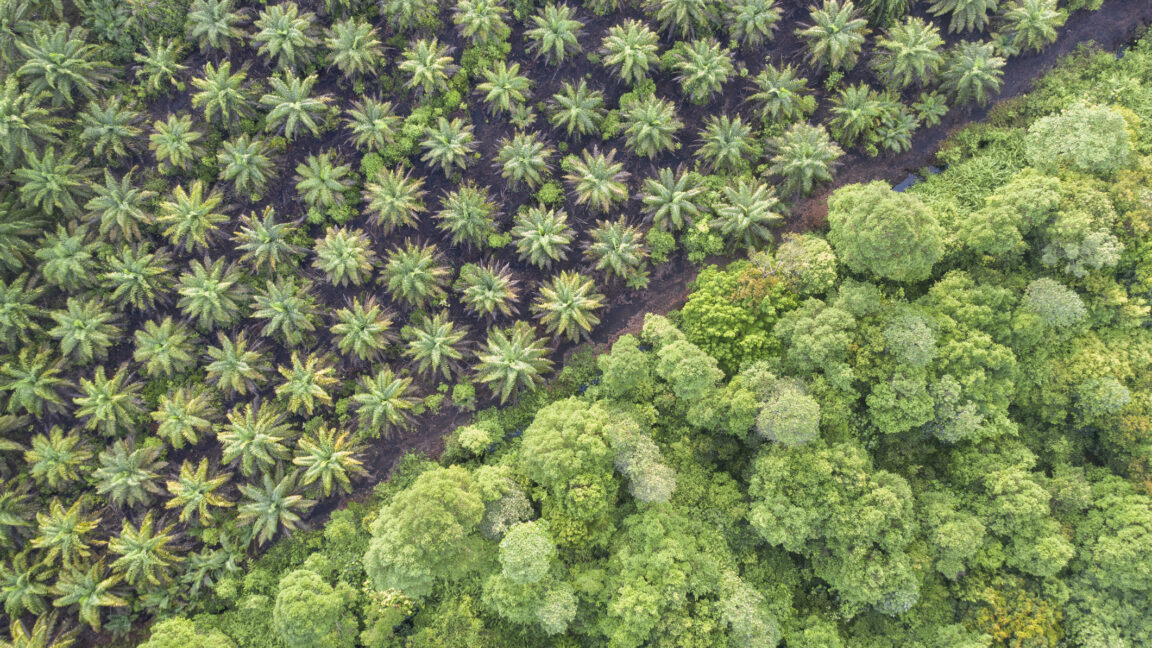
A research team has calculated how much of global warming stems from draining peatlands, publishing the results in the journal Nature. According to their model, the effect in 2020 amounted to about 2.7% of the total human-caused change in Earth's energy budget, a measure of the strength of the greenhouse effect. The finding matters because emissions from drained peatlands will keep coming in the future.
How the impact was measured
The researchers compared the effects of both carbon dioxide (CO2) and methane. CO2 emissions contributed about +83 milliwatts per square meter of Earth's surface in 2020, while reduced methane emissions contributed about -9 milliwatts per square meter. The net effect was +73 milliwatts. Given the uncertainty in the calculations, the share ranges from 1.8 to 3.6 percent.
Put another way, around 4 percent of all the carbon once stored in peatlands is now in the atmosphere.
Regional differences
Over half of the total CO2 came from Europe, almost a quarter from Southeast Asia, and only 14 percent from North America. The timing differs too: Southeast Asia's contribution only rose sharply in recent decades.
Outlook to 2100
Draining a peatland only starts the process of releasing carbon, so past land-use change will keep generating emissions. The researchers ran their model forward to 2100. If peatland water levels were held constant from 2020, the total effect would nearly double, from 73 to 138 milliwatts per square meter.
Moderate restoration of water levels could slow that growth, and ambitious restoration could even shrink the effect slightly below its 2020 level. However, returning fully to the landscape of 1800 is unlikely, so elevated emissions will persist for a long time.

