Strait of Hormuz Reopens as Iran-US Deal Takes Shape, But Management Questions Linger
Ships are again moving through the Strait of Hormuz after a US-Iran deal to end the war, but who will manage the vital waterway remains uncertain despite President Trump's optimism.
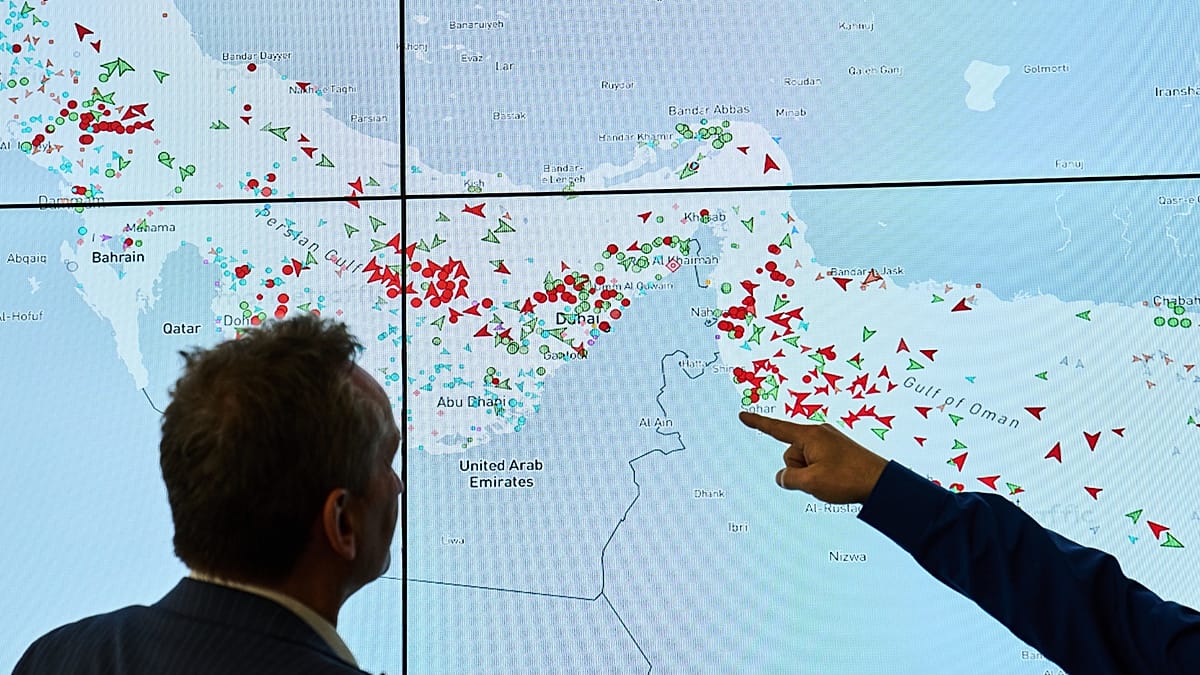
Iran and the United States have confirmed that vessels are once again transiting the Strait of Hormuz, with President Donald Trump stating the route will be "completely open" by Friday. However, the future governance of the strategic chokepoint, through which about one-fifth of the world's oil and liquefied natural gas normally passes, remains unclear.
Trump claimed Tuesday that ships, many laden with oil, are moving out of the strait. Iranian state media reported that three oil tankers and two cargo ships had passed through the area, which had been under a US naval blockade. Trump initially declared the waterway reopened on Sunday but later clarified that this depends on the formal signing of an agreement in Switzerland on Friday.
Tehran has been mostly reserved about the strait's future. State-run Fars news agency indicated the deal includes a legal framework for the Persian Gulf, with joint management by Iran and Oman. However, Iran previously published a map claiming regulatory control over a stretch extending into the territorial waters of the UAE and Oman, prompting five Gulf states to warn shipping companies. Tehran had also proposed tolls, which Oman rejected. After the deal, Iran's foreign ministry spokesperson said Tehran would charge "maritime service fees" rather than tolls.
The reopening is a key part of ending months of war and economic disruption that began with US-Israeli strikes on Iran in late February. Iran had blockaded the strait, sending oil prices soaring, while the US blocked shipping to Iranian ports.
A senior US administration official said Trump, Vice President JD Vance, and Iran's parliamentary speaker had already signed the text electronically. Trump called it a "very powerful document" that he wants released soon. Iran's Deputy Foreign Minister said the deal brings an "immediate end" to the war, with final negotiations within two months. Iranian officials hailed it as a victory, though Foreign Minister Abbas Araghchi expressed caution about past broken commitments.
The deal includes the release of frozen Iranian assets. Mehr news agency reported that $10.3 billion (€10.3 billion) would be released before negotiations, and $24 billion (€20.6 billion) during a 60-day period. Vance stated no US taxpayer money would go to Iran. Tehran also seeks UN Security Council ratification of a final nuclear agreement. Trump indicated negotiations over a 20-year enrichment suspension, possibly settling for 15. Vance said IAEA and US inspectors would enter Iran to help destroy its highly enriched uranium stockpile.
Regarding Lebanon, Iran said Washington must ensure Israel ceases fighting there. The war expanded to Lebanon in March after Hezbollah rocket attacks. Netanyahu stated Israeli forces would remain in Lebanon, Syria, and Gaza as needed. Lebanese President Aoun welcomed the deal. Hezbollah thanked Iran for including Lebanon and reported repelling an Israeli advance.