Kulbergs Government Plans a “De-Russification Declaration”
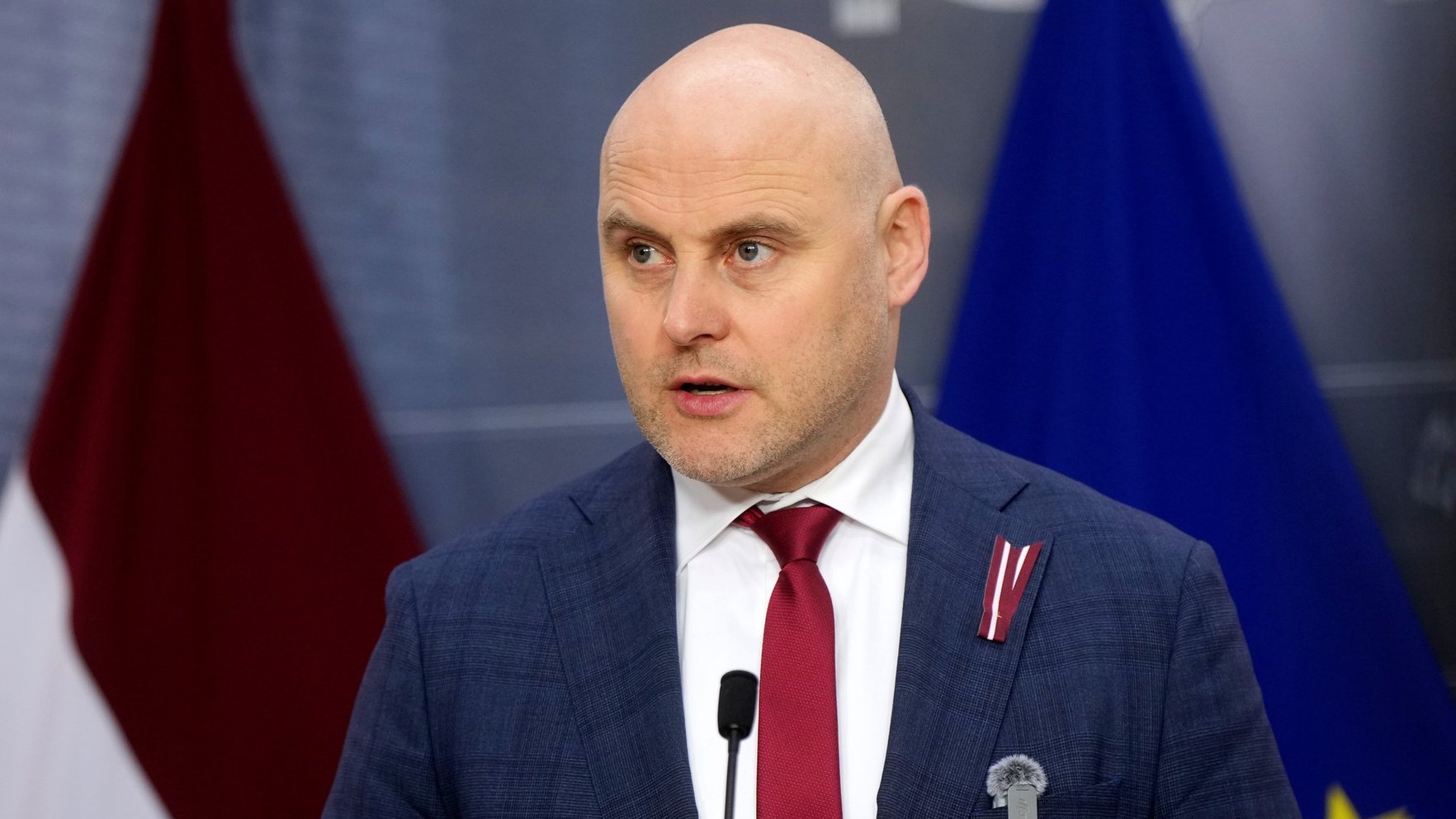
The declaration of Latvian Prime Minister Andris Kulbergs' government envisages adopting a document on de-russification to create a legal basis for restricting Russian in public spaces. The declaration does not explain what the restrictions will be.
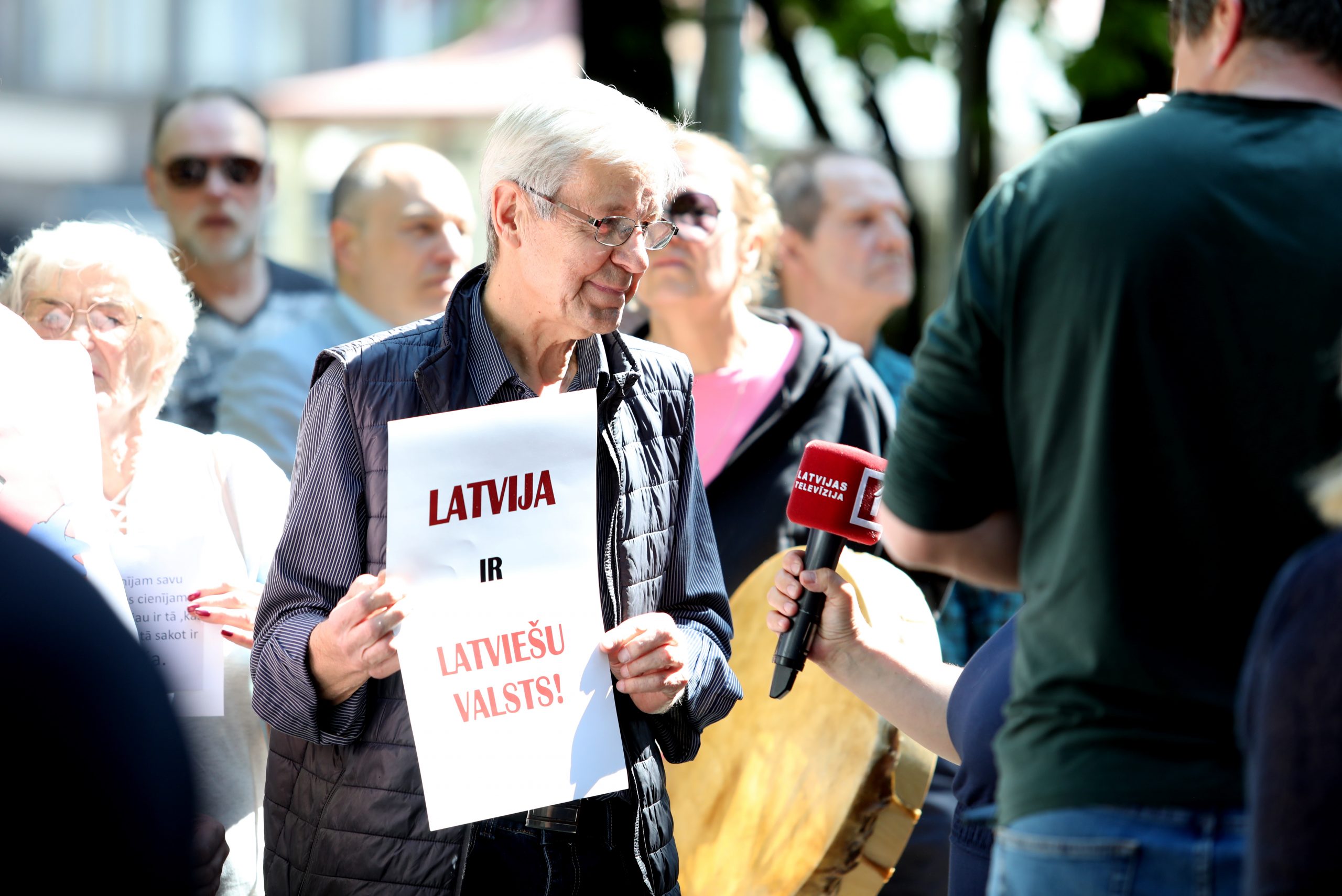
Latvia's new government, led by Prime Minister Andris Kulbergs of the United List, has pledged to create a legal basis for restricting the Russian language in public spaces. This follows from the Cabinet's declaration on the government's work during the term of the 15th Saeima, reported on 19 November. The document sets out the government's priorities, so the pledge indicates the intended direction of language policy.
The work plan includes an item on adopting a "declaration on de-russification". It is meant to consolidate the recommendations of academics, historians and sociolinguists and to build a legal basis for strengthening Latvian as the sole state language. The section on language, media and culture does not detail which restrictions on Russian the government intends to introduce or how they would be legally anchored.
Language and media
The government has committed to strengthening the use of Latvian in the public and information space as well as in the workplace. The State Language Centre is to become an independent institution, with greater capacity and neutrality.
In the media sphere, state support is promised to national, regional and diaspora media that produce content only in Latvian. The declaration says the aim of this support is to ensure quality, analytical and diverse content. For public media, the government has pledged to support its political neutrality, diversity of views and the role of the state language, as well as its continuity of operation in crisis situations and its alignment with the national security situation.
Culture
In the cultural sector, the government plans to gradually bring pay closer to the Baltic average and reach the average pay level of the public sector, but no specific deadlines are set. It also promises to support the Sacral Heritage Preservation Programme and the song festival movement, and to include culture as part of national security in the "Latvia 2050" strategy and the National Development Plan for 2028–2034.
Approval of the government
On Tuesday the Saeima, Latvia's parliament, approved the Kulbergs government with 57 votes in favour and 34 against. The coalition consists of the United List and the National Alliance. Alongside ministers delegated by parties, several non-partisan sector experts will also serve.