Kulbergs in Brussels: Latvian farmers have received the lowest EU area payments for 20 years
Prime Minister Andris Kulbergs told an extraordinary European Council meeting in Brussels that the EU budget proposal for 2028–2034 has dropped compensation for Latvian farmers, who have received the lowest area-based payments in Europe for two decades.
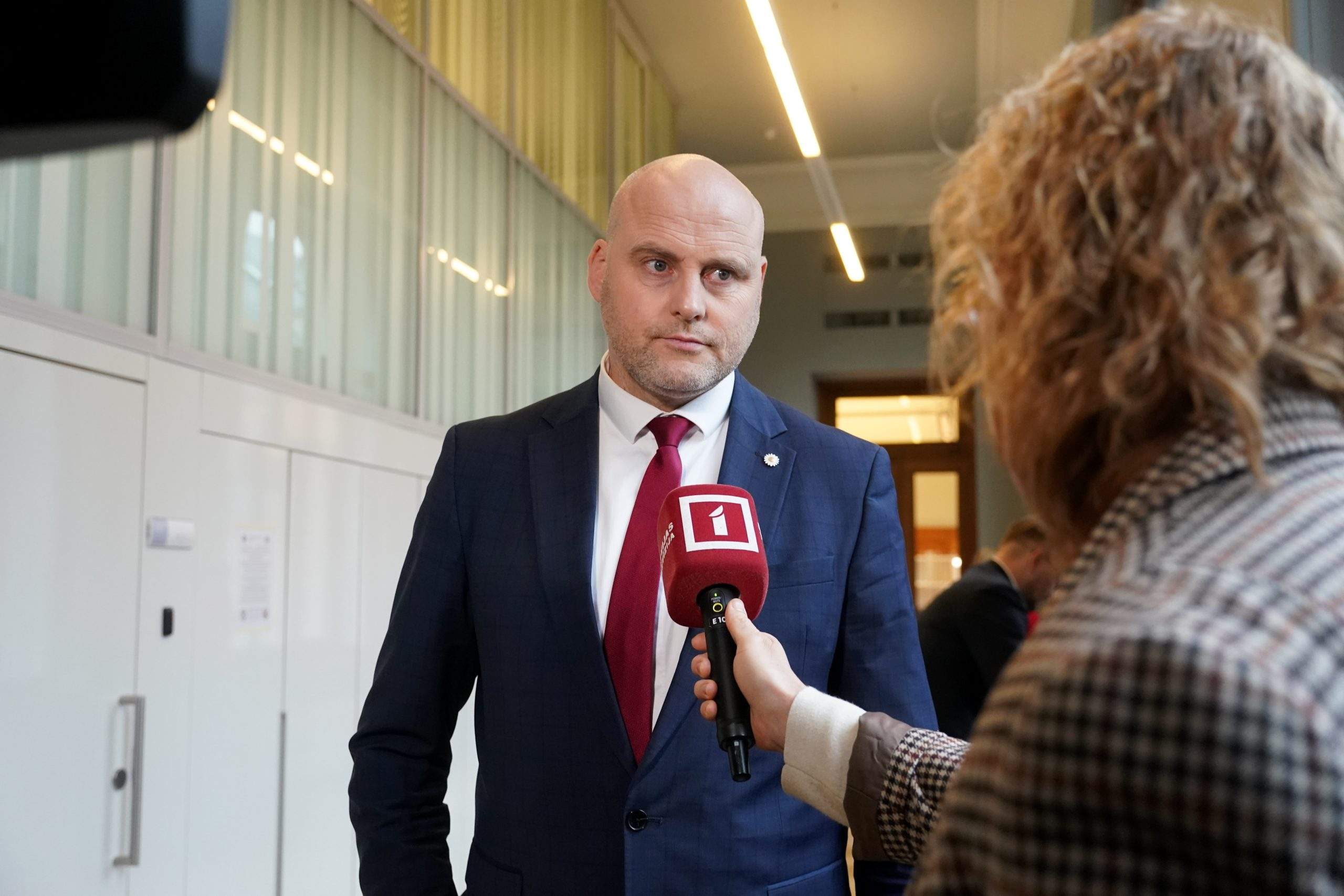
Latvian Prime Minister Andris Kulbergs (AS) told journalists in Brussels on 26 November, on arriving at an extraordinary European Council meeting, that Latvian farmers have received the lowest area-based payments in the European Union for 20 years. He said the current proposal for the EU's multiannual budget again leaves out any reduction of this inequality. At the meeting, EU leaders are discussing the budget for 2028–2034.
According to the prime minister, Latvia came to the European Council to defend core EU values — reducing inequality and promoting free trade — but the budget proposal creates serious problems in exactly this area.
Compensation dropped from formulas
Kulbergs recalled that it had previously been acknowledged at EU level that Latvian farmers receive the least support in Europe, and that this had been factored into formulas worth several billion euros. In drafting the new budget, he said, this compensation has disappeared. "We are told: yes, you are equal, but in the end we do not receive it, and that is the problem," he said.
Free trade and security
In his assessment, the situation also distorts free trade: Latvian shops carry products from member states whose farmers receive the most EU support, while Latvian farm produce is not visible on the European market. He argued this runs counter to the principles of free trade.
Kulbergs stressed that support is also needed because Latvia guards the EU's eastern border and directs the largest share of its funds to security and defence, while facing economic pressure due to its proximity to an aggressor state.
He noted that during the Covid-19 pandemic and the migration crisis, EU solidarity worked and countries that needed it most received greater support. Now, in his view, it is the turn of the eastern flank, the Baltic states, to receive support so they can strengthen their economies and afford to channel resources into defence.


