Kulbergs in Brussels demands extra seven billion euros for Latvia in EU budget
Latvian Prime Minister Andris Kulbergs is seeking an additional seven billion euros from the EU's 2028–2034 budget at an extraordinary European Council meeting in Brussels. Commentary author Bens Latkovskis believes the sum is almost certain not to be granted, but that the demand can serve as a bargaining tool.
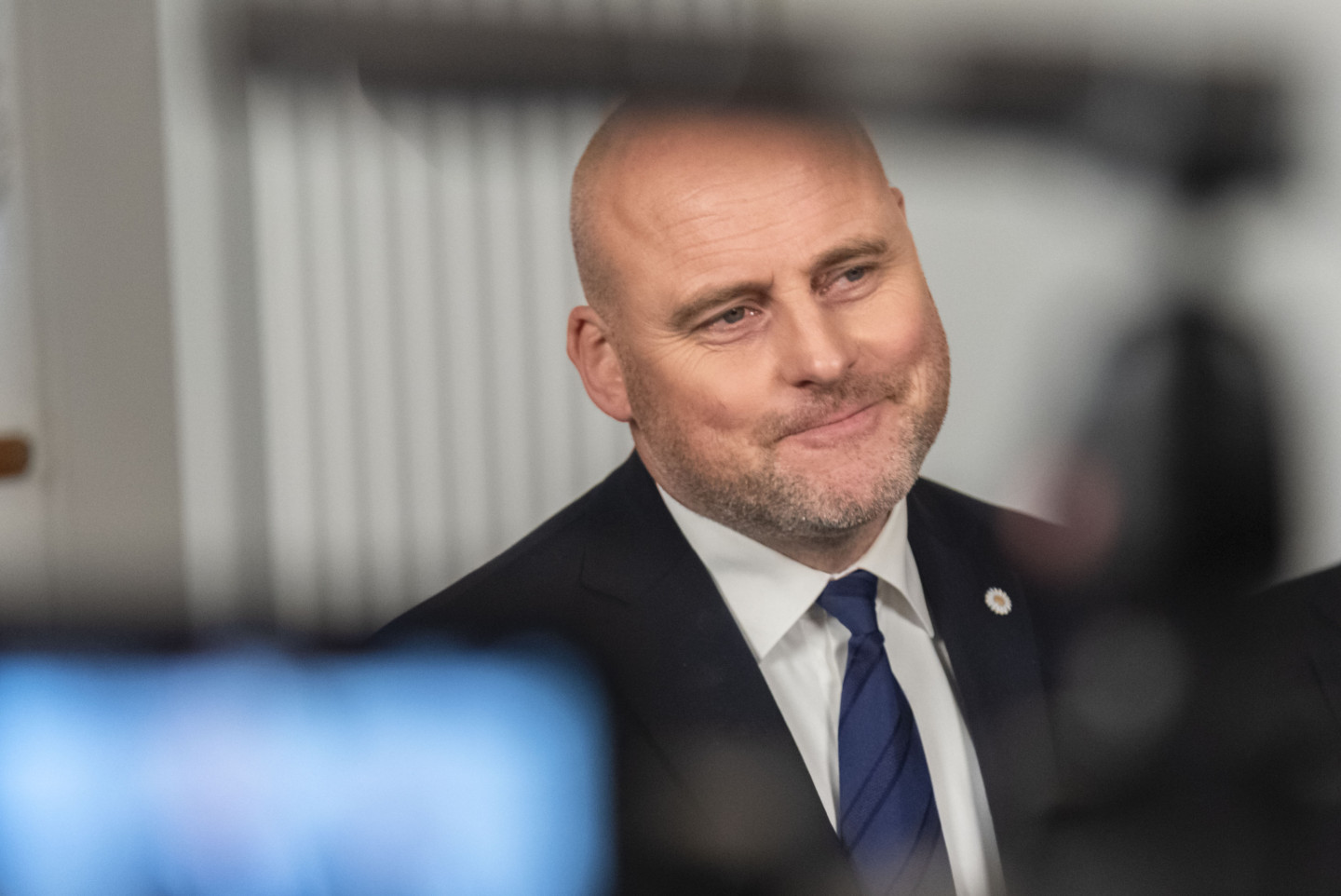
An extraordinary meeting of the European Council, which brings together the heads of government of EU member states, is taking place in Brussels today and tomorrow to discuss the European Union's multiannual budget for 2028–2034. Latvian Prime Minister Andris Kulbergs has travelled there aiming to secure an extra seven billion euros on top of the 9.3 billion euros already planned for Latvia. Commentary author Bens Latkovskis assesses that a final agreement is unlikely to be reached this time.
Why Latvia wants more
European Council President Antonio Costa has proposed cutting the EU multiannual budget by 10% from the planned level, reducing member state contributions accordingly. These contributions are just over 1% of member states' gross domestic product, but over seven years they amount to 1.58 trillion euros. Latvia opposes the cut and demands additional funding.
Kulbergs justifies the demand with European Commission calculations: in countries bordering Russia, inflation since the start of the war has been 3.7 percentage points higher than the EU average, while GDP growth has been 1.9 percentage points lower than forecast. Over seven years, Latvia's economic losses are estimated at 7.43 billion euros. Latvia's position is backed by Lithuania, Estonia, Finland, Poland and Romania, which together are asking for 54 billion euros.
The new budget model
As Latkovskis points out, the new model will no longer separate cohesion, agriculture, internal and social policy funding, but will put all money into one common envelope distributed by national governments. This would allow funds to be reallocated more freely, but would sharpen domestic disputes over the split. The author considers redirecting Rail Baltica funds only a theoretical option, since the project is on the list of strategic European transport corridors and halting it would require the agreement of all member states.
Kulbergs' prospects
Latkovskis notes that Kulbergs' party does not belong to the EU's governing coalition, formed by the People's Party, Social Democrat and liberal political groups, which may reduce his influence. At the same time, strong support at home and his direct manner of speaking could, in the author's view, help in tough negotiations. The European Council has in effect agreed to designate the EU's eastern flank as a special conditions zone, but is in no hurry to approve the extra funding.