Latvia's PM Kulbergs: EU sanctions dispute should have been handled without isolating Latvia
Prime Minister Andris Kulbergs said Latvia was left alone opposing the removal of two Russian oligarchs from the EU sanctions list, but the standoff ultimately yielded a positive outcome as France pledged to strengthen Latvia's defenses.
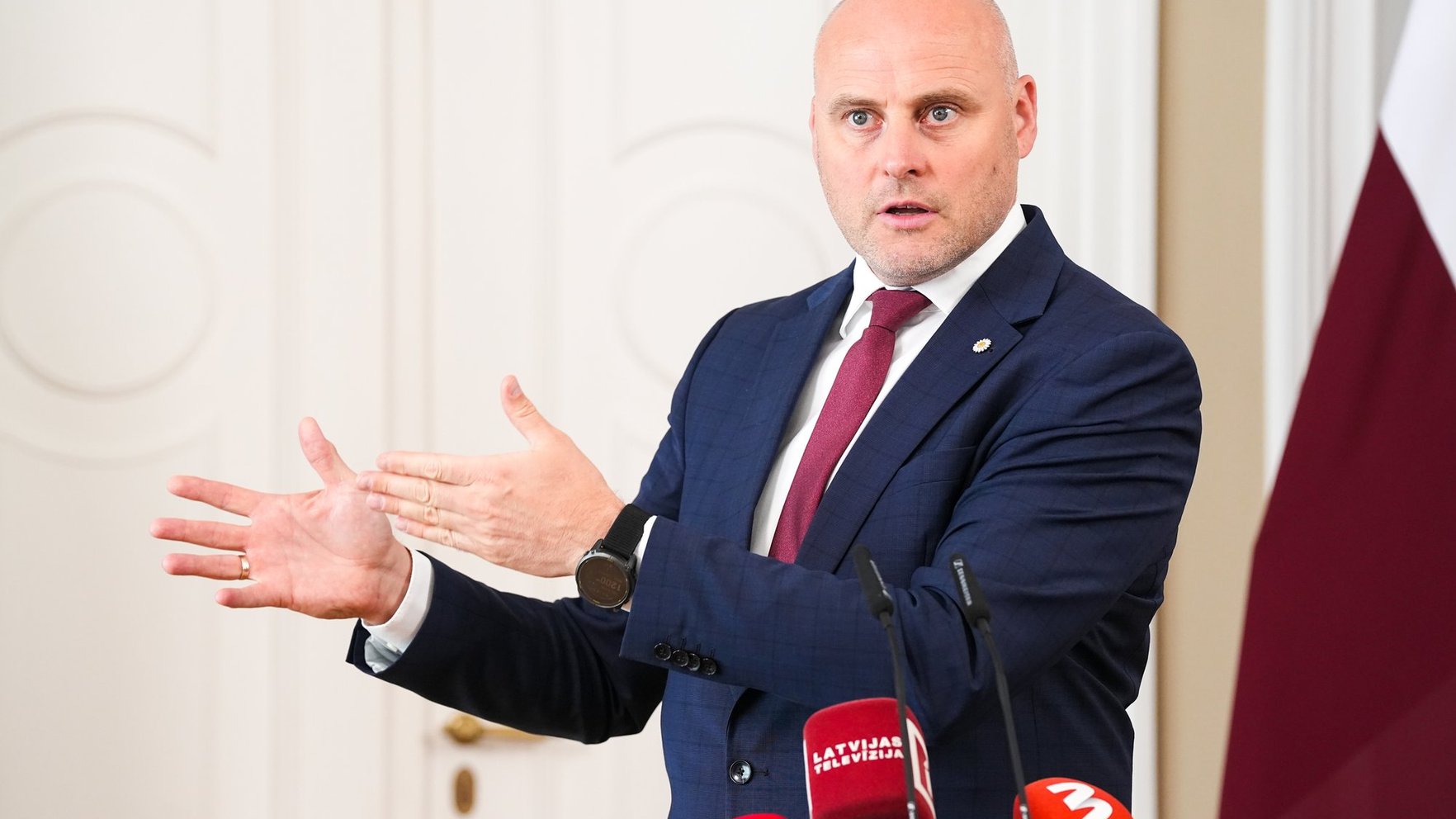
Latvian Prime Minister Andris Kulbergs said on TV3's "900 sekundes" that the European Union's sanctions dispute should have been managed so Latvia would not end up as the sole holdout, stressing that the Baltic states should have taken a unified stance.
According to Kulbergs, all other EU member states had already agreed to remove Alisher Usmanov and Mikhail Fridman from the sanctions list, leaving Latvia as the only country still opposed. He said he was surprised to learn that Lithuania and Estonia had already accepted the delisting. The premier described the choice as being between two bad options and expressed frustration that Latvia's own interests never seemed to be genuinely on the table during the negotiations.
Foreign Ministry's role questioned
Asked whether the Foreign Ministry had failed to act, Kulbergs reiterated that the ministry should have coordinated Latvia's position early enough to avoid the country being forced to single-handedly decide the fate of sanctions covering thousands of individuals. Latvia initially held firm in its objection but ultimately chose to abstain, clearing the way for EU states to extend sanctions against thousands of Russian individuals and entities for three years while removing the two oligarchs from the list.
The Latvian government subsequently imposed its own national financial and entry restrictions on both men. Kulbergs stressed that Latvia's position has not fundamentally changed — the two, in his view, still do not belong outside the sanctions regime.
Talks with France and Ukraine
The prime minister said he had been in intensive contact with several European leaders over the past day, including French President Emmanuel Macron, and had also spoken with Ukrainian President Volodymyr Zelensky and other Ukrainian officials, who he said understood Latvia's position. The talks with France produced tangible progress: Macron agreed to open negotiations on Latvia joining France's nuclear deterrence initiative, with a French delegation expected to visit Latvia soon. Macron also pledged to reinforce France's military presence in Latvia, particularly in air defense.
Kulbergs noted the issue arrived unexpectedly after a call from Ireland's prime minister, even though sanctions policy falls directly under the responsibility of Foreign Minister Baiba Braže, who is currently on a visit to New York.


/nginx/o/2026/09/23/17932395t1hbc80.jpg)