Kulbergs: Rail Baltica decisions must be made jointly with Lithuania and Estonia
Prime ministerial candidate Andris Kulbergs said in a pre-election debate that an independent consultant's report on Rail Baltica is now ready, outlining three possible scenarios, and stressed that Baltic states must decide on the project's future together.
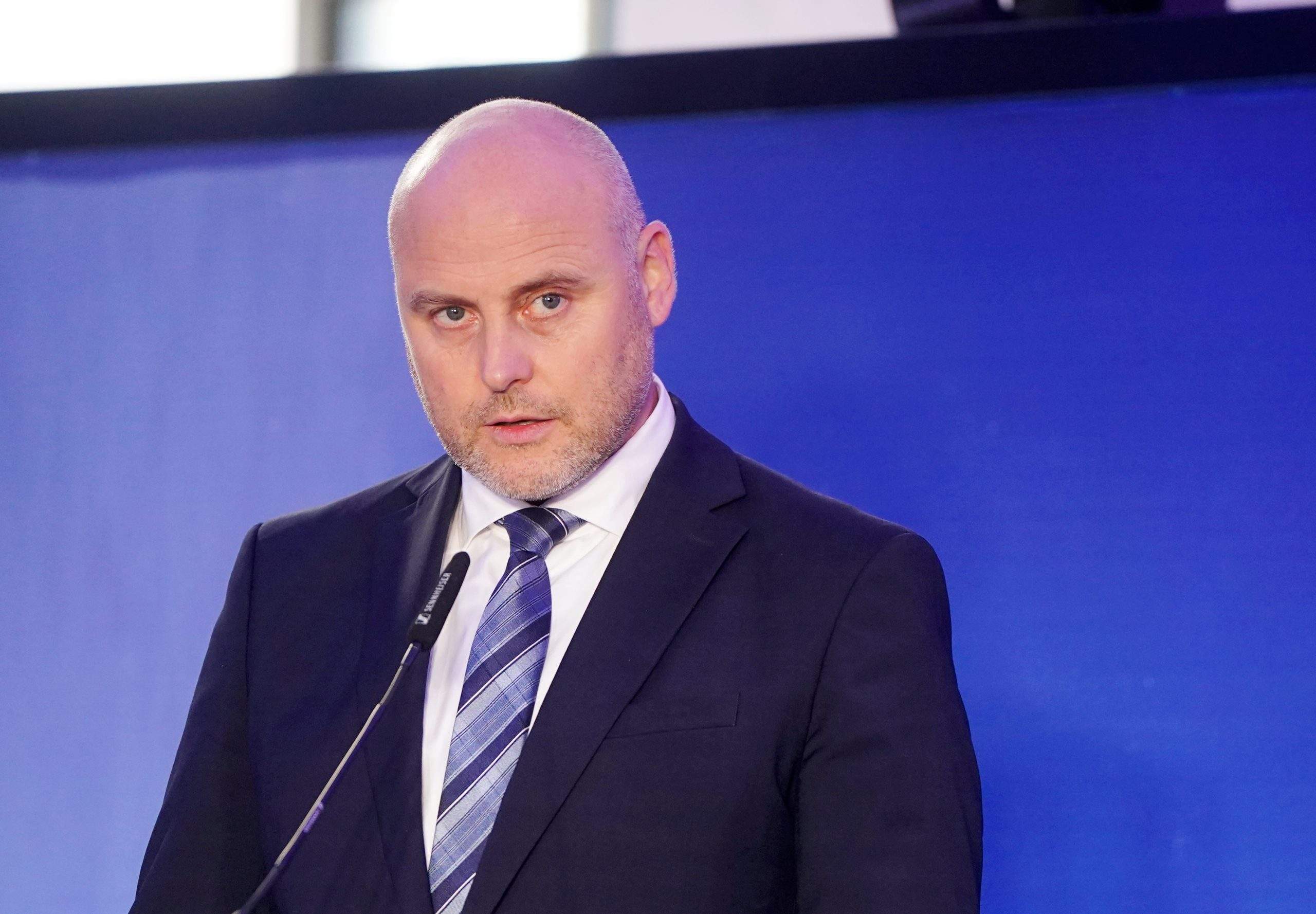
During the TV24 pre-election debate program "Let's Talk Openly," Andris Kulbergs, the prime ministerial candidate for the United List, discussed the situation surrounding the Rail Baltica railway project and the need to review its requirements in light of the European Union's next multiannual budget.
Kulbergs said an independent external consultant's report on Rail Baltica has now been completed, commissioned by Transport Minister Kaspars Briškens. The report identifies past mistakes in the project's implementation and lays out three possible scenarios for how to proceed.
A joint Baltic position
The politician stressed that Latvia should not tackle this issue alone. He said he has already met with the prime ministers of Lithuania and Estonia and agreed to form a joint Baltic position on the project, as well as on the upcoming negotiations over the EU's next multiannual budget.
Ways to cut costs
Kulbergs believes that fully implementing the project using national budgets alone would cost billions of euros, meaning the Baltic states need greater EU-level funding. At the same time, he called for exploring ways to reduce infrastructure costs by revising technical requirements.
He mentioned four technical proposals under consideration: reducing speed requirements, lowering other technical standards, changing the embankment structure, and revising axle load requirements. According to him, these changes combined could save billions of euros while still maintaining safety standards.
A difficult funding decision remains
Kulbergs acknowledged that minimum requirements have already been incorporated and that the Baltic states have agreed to address the issue jointly, but the key question — how much each country is willing to invest from its own budget — remains open. He emphasized that abandoning the project altogether is not an acceptable option, so funding must be found to continue it.