PM Kulbergs links low voter turnout to government infighting
Prime Minister Andris Kulbergs says internal government disputes and slow progress on reforms discouraged some citizens from voting. He pledges a firmer approach with fewer compromises going forward.

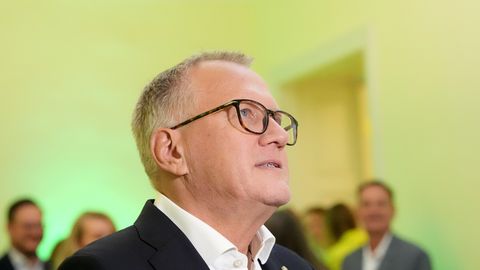
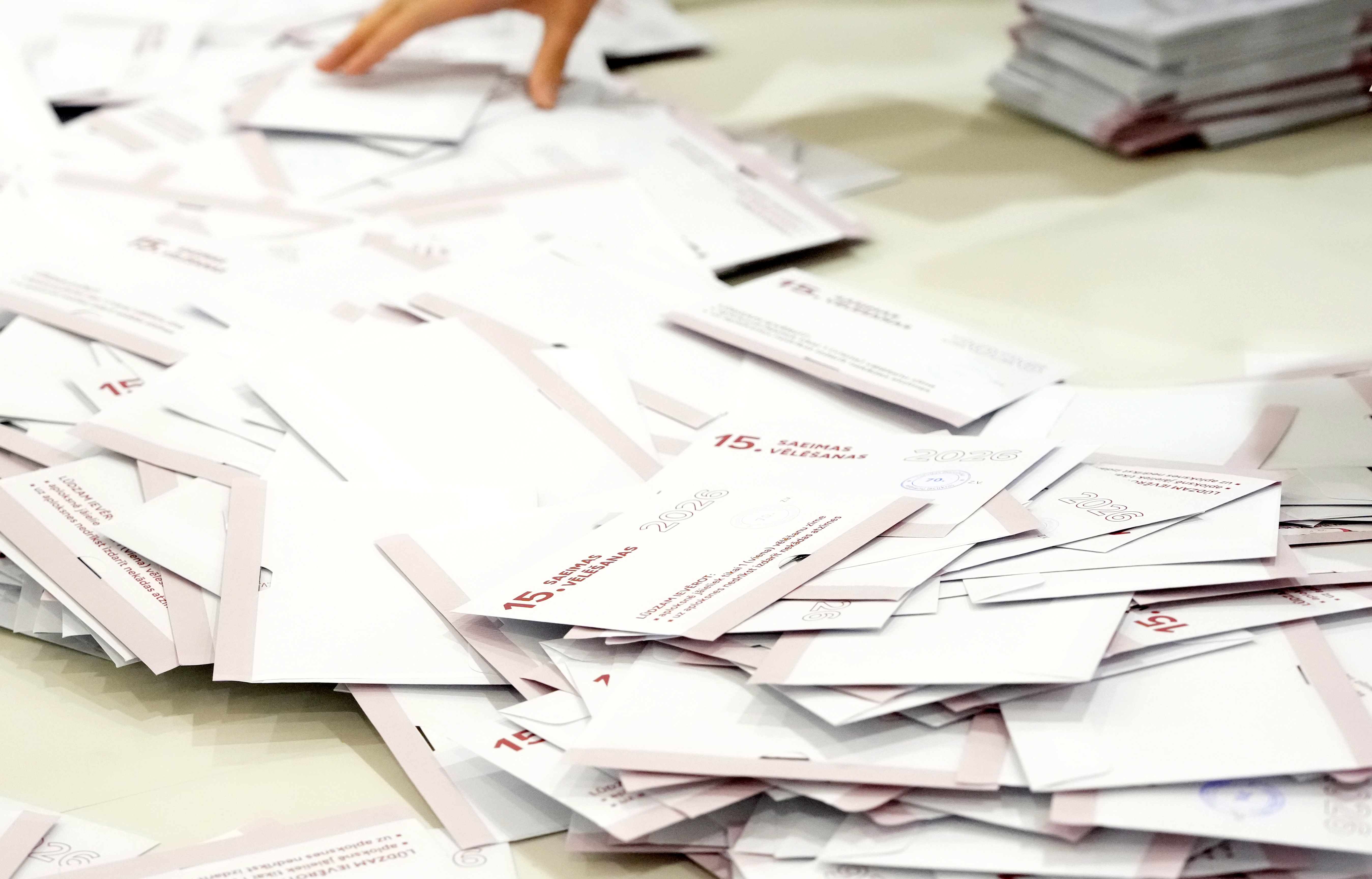
Prime Minister Andris Kulbergs of the Apvienotais saraksts (United List) party has openly connected the recently observed low voter turnout to disputes within his own government. According to his assessment, a portion of the population chose to stay away from the polls precisely because they witnessed ongoing friction between coalition partners and the slow pace at which promised changes were being implemented.
Fewer compromises ahead
Kulbergs indicated that the incoming government will no longer accommodate the kind of extensive compromises that characterized the previous period. The prime minister expressed determination to pursue a firmer, more consistent political course, with less willingness to deviate from original positions during negotiations with coalition partners.
Tighter oversight of coalition partners
One point the prime minister emphasized is closer supervision of the parties within the governing coalition. Kulbergs pledged that stricter control would be maintained going forward, aiming to prevent a repeat of situations where, in the final weeks before a change of government, decisions are made that amount to politically convenient "gifts" for particular groups or interests.
The prime minister's remarks suggest the government itself acknowledges a link between internal conflict and the public's diminished interest in political processes, while also signaling an intent to operate more transparently and purposefully in the period ahead.