Kurds in the Middle East: 2026 Brings Major Setbacks for Political Hopes
Kurdish self-rule in Syria has ended, Iraq's Kurdish parties remain divided under pressure from Baghdad, and Turkey's peace process with the PKK is incomplete. Experts see little prospect of wider political or cultural rights.
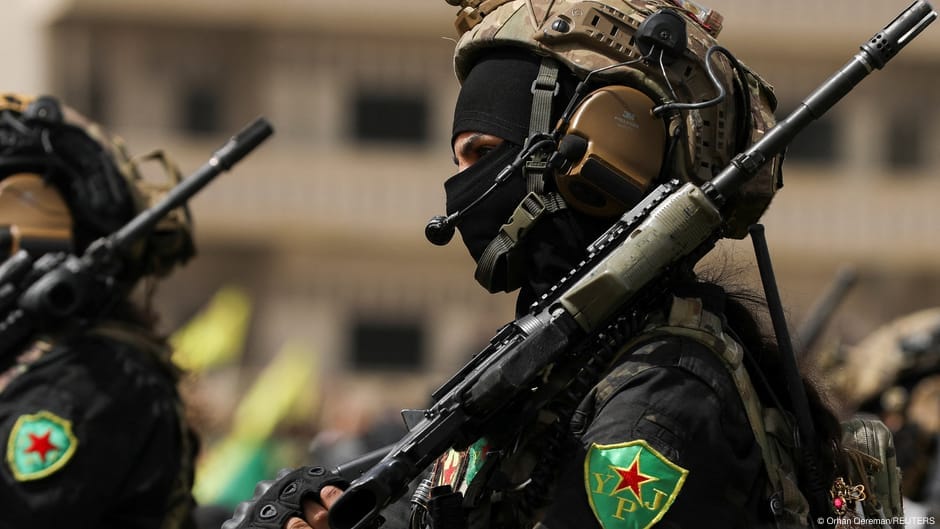
The year 2026 has been a difficult one for Kurds across the Middle East. In Syria, the de facto Kurdish self-rule that emerged in 2012 during the civil war has ended. In Iraq, the Kurdish autonomous region is weakened by internal rivalry and pressure from Baghdad. In Turkey, decades of conflict with the Kurdistan Workers' Party (PKK) have not yet been fully resolved, and broader rights remain out of reach. The situation is described in an analysis by German broadcaster Deutsche Welle.
Syria: the end of self-rule
In January, the new leadership in Damascus took control of large parts of the northeast. Under a January 18 agreement, the Kurdish-led Syrian Democratic Forces (SDF) were to hand over territory and key infrastructure to the central government, while their fighters were to be integrated into the national armed forces. The deal was signed by SDF leader Mazloum Abdi. The United States, which had backed the SDF for years in the fight against the Islamic State group, began aligning itself with the government in Damascus.
Dastan Jasim of the German Institute for Global and Area Studies (GIGA) in Hamburg said this showed the limits of Kurdish alliance politics: Western alliances with the Kurds, she said, are alliances of convenience that rarely carry political consequences. Thomas Schmidinger, a political scientist at the University of Vienna, suggested that experience in education, women's organizations and local structures could remain relevant at the grassroots level.
Iraq: autonomy without a common policy
In northern Iraq, where Kurdish autonomy is guaranteed by the constitution, there is still no regional government two years after elections. The main cause is the rivalry between the Kurdistan Democratic Party (KDP) and the Patriotic Union of Kurdistan (PUK). An October analysis by the British think tank Chatham House warned of an irreversible decline in the structures of Kurdish self-governance.
On Tuesday, November 24, Iraq's central government ordered the region's border crossings and several oil fields previously controlled by the Kurds to be placed under its control without prior notice. Kurdistan Regional Government Prime Minister Masrour Barzani called the move unacceptable.
Turkey and Iran
The PKK announced in May 2025 that it would dissolve and end its armed struggle, yet Turkey, the United States and the European Union still classify it as a terrorist organization. Experts note that the process focuses on disarmament and amnesty while the political roots of the conflict are barely addressed. In Iran, political autonomy currently appears virtually inconceivable.