Kushner: Talks Have Produced Ideas That Could Lead to a Breakthrough
Jared Kushner, a special envoy and son-in-law of US President Donald Trump, said several new ideas have emerged while preparing the next round of three-way talks on the war in Ukraine that could bring a breakthrough or grow into new proposals.
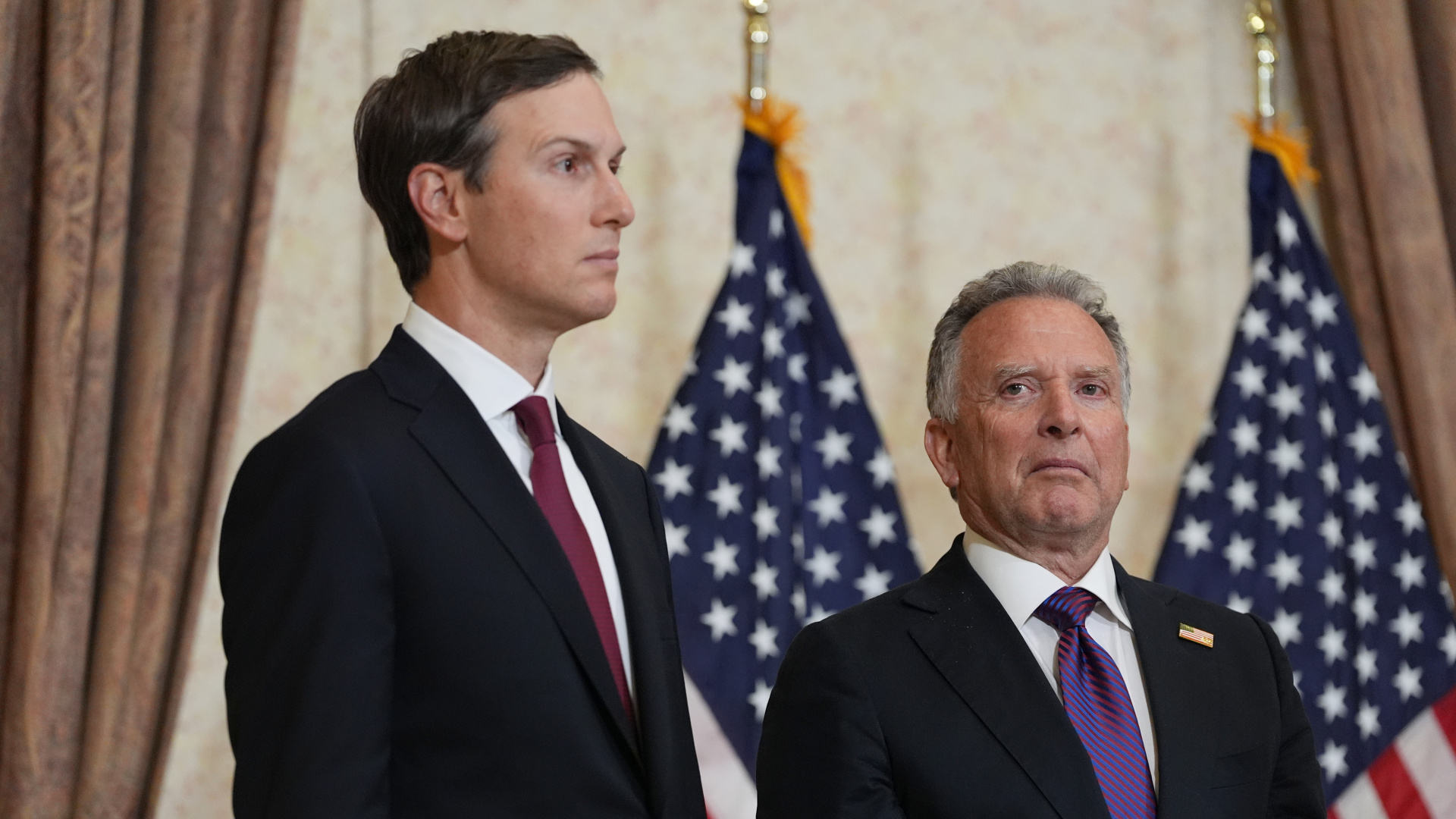
Jared Kushner, a special envoy and son-in-law of US President Donald Trump, said on the social network X that several new ideas have emerged as preparations continue for the next round of three-way talks on ending the war in Ukraine. According to him, some could lead directly to a breakthrough, while others could develop into proposals that help bridge existing differences.
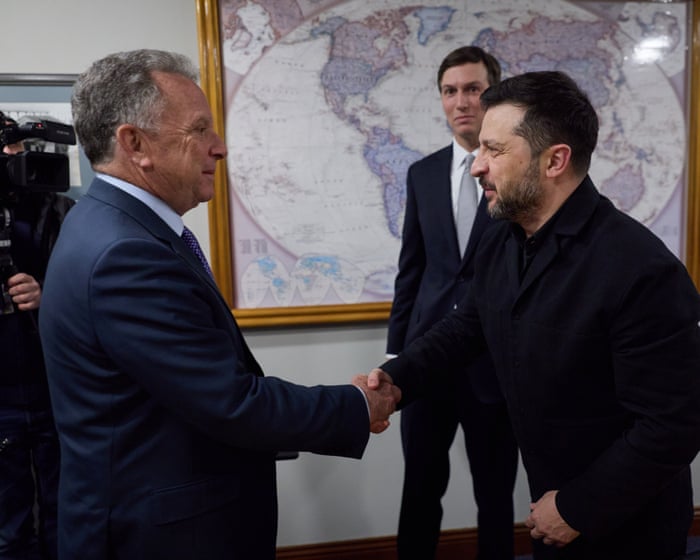
Kushner said that he and Trump's envoy Steve Witkoff, following the trilateral meetings and discussions with Russian President Vladimir Putin and Ukrainian President Volodymyr Zelensky, are continuing close consultations with Russia, Ukraine and European partners. The current focus is on facilitating direct dialogue between Moscow and European partners and on preparing the agenda for the next round.
He acknowledged that the media have reported some maximalist positions put forward by both sides, as well as sharp political rhetoric. In private discussions, however, Kushner said both sides understand that practical compromises are needed to end the war.
Kushner also said Trump believes lasting peace requires reliable security guarantees for Ukraine and detailed, realistic post-war security arrangements that reduce the risk of a new war. In his words, NATO, the US-European military alliance, will remain the key pillar of European security, reinforced by improved mechanisms in the military sphere, communication, conflict prevention and mutual de-escalation. Any final deal must be agreed by the relevant parties, and Trump will back only arrangements that strengthen the security of Ukraine and Europe.
Background
According to The New York Times, during talks in Abu Dhabi Russia again demanded that NATO pull its forces back to the positions the alliance held in 1997. Russian representatives also cited the Cold War, when the continent was divided into US and Soviet spheres of influence, as a model for post-war Europe. Two NYT sources said the demands are Moscow's opening position and that Russian officials signalled Putin may be prepared to show some flexibility.
Media previously reported that the US asked Russia to submit a new proposal for a future security agreement with Europe, including steps by Russia aimed at easing tensions.