Lab Error Leads to 32 People on Antibiotics After Exposure to Mistakenly Identified Deadly Germ
A college lab class misidentified a harmless bacterium as deadly Neisseria meningitidis, resulting in 32 people taking prophylactic antibiotics and an overhaul of lab safety protocols.
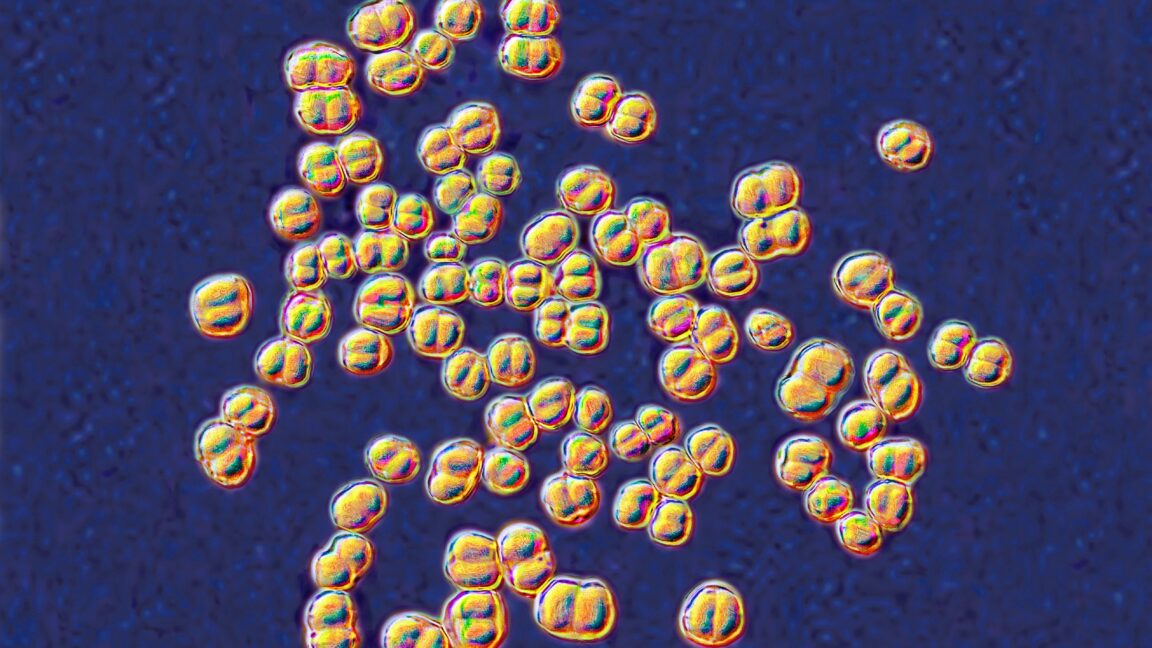
A laboratory mix-up at a US college led to 33 people being exposed to what was thought to be the deadly bacterium <i>Neisseria meningitidis.</i> All but one of the exposed individuals started a 10-day course of post-exposure prophylactic antibiotics, and two developed headaches and underwent spinal taps to rule out infection.
The incident began when a stockroom freezer containing <i>Plesiomonas shigelloides</i> also, inexplicably, held a vial labeled <i>N. meningitidis.</i> State health officials were called in and recommended antibiotics for all exposed. Fifteen of the 33 (45%) had received at least one meningococcal vaccine previously.
Subsequent testing by the state public health laboratory using mass spectrometry and whole-genome sequencing identified the bacterium as <i>N. sicca,.</i> — a nonpathogenic relative of <i>N. meningitidis.</i> The lab replicated the students' carbohydrate fermentation tests and found the isolate to be an atypical fermenter, leading to both the original misidentification and the false alarm.
A joint investigation by state and federal health officials revealed inventory control failures, inadequate labeling and storage, lack of supervision, insufficient use of personal protective equipment, and poor documentation. The findings prompted the college to overhaul its laboratory procedures and protocols.
While no one was harmed, the incident caused significant scare and unnecessary medical interventions.

