Weather extremes continue to disrupt Europe's arable farming
The European Commission reports that dryness in parts of Europe and excess moisture in the Baltic states and Finland are complicating winter crop sowing. EU yield forecasts remain below the five-year average for most crops.
The European Commission, the EU's executive body, says extreme weather is still hampering field work on arable farms across Europe. The problems affect both the closing stages of the 2026 harvest and the start of the new autumn and winter planting season.
Harvest and forecasts
The 2026 harvest is nearing its end, with field work well advanced in most of Europe. EU yield forecasts have changed relatively little since the end of September and are below the five-year average for most crops. In some regions they have been trimmed slightly further, as persistent unfavourable soil moisture cut yields and delayed harvesting.
Winter crop sowing
Conditions for sowing winter crops differ widely from place to place. Forecast rainfall across most of Europe could improve soil moisture and help winter crops establish, while drier weather expected in the Baltic states may ease waterlogging.
Very dry soil in France, southern Belgium, Luxembourg and southern Germany is hindering rapeseed emergence, leaving patchy crops in several areas. Winter cereal sowing is progressing more slowly in parts of France and the Benelux countries, whereas recent rain has improved sowing conditions in southern Germany. In eastern Germany and Poland, the main concern is the need for meaningful rainfall.
In northern Europe the problem is the opposite: heavy rain over recent weeks has waterlogged soils. In the Baltic states and Finland this has delayed winter crop sowing and in places prevented harvesting from being completed. In some Baltic regions sowing has stopped altogether. With the planting window about to close, the winter crop area is expected to shrink, and some fields will probably be sown with spring crops instead.
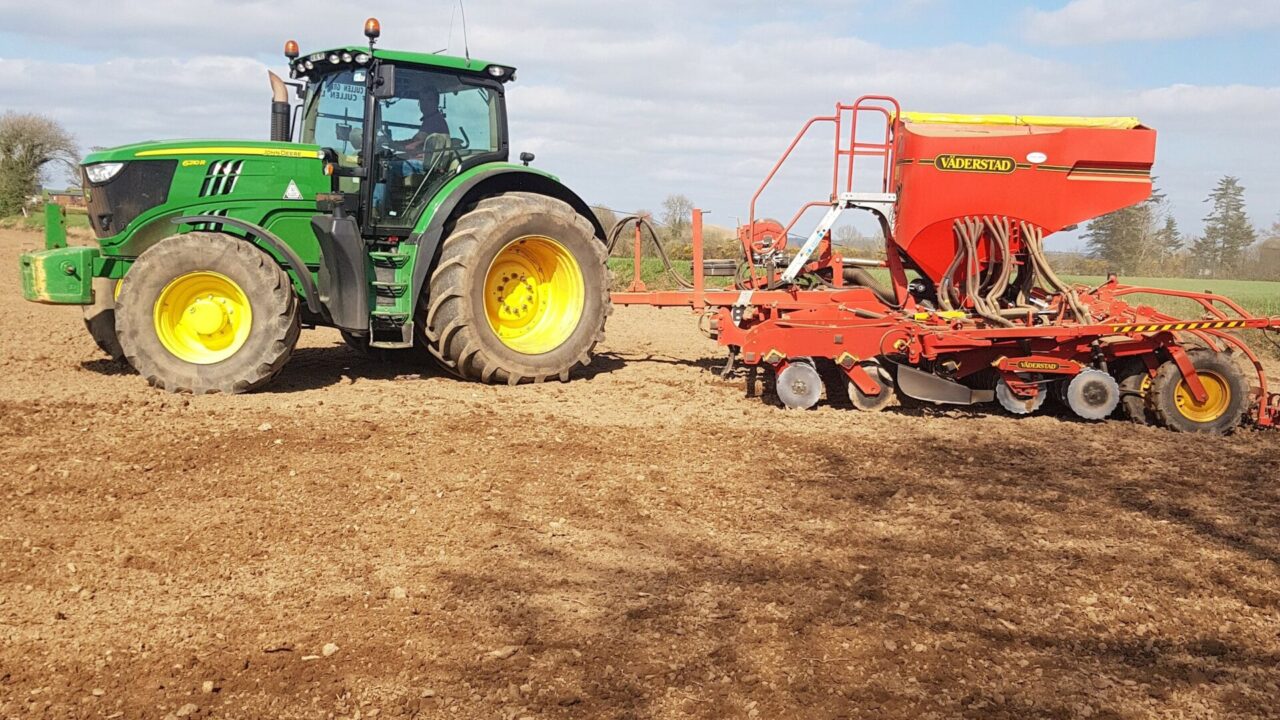
In Ireland, tillage farmers have had a far more favourable autumn, and winter oilseed rape and cereals are now well established.