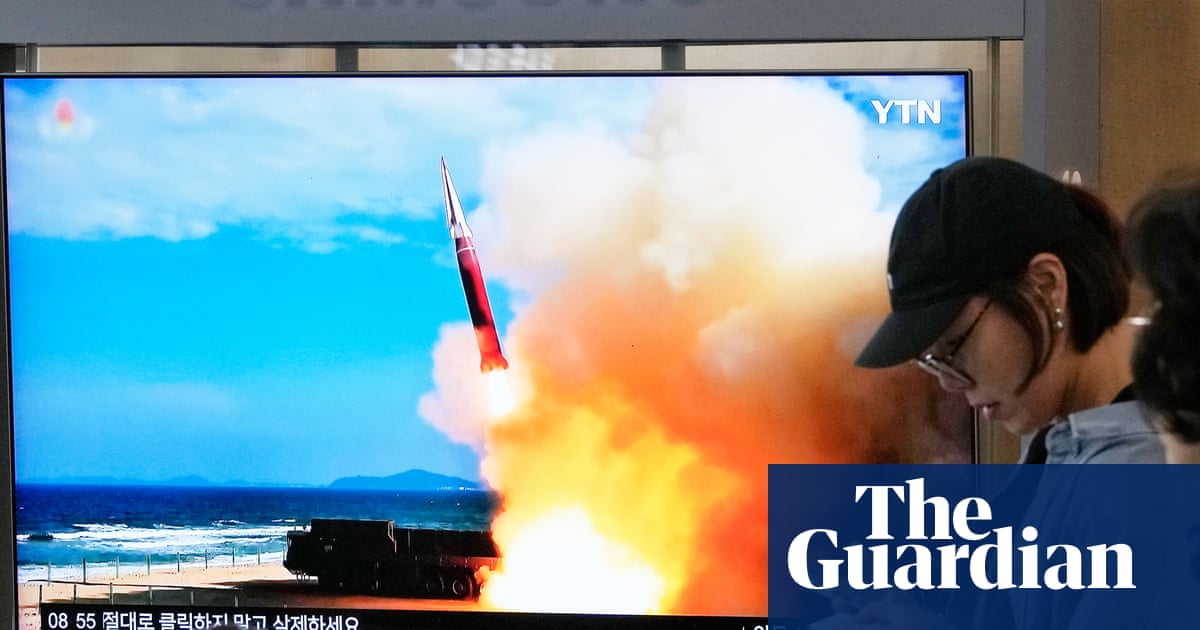
Latin America's right-leaning leaders warm up to Israel
Several Latin American governments, including Venezuela, Colombia and Bolivia, are restoring or strengthening ties with Israel, while Brazil and Mexico keep a more critical distance.
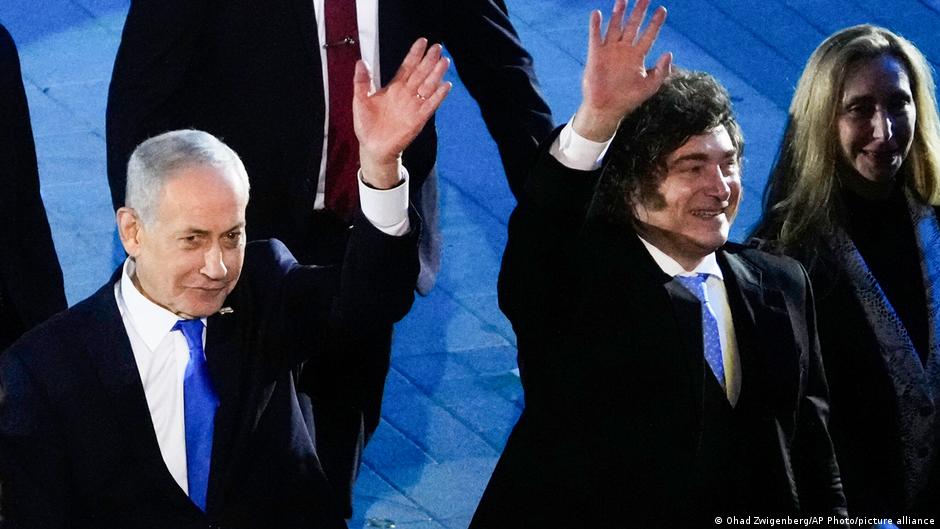
A number of Latin American countries are reversing decades of strained or severed relations with Israel, a shift analysts link to the rise of the radical right in the region and closer alignment with US foreign policy under President Donald Trump.
Venezuela, which cut ties with Israel in 2009 under President Hugo Chavez following a military offensive in Gaza, has now agreed to a mechanism for resuming consular services. The move is notable given that Venezuela's current government, which took power after US forces removed the previous president in January, still describes itself as rooted in socialist Chavismo.
In Colombia, new President Abelardo de la Espriella has reversed his predecessor Gustavo Petro's decision to sever relations with Israel, taken in protest of the latest Gaza war, in which more than 70,000 people have died. De la Espriella has announced plans to move Colombia's embassy to Jerusalem and has backed Israeli sovereignty over the Golan Heights, territory widely recognized internationally as occupied Syrian land.
Bolivia's new conservative president, Rodrigo Paz, quickly restored relations with Israel after taking office in 2025, reversing a break made by the previous socialist government following a 2023 bombing of a displaced-persons camp in Gaza. In Chile, national conservative President Jose Antonio Kast is seeking to revive defense cooperation with Israel, a sharp contrast to predecessor Gabriel Boric's criticism of the Netanyahu government.
Analysts including Isaac Caro of Alberto Hurtado University in Chile and Daniel Wajner of the Hebrew University of Jerusalem say the trend reflects authoritarian-leaning governments seeking to align with Trump's foreign policy, alongside ideological and strategic motivations tied to a broader Judeo-Christian, Western-oriented discourse. Argentina's Javier Milei has made close ties with Israel central to his political identity, following earlier examples set by Brazil's Jair Bolsonaro and El Salvador's Nayib Bukele.
Not all major regional players are following suit. Brazil, under President Luiz Inacio Lula da Silva, remains sharply critical of Israeli actions in Gaza and the West Bank, giving it outsized influence as a counterweight given its size and clout. Mexico, under President Claudia Sheinbaum, has taken a more balanced approach, criticizing Israeli actions while maintaining diplomatic relations.