Latvia to tighten controls on grain shipments of Russian origin
The Latvian government has approved amendments allowing the Food and Veterinary Service to inspect grain shipments even when they are not intended for the EU market. The new rules target possible grain imports from Ukraine's occupied territories mislabeled as coming from elsewhere.
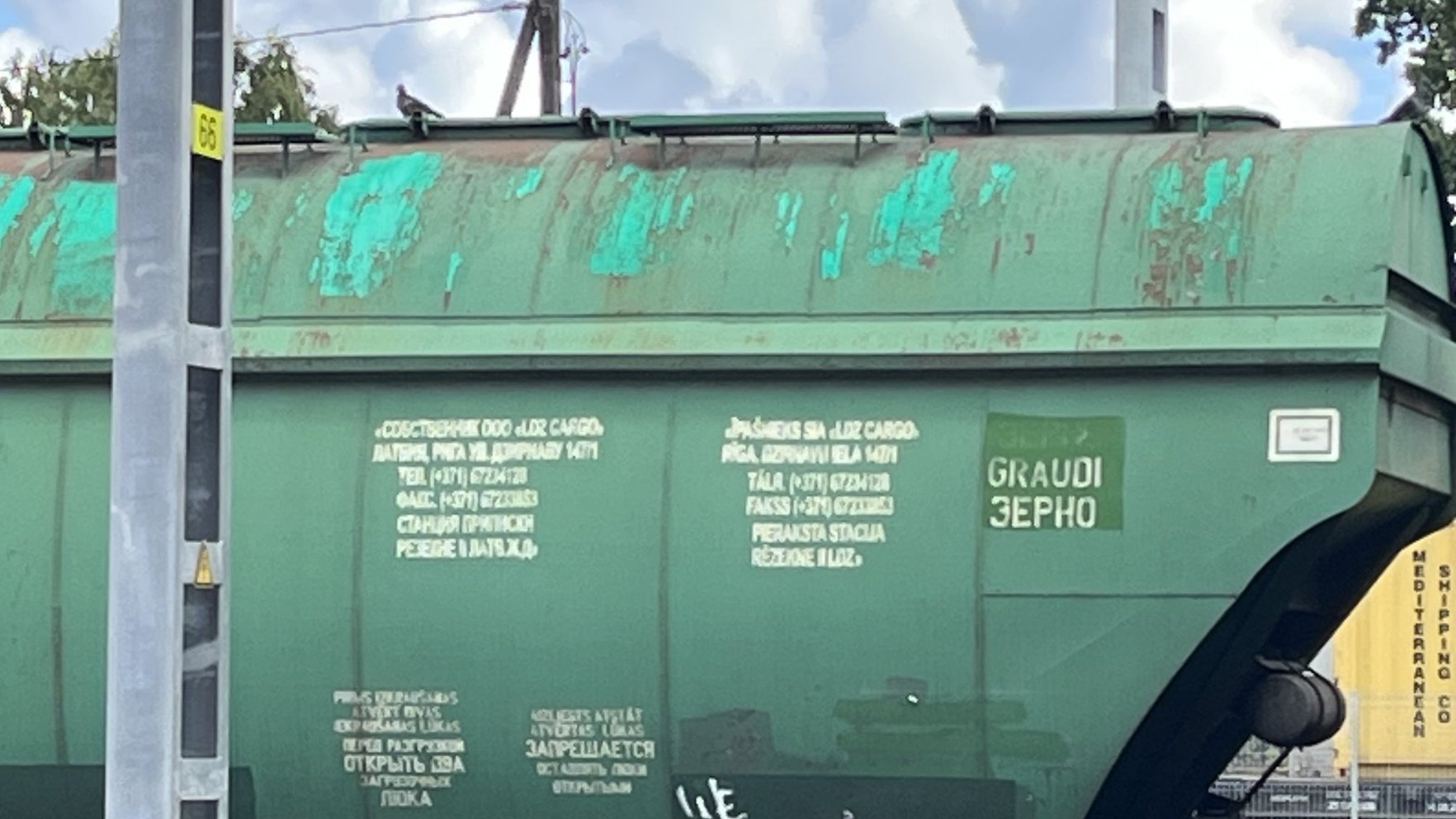
Latvia's Cabinet of Ministers has adopted amendments to two sets of regulations: one governing requirements and border-control procedures for food imported from third countries that is not currently subject to official border checks, and another regulating payments for supervision and control activities carried out by the Food and Veterinary Service (PVD).
Checks extended beyond EU-bound shipments
Until now, PVD's border controls mainly applied to food products entering the European Union's internal market. Under the new rules, the service will also be authorized to inspect grain shipments that merely transit through Latvia without being distributed within the EU. Particular attention will be paid to cases where there is suspicion that grain's true origin is not the country stated in accompanying documents, but rather Ukraine's temporarily occupied territories.
Sampling and laboratory testing
When PVD has doubts about a shipment's real origin, it will be entitled to take grain samples and send them for laboratory analysis. Test results will either confirm or refute the country or place of origin declared in the accompanying documentation.
Advance payment for inspections
The amendments also introduce the possibility for PVD to require advance payment from responsible parties for border control and laboratory testing of such cargo. This means costs for additional inspections can now be collected before the service is provided rather than afterward.
/nginx/o/2026/03/30/17535721t1h129e.jpg)

