Latvia plans to send up to 20 troops to Strait of Hormuz operations
Latvia's Defence Ministry has prepared a draft Saeima decision allowing up to 20 soldiers to join multinational operations in the Strait of Hormuz. The contingent would focus solely on mine clearance and coordination.
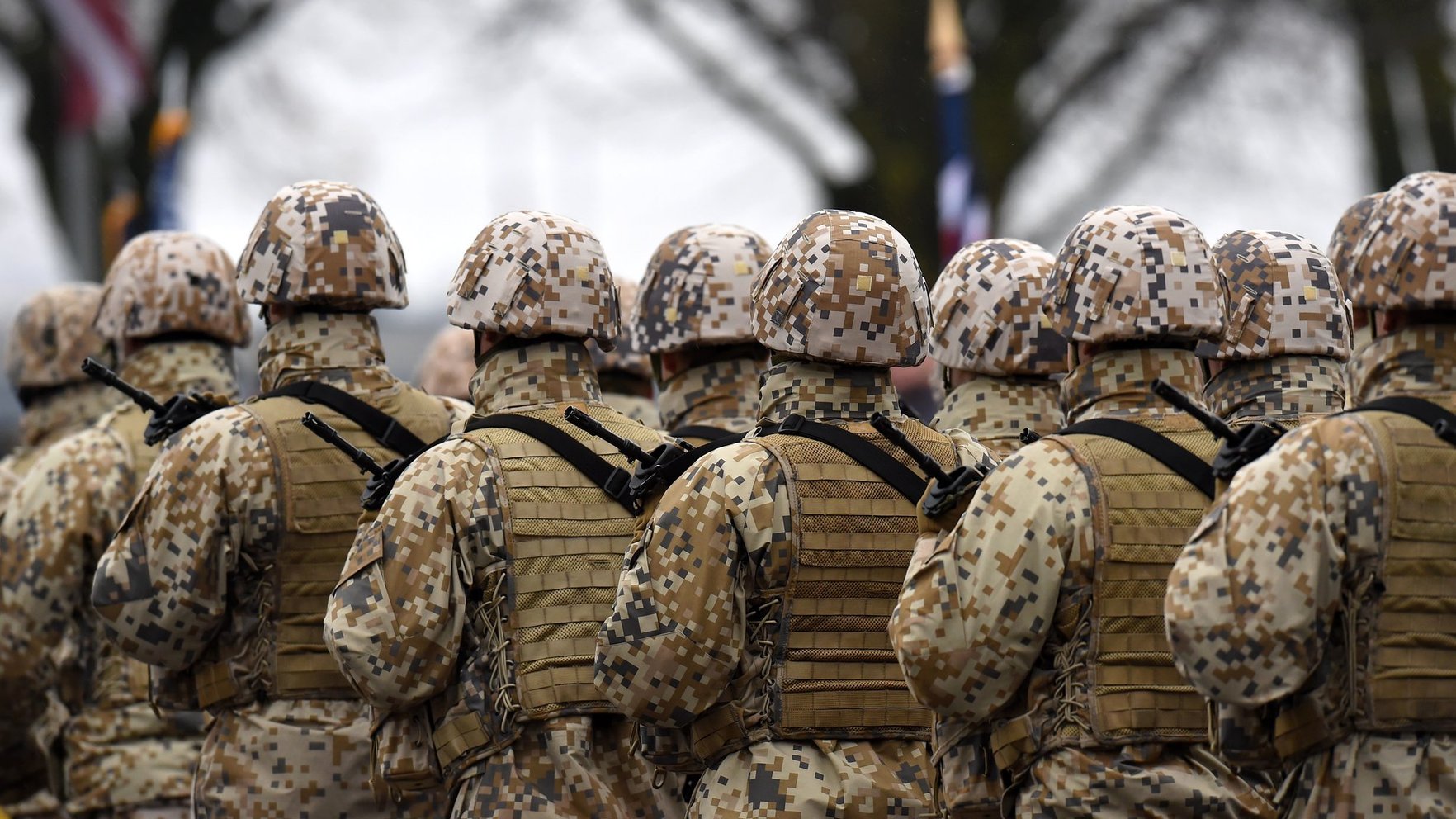
The Latvian Defence Ministry has prepared a draft decision for the Saeima on participation of National Armed Forces (NBS) soldiers in multinational military operations in the Strait of Hormuz. According to the document, Latvia could send no more than 20 troops to the region.
The planned contribution includes the Naval Forces' underwater explosive ordnance disposal unit with autonomous mine clearance system capabilities, operating as part of a larger diving team in mine-clearing missions. In addition, NBS staff officers and instructors would be sent to operational or tactical headquarters located both in coalition lead nations and in the operational area.
The Latvian contingent would be involved only in counter-mine operations, coordination of strait mine clearance, and broader activities aimed at ensuring unhindered transit rights through the Strait of Hormuz. Latvia would not take part in actions supporting the United States as a belligerent in its conflict with Iran.
According to assessments by the coalition lead nations, full clearance of mines from the strait within wider freedom-of-navigation operations could take between 12 and 16 months. The Saeima decision on NBS participation is planned to be approved for a period until 1 September 2028.
Currently, the Defence Ministry and NBS, together with the US military command for the Middle East, the United Kingdom and France, are identifying the practical and logistics details needed to deploy the contingent. If the Saeima approves, the ministry would conduct talks with parties involved on support for the contingent.
The ministry notes that shipping in the Strait of Hormuz has been constantly disrupted since 28 February 2026, following joint US and Israeli military strikes against Iran. In response, coalitions formed by the US, UK and France decided to establish military operations to restore and ensure freedom of navigation, maintain commercial traffic continuity, deter further attacks and restore confidence in safe passage. The operations have not yet begun active activities.
Before the draft reaches the Saeima, it must be supported by the government.