Latvia Records First Confirmed Flu Death of the Season
Latvia's Centre for Disease Prevention and Control reports that flu incidence rose to 15 cases per 100,000 residents last week, with the season's first death of a patient with confirmed influenza. Activity remains below the epidemic threshold.

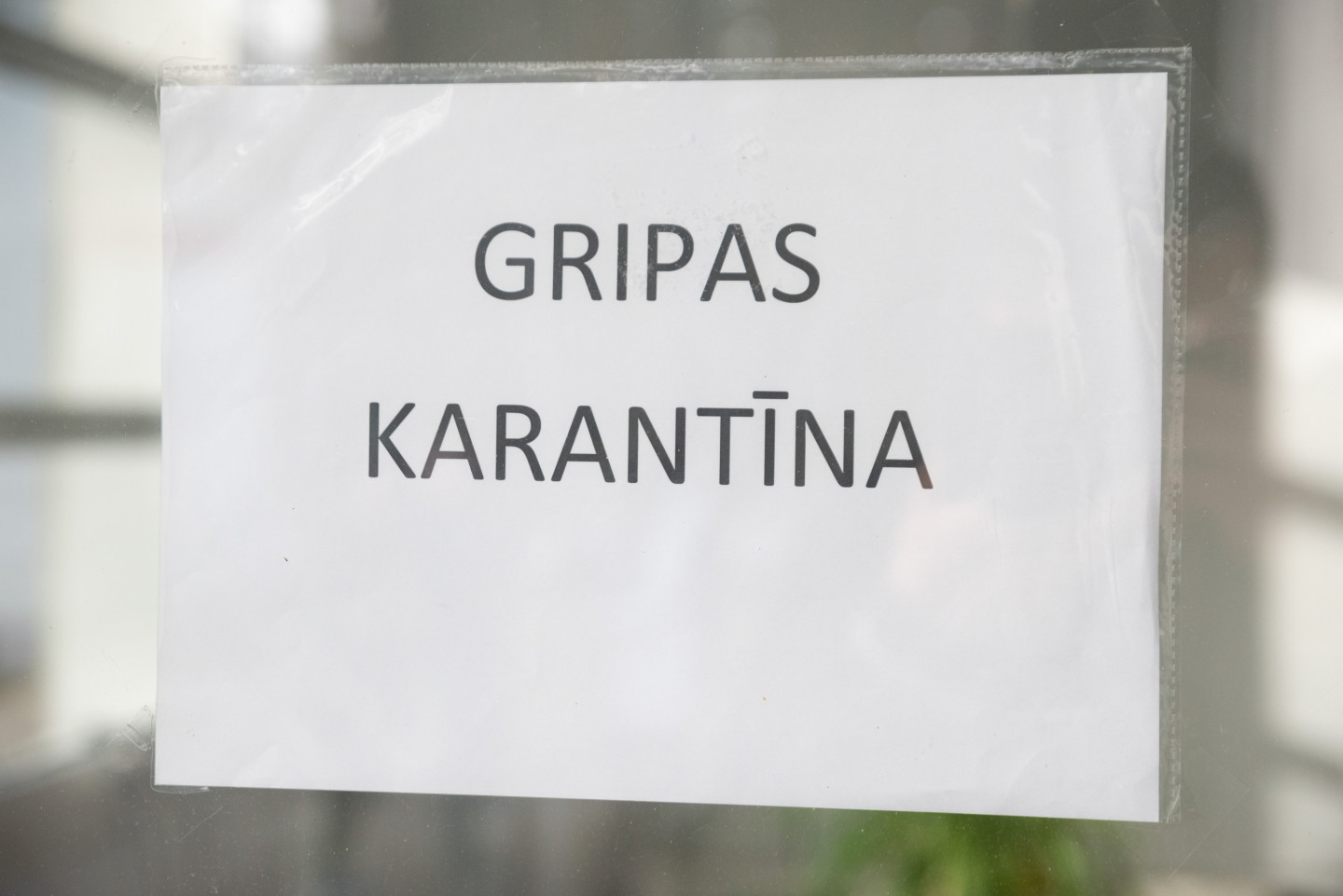
Latvia has recorded its first death this season of a patient with laboratory-confirmed influenza, as flu incidence rose over the past week. The figures come from monitoring data of the Centre for Disease Prevention and Control (SPKC), the national public health agency. Incidence reached 15 cases per 100,000 residents, up from 9.2 a week earlier, though flu activity is still below the epidemic threshold.
What the monitoring data show
The sharpest increase was among children aged five to 14, at 57.7 cases per 100,000 people in that age group. Of the ten territories included in monitoring, flu has so far been registered in five: Daugavpils, Jelgava, Jūrmala, Riga and Ventspils.
The share of flu-positive laboratory samples grew from 2.5% to 4.6%. Only type A viruses have been confirmed this season, and all samples with an identified subtype showed A(H1)pdm.
Incidence of other acute respiratory infections was unchanged at 992.3 cases per 100,000 residents, highest among children up to age four. Pneumonia incidence rose from eight to 11 cases per 100,000. Hospitals in the monitoring network admitted 110 patients with severe acute respiratory infection, down from 165 a week earlier.
The share of Covid-19-positive samples rose from 0.5% to 3.4%, and six patients were hospitalised with Covid-19, compared with one the week before. No Covid-19 deaths were registered last week; two have been recorded in total this season. Respiratory syncytial virus (RSV) was not detected in samples last week.
Vaccination
As of 3 November, 39,122 people had received state-funded flu vaccines, compared with 18,779 a week earlier. Some 2,700 had been vaccinated against Covid-19. SPKC says vaccine production in Europe was delayed, so deliveries to Latvia are arriving gradually. The nasal vaccine "Fluenz" for children aged two to 17 in certain health risk groups has been delivered, while "Vaxigrip" is expected by 6 November. Flu and Covid-19 shots can be given in a single visit.
SPKC advises regular handwashing, ventilating rooms, staying home when symptoms appear and getting vaccinated, calling vaccination the most effective way to reduce the risk of severe illness.