Latvia's new Immigration Law takes effect
A new Immigration Law came into force in Latvia on 15 September, changing rules and deadlines for residence permits, including scrapping permits tied to real estate purchases. The law was years in the making and was sent back once by the President before final adoption.
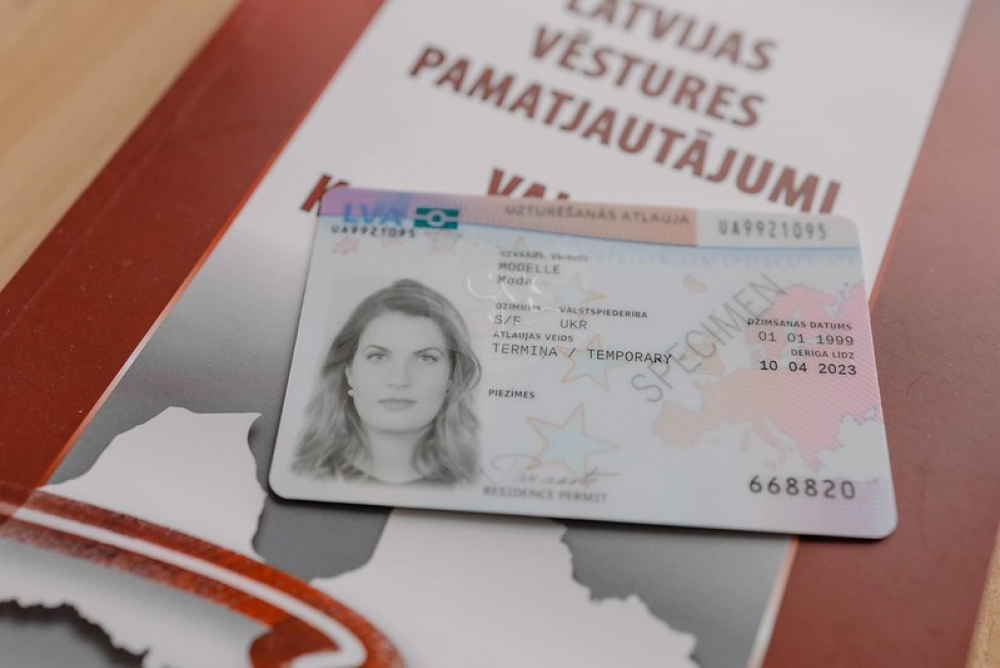
Latvia's new Immigration Law entered into force on 15 September 2026, replacing the previous law and also absorbing provisions on EU long-term resident status. Work on the new rules began in 2022, aimed at strengthening national security and making migration control more effective. Parliament (the Saeima) adopted the law in its final reading in June 2026, but the President declined to proclaim it, sending it back over concerns about the investment-based residence permit programme and the need to reassess its alignment with security interests. On 20 August, the Saeima readopted the law without substantial changes.
Key changes
Foreigners will no longer be able to obtain a temporary residence permit through real estate purchases. The option to obtain a permit through investment in a company's share capital remains, but its duration is cut from five years to two. A new route is introduced: a five-year permit for investing at least €150,000 in a state-established alternative investment fund manager. The government may suspend such permits for up to five years if needed for national security or economic reasons.
Deadlines for employment-related permits are also shortened, generally to one year instead of five, except for EU Blue Card holders. Processing deadlines at the Office of Citizenship and Migration Affairs are revised, and repeat applications for permits must now be submitted only in Latvian. ID card validity will match the residence permit's term rather than being renewed annually.
The law merges the national and EU long-term resident statuses into a single procedure and introduces a mandatory early integration programme, covering Latvian language and history, for foreigners with longer-term permits. Restrictions on Russian and Belarusian citizens remain, with stricter conditions applied to Russian nationals.
/nginx/o/2026/09/14/17918313t1hca7d.jpg)