Latvian Start-up Cellbox Labs Develops “Organ-on-a-Chip” Devices for Drug Testing
Cellbox Labs, founded in Latvia in 2020, makes devices and single-use chips that host human organ cells. The technology aims to make drug testing faster and cheaper.
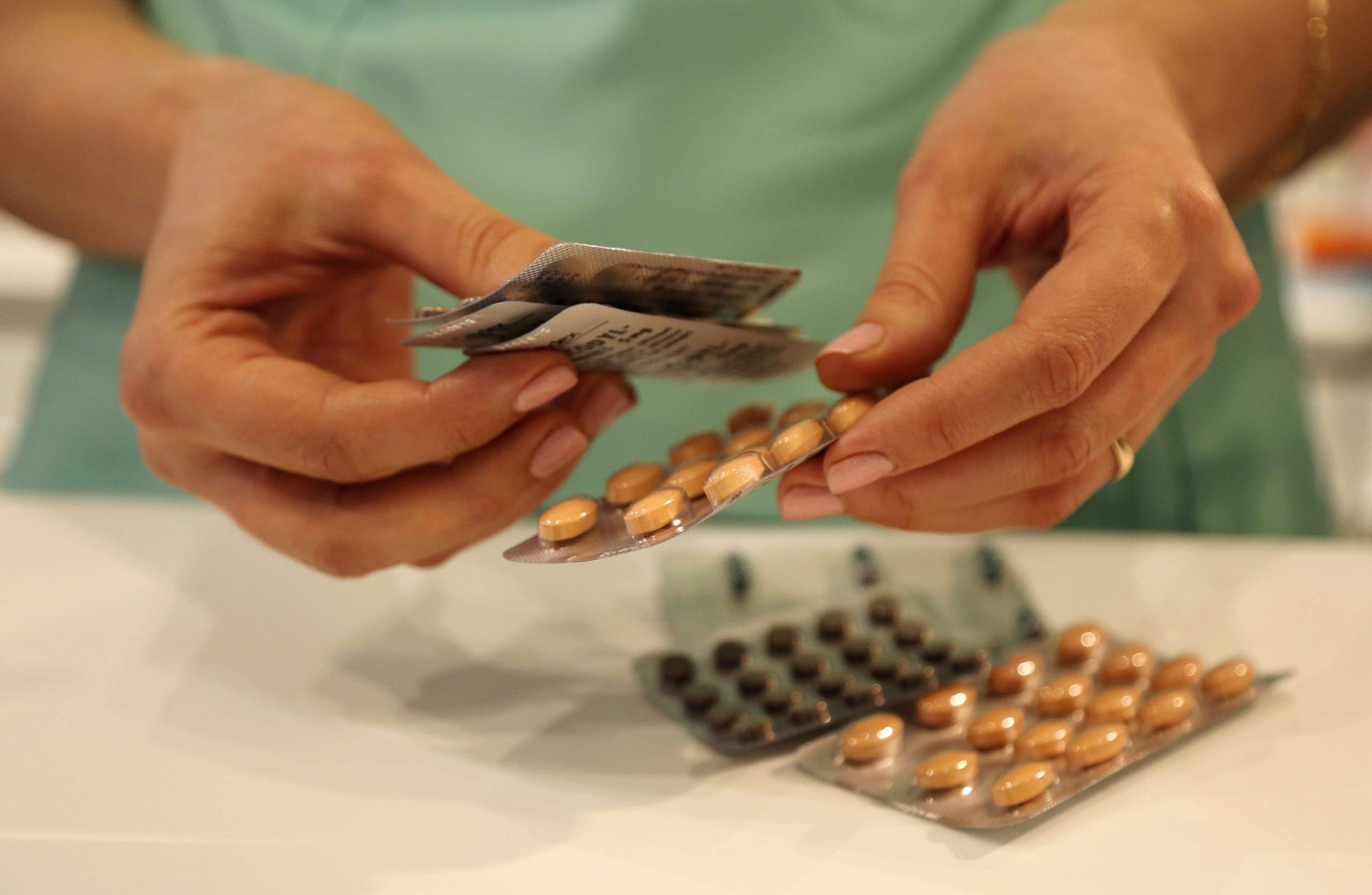
Cellbox Labs, a Latvian start-up, develops and manufactures devices and single-use chips based on the “organ-on-a-chip” approach. Human organ cells are placed in the chips so that researchers can test how medicines act without using a whole organism. Company CEO Gatis Mozoļevskis says the technology could shorten drug development and reduce its cost, which may in turn affect the price of medicines in pharmacies.
How the technology works
Cells placed in the chips are turned into tiny tissue pieces, while a device built by the company imitates the environment of the human body. The cells thereby mimic the behaviour of the relevant organ. According to Mozoļevskis, the technology lets researchers determine the efficacy and toxicity of medicines more precisely in a model of a specific organ.
Bringing a new drug to pharmacies in Europe takes several years, and information available online suggests it can be 10–15 years. Costs run into billions of euros. The CEO says that when medicines are tested on animals and humans, only one in ten works in people, while 90% are ineffective or toxic.
Customers and growth
The company is at an early stage. Its customers are mainly research laboratories, universities and institutes, while pharmaceutical and biotechnology firms are the target market. All customers are abroad. The current focus is the gut, and together with a Swiss company the firm is studying the effectiveness of prebiotics.
The company was founded by Gatis Mozoļevskis, Roberts Rimša and Artūrs Ābols, initially alongside their work at the Latvian Biomedical Research and Study Centre and the University of Latvia Institute of Solid State Physics. They began working full time at the start-up in 2024. It now employs 18 people. Total funding exceeds €6 million, of which 80% comes from Latvian and European grants and 20% from investors.
Plans
The next step is validating the gut chip by testing it with seven medicines whose effects in humans are well known. After that, the company plans to develop the blood-brain barrier, lungs, liver and kidneys. A “cancer-on-a-chip” technology has already been created. The long-term goal is personalised medicine, where cells derived from a patient's blood could be used to select the most suitable drugs.
