Latvian professor links French protests to immigration and warns of risks for Latvia
Leons Gabriels Taivans, a professor at the University of Latvia, has given his view of the 17 October protests in France in an interview with the newspaper Neatkariga. He ties them to immigration and says unrest in Europe and a collapse of Russia could threaten Latvia.
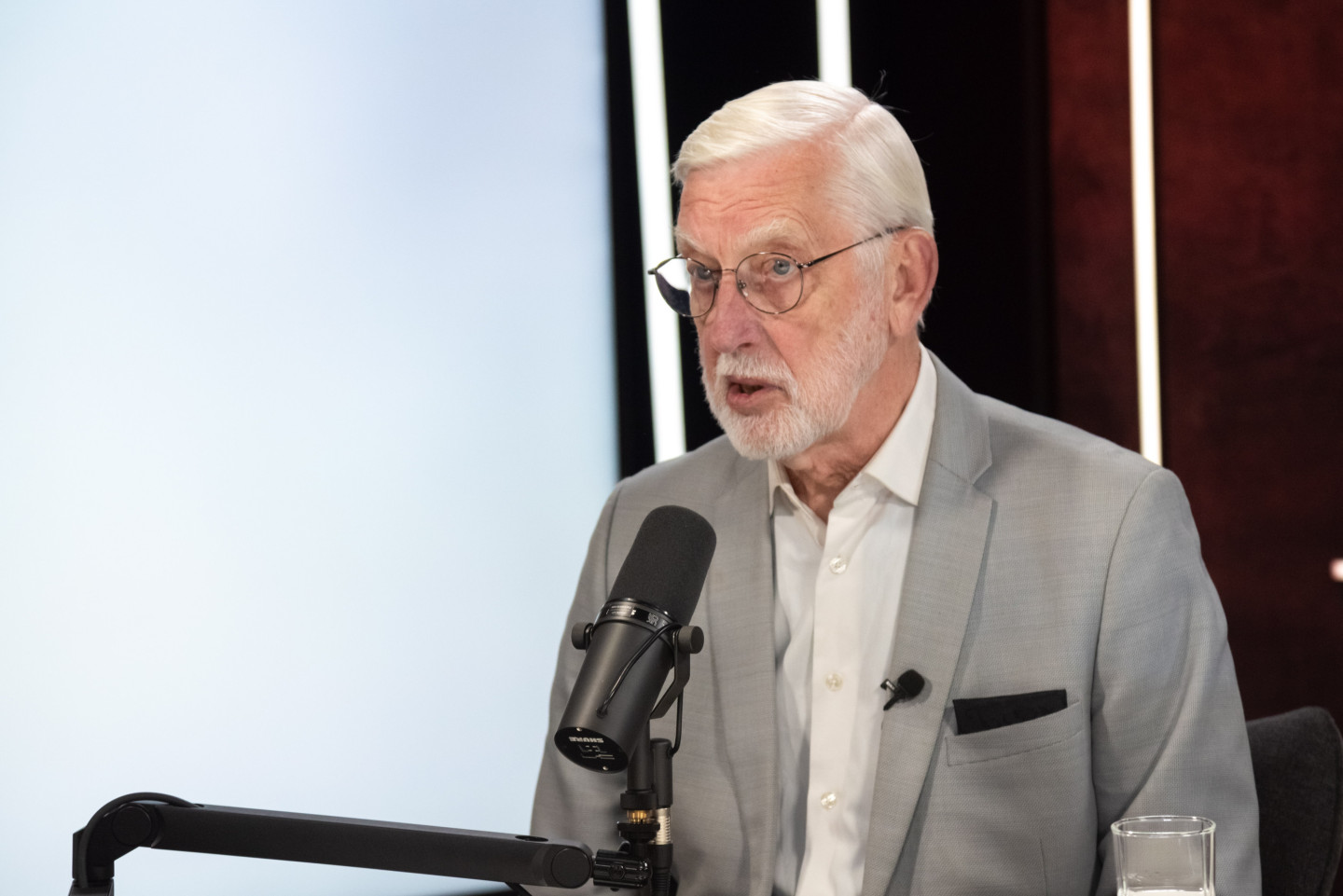
Leons Gabriels Taivans, a professor at the University of Latvia, has commented on the nationwide protests held in France on 17 October in an interview with the Latvian newspaper "Neatkariga". His assessment is a personal opinion, and the interview does not back it with other sources. Taivans believes immigration lies at the root of the protests. He warns that unrest in Europe and a collapse of Russia could endanger Latvia.
What is known about the protests
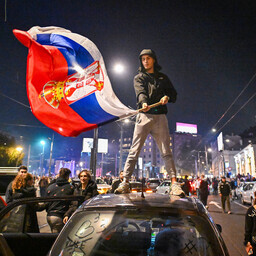
According to the interview's introduction, about 550,000 people took part. The organisers gave a higher figure of 800,000. Some demonstrations saw violent clashes, and at least 3,000 shops were looted across the country. Officially, the protests were justified by a shortage of teachers, neglected school buildings and a planned increase in higher education fees.
The professor's explanation
Taivans argues that the real cause is immigration. He traces it to France's colonial history and to the recruitment of guest workers after the Second World War. In his view, the assimilation of immigrants has failed. He claims that about 40% of the protesters are immigrants of various generations.
The professor also says police discovered lists of shops to be attacked and that these belonged to Jewish owners. The interview offers no official confirmation of this claim. He also points to Palestinian flags at the demonstrations and argues that neo-Marxism has become entrenched at universities.
Forecasts
Taivans believes immigration to France cannot be stopped. He cites Italy as an example. There, Prime Minister Giorgia Meloni came to power with anti-immigration pledges and promoted the expulsion of about 15,000 people, yet several hundred thousand other migrants arrived. He predicts further unrest and bloodshed, and a possible French exit from the EU that would break up the union itself.
For Latvia, Taivans sees two main dangers: unrest in Europe and a collapse of Russia. A civil war in Russia, he says, would produce refugees and could speed up the EU's disintegration.