Farmers warned of forage nutrient gaps as cattle disease reports rise
UK livestock farmers are urged to test grass and conserved forage, as cases of grass staggers and white muscle disease are increasing. The conditions are linked to shortages of magnesium, selenium or vitamin E.
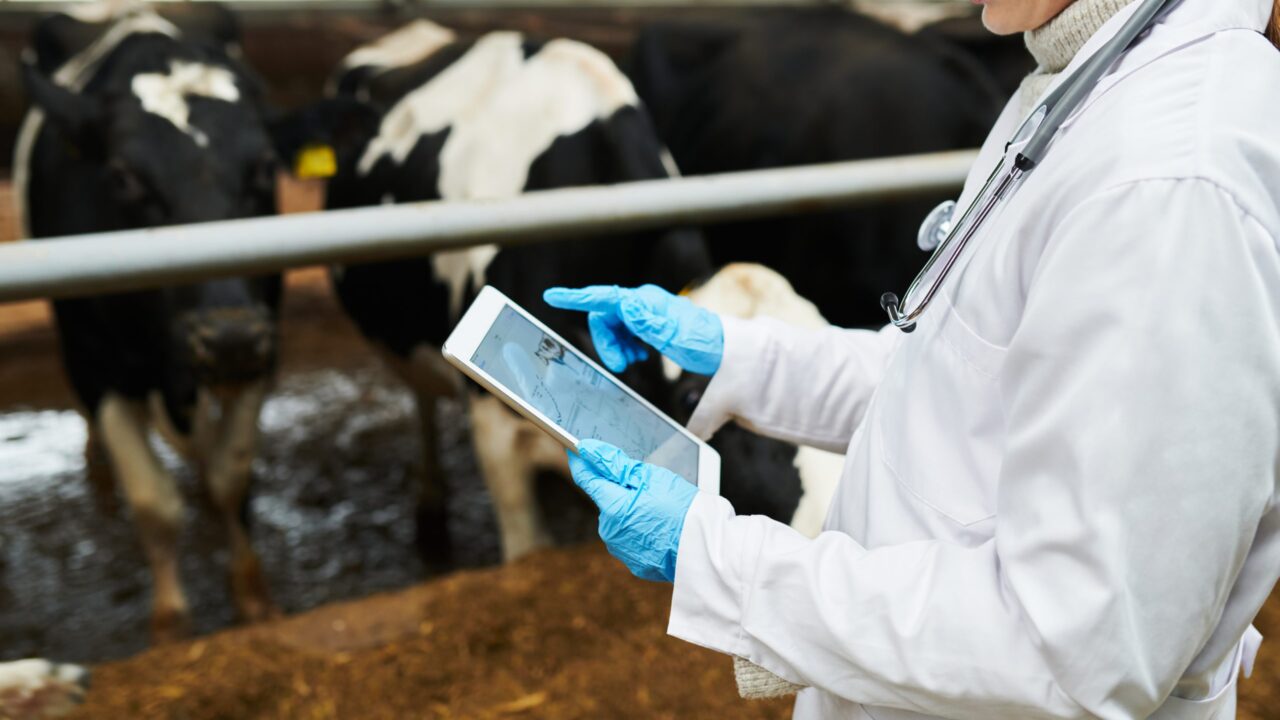
Livestock farmers in the UK are being cautioned about mineral and trace element shortfalls in grass and conserved forage. Nia Williams, a livestock specialist at feed company Nettex, says reports of grass staggers and white muscle disease are rising, particularly in freshly calved cows.
After a very dry summer followed by a warm, wet autumn, grass growth has accelerated and grazing is plentiful. That does not guarantee animals receive every nutrient they need. According to Williams, mineral and trace element levels vary, so both fresh grass and conserved forage should be analysed rather than assumed adequate.
Grass staggers
The condition, medically called hypomagnesaemia, results from low magnesium in the blood. Fast-growing grass is often low in magnesium, while high moisture, protein and potassium reduce its absorption. Cows cannot draw magnesium from bone, so they rely entirely on their diet. Lactating cows are especially vulnerable because their requirements are high. The disease can progress rapidly and cause convulsions and sudden death. Farmers who suspect it should contact a vet at once and review magnesium supply across the herd.
White muscle disease
The Animal and Plant Health Agency (APHA), which carries out disease surveillance in England and Wales, reported cases in calves last year. The disease is caused by a deficiency of selenium, vitamin E or both. It damages muscle tissue and can lead to weakness, tremors, stiffness, difficulty standing and, in severe cases, sudden death.
Selenium levels in grass and forage fluctuate with soil conditions and temperature. High sulphur levels can reduce plant uptake of selenium under certain conditions, so farmers applying fertiliser to raise sulphur should also consider selenium status.
Advice
Williams recommends testing, especially in a year of extreme weather, and balancing the whole ration for energy, protein, minerals and trace elements together with a vet or nutritionist.