Liberal frontbencher Dan Tehan denies coalition talks with One Nation
Liberal frontbencher Dan Tehan has rejected any possibility of forming a coalition with Pauline Hanson's One Nation party, despite polling showing the party's rise. Tehan insists such an alliance is not being discussed.
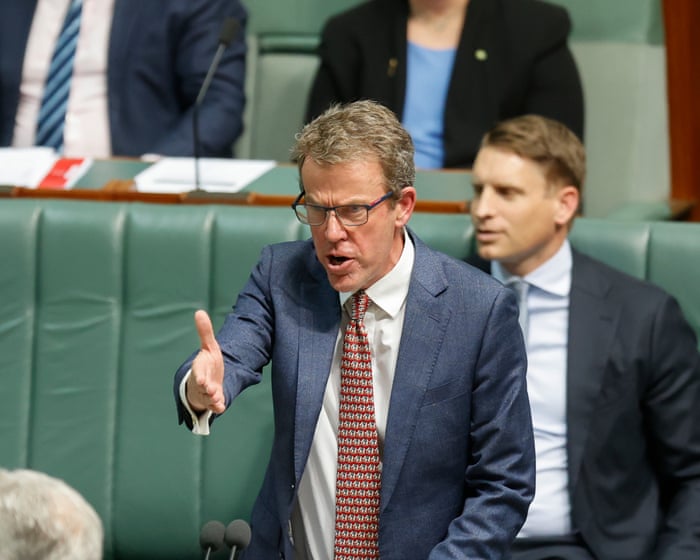
Liberal frontbencher Dan Tehan stated on Sunday that his party does not want to enter a coalition with the right-wing One Nation party led by Pauline Hanson. This comes amid polls indicating One Nation's growing support, which threatens the Liberal-National coalition's chances of returning to government.
Speaking on ABC's "Insiders," Tehan said, "We do not want to be part of a coalition with One Nation. We want to be part of a coalition with the Liberal party and the National party." He repeatedly denied any discussion of such an alliance, claiming it is "not even being talked about."
Despite Tehan's assurances, divisions are emerging within the Liberals and Nationals on how to handle One Nation. Some, like frontbencher Andrew Hastie, have vowed "war" on Hanson's party, while others, such as junior shadow minister Tony Pasin, have suggested seat-sharing arrangements. Nationals senator Bridget McKenzie indicated she would help Hanson campaign in Labor-held seats. Former prime minister and current Liberal party president Tony Abbott has backed preference deals with One Nation.
Abbott, in a speech in London last week, claimed that "mass migration" is being pursued to "dilute and eventually to extinguish the Anglo-Celtic core culture and the Judaeo-Christian foundational ethos." Tehan distanced himself from Abbott's remarks, stating that party policy is set by the partyroom, not the executive.
Recent polls show One Nation's primary vote at 26-30%, while the Coalition polls at 23%. Polling experts suggest the split in conservative votes between One Nation and the Coalition makes it highly difficult for the Liberals and Nationals to govern alone.
Prime Minister Anthony Albanese, speaking at the NSW Labor conference on Sunday, mocked the three right-wing parties, calling them an "axis of grievance." He said their problem is not their brand but their policies, and that they are each trying to be "more anti-fairness, more anti-worker, more anti-aspiration."