Libya seizes Gaddafi-shaped ecstasy tablets as al-Assad-linked captagon surfaces in Benghazi
Security forces in Tripoli have intercepted roughly 100,000 ecstasy tablets shaped like Muammar Gaddafi, while a separate bust in rival-controlled Benghazi uncovered captagon linked to ousted Syrian leader Bashar al-Assad's former drug networks.
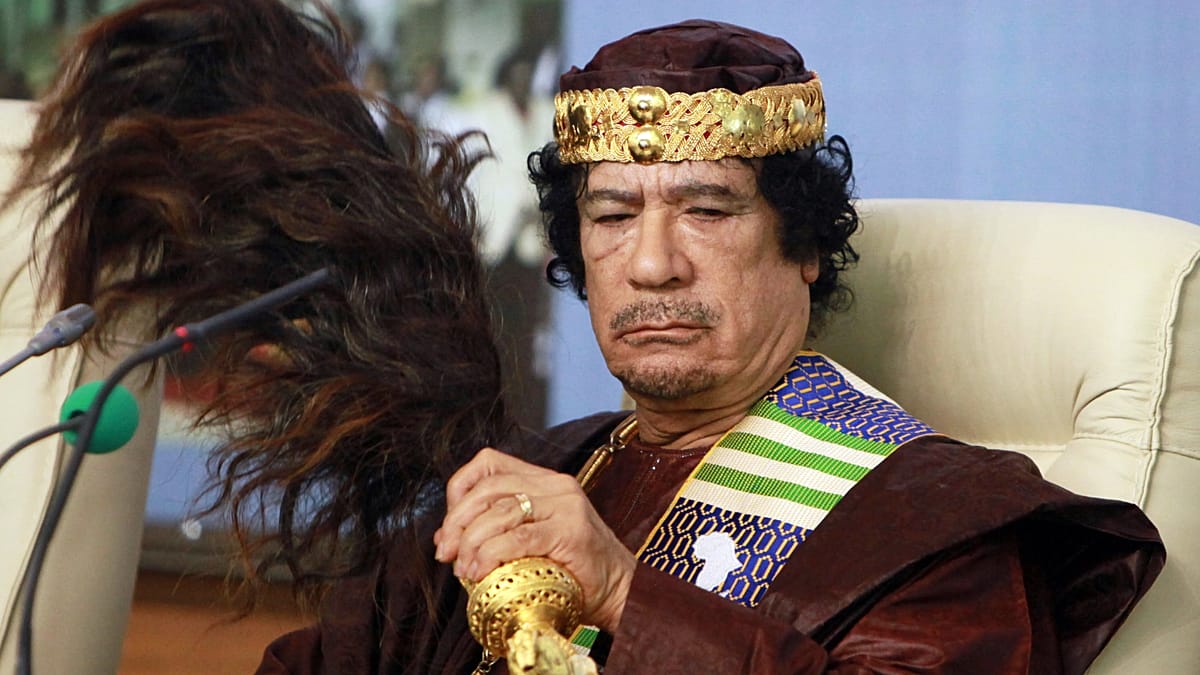
Forces loyal to Libya's Tripoli-based government, operating under the counter-terrorism and organised crime unit known as Rada, intercepted a shipment of around 100,000 ecstasy tablets on Saturday shaped in the likeness of late Libyan leader Muammar Gaddafi. According to Libyan news agency LANA, the tablets arrived by sea through an unnamed port, concealed inside a Renault Master van. Investigators said they had received tips about a criminal network moving the pills with the involvement of an undisclosed European country, and suspects have since been referred to the public prosecutor. While Tripoli did not release a street value, informal estimates suggest the batch could be worth between 500,000 and 1.5 million in the wider Mediterranean market.
In a separate case, authorities in Benghazi — controlled by forces aligned with Marshal Khalifa Haftar — reported seizing an unspecified quantity of tablets identified as captagon, assessing Syria as the likely source. Captagon, a cheap and highly addictive amphetamine-type stimulant, became a major revenue stream for Bashar al-Assad's regime during Syria's civil war. Analysts have estimated the trade generated as much as $10 billion annually at its height, with networks tied to the al-Assad family earning roughly $2.4 billion a year. Several governments, including the United States and the United Kingdom, have sanctioned Assad's brother Maher and associated figures over the trade.
A trafficking route between Syria's Latakia and Benghazi has long been documented, including a 2018 interception by Greek authorities of a vessel carrying more than 3 million captagon pills bound for eastern Libya. Gaddafi-shaped tablets have appeared in Libya before, including in August 2025 when Benghazi authorities seized MDMA-type pills bearing his image. The UN's drug watchdog, UNODC, noted in its 2026 assessment that Libya is becoming an increasingly significant transit hub for synthetic drugs due to political fragmentation and weak border controls. Since Assad's fall in December 2024, Syria's new authorities have destroyed several large captagon production sites, though smaller networks tied to former regime loyalists and Hezbollah reportedly continue parts of the trade.