Forecast rain will not end the UK's widespread drought conditions
Heavy rain is expected across the UK this week, potentially causing surface flooding on hardened soil, but experts warn it won't resolve the country's ongoing water shortages. Several water companies have already introduced hosepipe bans.
After the summer's fifth heatwave linked to the climate crisis, the Met Office forecasts cooler, wetter weather closer to seasonal norms this week. However, meteorologists and climate scientists caution that even widespread rainfall will not be enough to reverse drought conditions currently straining wildlife, farmers, firefighters and water supplies.
On Tuesday, South East Water asked customers in Kent to use water only for essential purposes after around 8,000 customers lost water supply on Monday. A company spokesperson said storage tank levels remained critically low, even though supply was restored to 7,400 homes in Herne Bay, Rough Common and Blean on Tuesday — about 400 homes remained without water.
A Department for Environment, Food and Rural Affairs (Defra) spokesperson called the situation "simply not good enough," urging South East Water to cut leaks faster and better follow its drought plans.
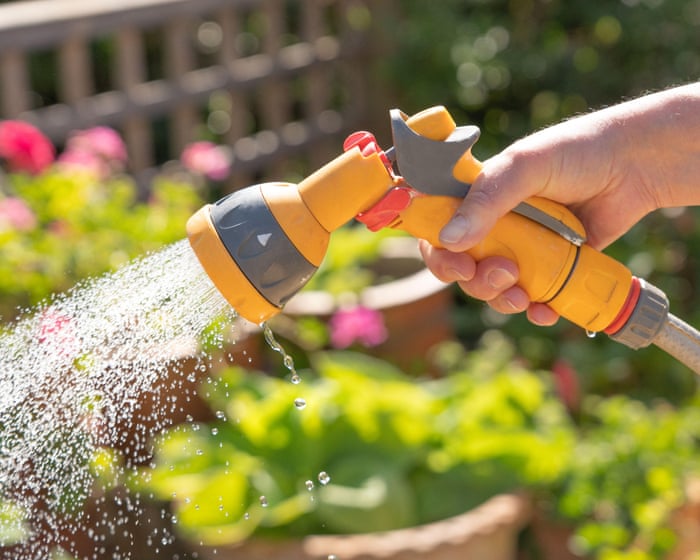
Meanwhile, Wessex Water introduced the UK's latest hosepipe ban on Tuesday, affecting 1.4 million customers in Bath, Somerset, Dorset and Wiltshire — its first such restriction in 50 years. South East Water had been the first company to impose a hosepipe ban this summer, in parts of Kent in early July.
Met Office deputy chief forecaster Mike Silverstone said showers were expected in the north and south-west on Tuesday, spreading east and south later, with heavy showers likely across much of the country on Thursday. Because the ground is so dry and hardened, some of this rain could trigger surface water flooding rather than soaking in.
Liz Stephens, a professor of climate risk and resilience at the University of Reading, said that despite heavy rainfall in January and February, the south-east remains around a month's worth of rain short of seasonal norms. She said many weeks of sustained rain would be needed for vegetation, rivers and reservoirs to recover, meaning hosepipe bans are likely to remain in place for some time.