Britain helps Ukraine build its own missile production capacity
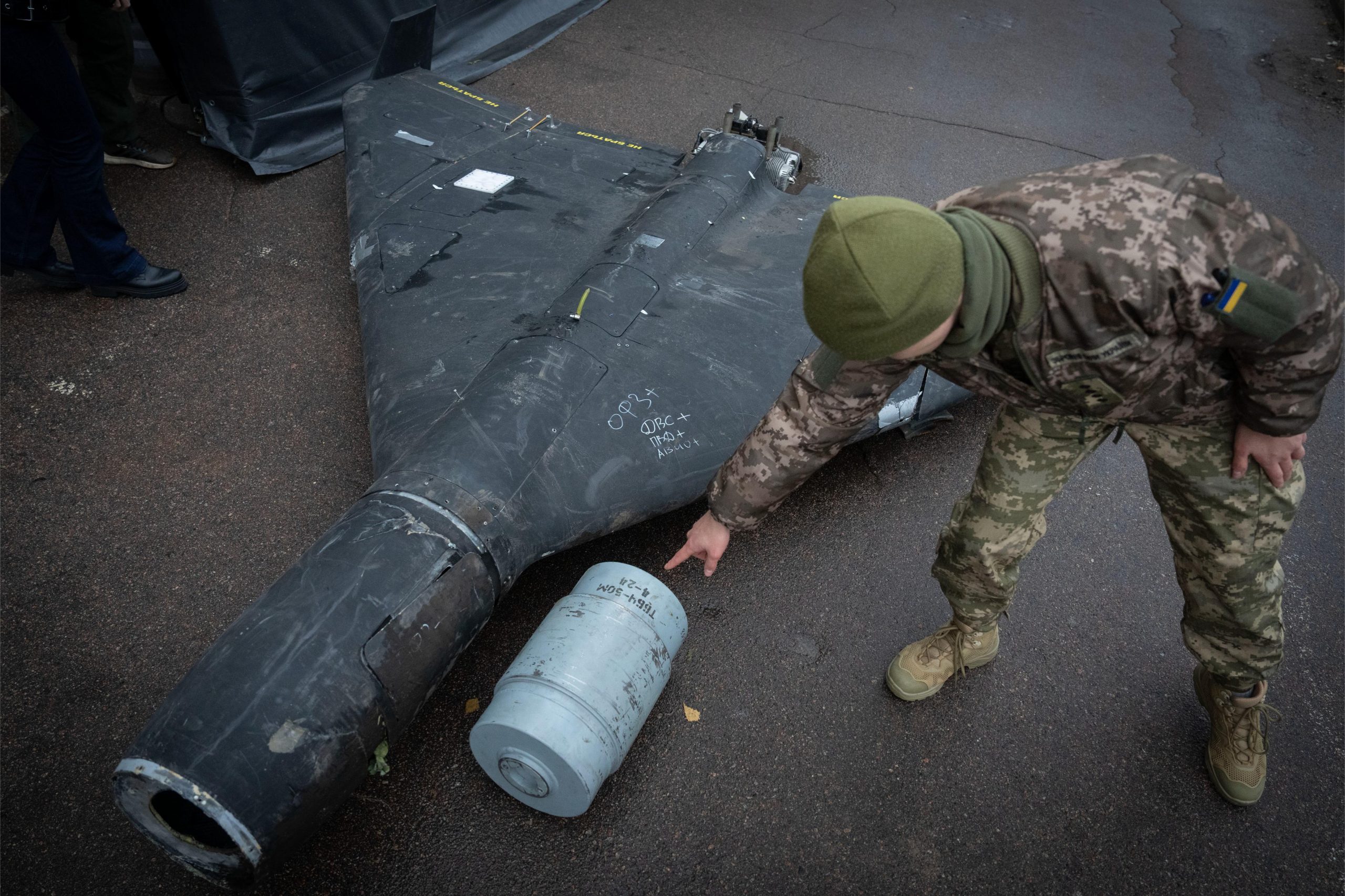
Britain is releasing classified data on Scalp cruise missile components so Ukraine can assemble them domestically, helping Kyiv reduce dependence on Western arms supplies as fighting continues in the eastern Donetsk region.
Recent events on Europe's borders may signal a turning point in Russia's war on Ukraine. While the political situation for President Volodymyr Zelenskyy has grown more difficult, the military picture appears more encouraging. Ukraine can already send waves of drones against Russian oil facilities, warehouses and airfields.
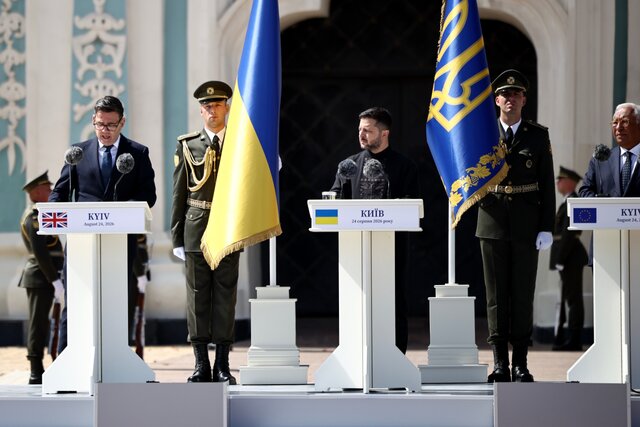
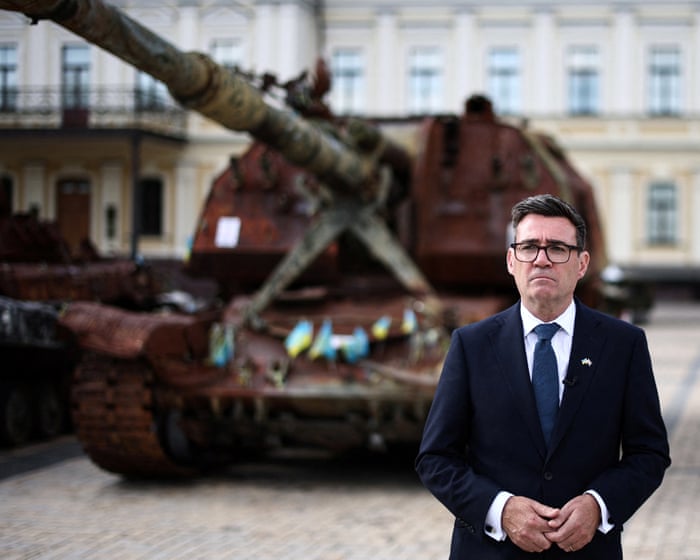
British minister Andy Burnham's visit to Kyiv marks a further step: Britain is releasing classified information about the components of the Scalp missile, the French version of the Storm Shadow cruise missile, allowing it to be assembled inside Ukraine. This amounts to more than supplying another weapon — it is helping Ukraine become less reliant on the Western arms pipeline.
From dependence to independence
Two years ago the picture was different. US President Joe Biden waited until November 2024 before allowing Ukraine to strike deep into Russian territory using American weapons. Now Kyiv is being entrusted with something more significant: a degree of weapons independence.
Ukraine needs this because it cannot offset its manpower shortage by contesting every kilometre of its eastern fortress belt, where it is currently losing ground. If Moscow can freely move ammunition and equipment toward the Donetsk direction, the balance will eventually shift. Cruise missiles offer an alternative strategy, making it harder and more costly for Russian forces to reach the front line.
Europe is also focused on defence. Ukraine relies heavily on US-made Patriot systems to intercept ballistic missiles, but a global shortage of interceptors, worsened by the US conflict with Iran, has left gaps in its defences. With European support, Ukraine's defence industry is developing an anti-ballistic system, while Kyiv is also scaling up production of its own ballistic missiles.
According to the source, Russian President Vladimir Putin continues to reject proposals that fall short of Russia's broader demands, while expanding military capacity rather than preparing his population for compromise.