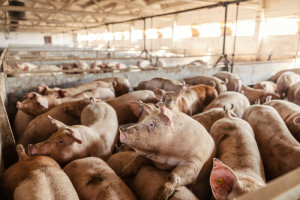
Pig farmers across the UK losing up to £50 per animal, MPs warn
The UK parliament's rural affairs committee is urging the government to act quickly as pig farmers lose up to £50 per animal. It warns the sector is nearing a crisis point with consequences for food security.
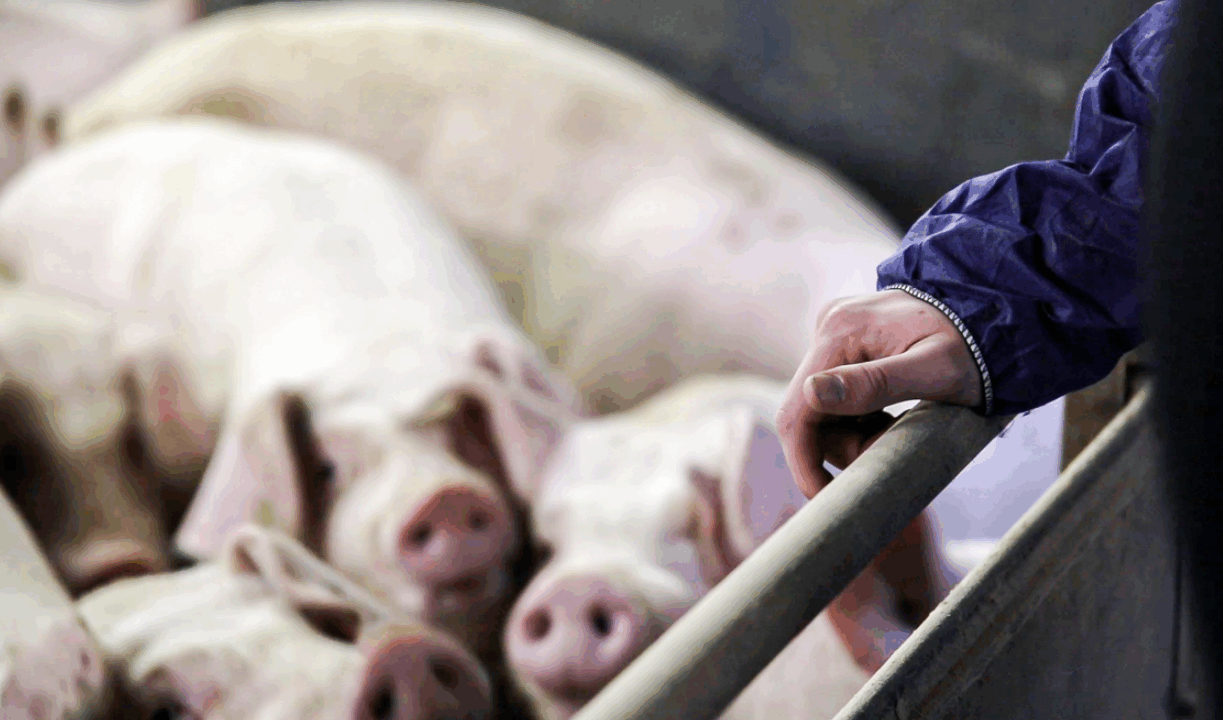
Pig farmers across the UK are losing as much as £50 on every animal, according to industry representatives. The situation has led the Environment, Food and Rural Affairs (EFRA) Committee of the UK parliament to draft a letter to the Department for Environment, Food and Rural Affairs (Defra), the government department responsible for farming policy. The committee warns that the sector's troubles could spread through the wider rural economy and weaken national food security.
Pressures on the sector
The challenges include higher feed costs, workforce shortages made worse by visa restrictions, and a backlog in pig processing caused by a downturn in the abattoir sector. The committee has heard from several pig industry representatives who described these problems.
The letter says feed suppliers, abattoirs and processors would all feel the impact, which in turn would affect domestic food production and food security.
Proposed measures
The letter sets out measures that could help the sector, though they would require government support. These include clearer labelling showing whether products were farmed in the UK. The industry also hopes for a stronger commitment from supermarkets to stock UK-produced pork and for a larger share of the out-of-home market.
Committee chair's appeal
EFRA Committee Chair Alistair Carmichael said smaller independent producers are in an especially vulnerable position. He said time is running out to keep the sector on its feet and that multiple challenges have made 2026 a tumultuous year, bringing the industry close to a crisis point.
Carmichael urged Defra to take both practical and financial action, since losing primary producers risks losing abattoirs, hauliers, feed companies and vets. He added that Defra has recently reorganised to put more emphasis on food production, and that this will be an early test of whether the reorganisation makes a difference.