UK discount retailer Poundland enters administration, putting 11,000 jobs at risk
British discount retailer Poundland went into administration on Wednesday, threatening around 11,000 jobs and 600 stores. Its US owner, investment firm Gordon Brothers, has appointed AlixPartners as administrators.
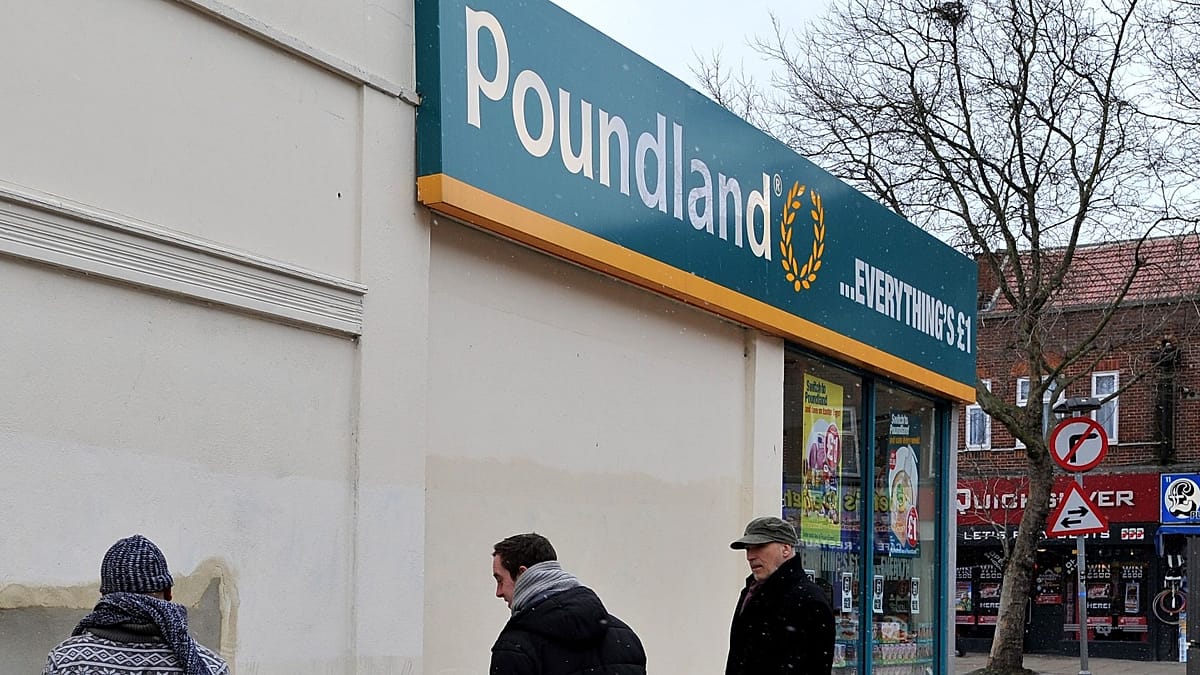
Poundland, a British discount retailer, entered administration on Wednesday 26 November, its owner, the US investment firm Gordon Brothers, announced. Around 11,000 jobs and 600 stores are at risk, just weeks before Christmas, traditionally a key trading period for retailers.
Gordon Brothers has appointed administrators from the consultancy AlixPartners to try to save parts of the business. The investment firm said efforts to preserve as many jobs and stores as possible would continue under the administrators' leadership. AlixPartners said its priority is to work with all stakeholders, including the UK government and trade unions, to identify the best possible way forward. It urged anyone interested in buying the business, in part or as a whole, to contact the administrators. Poundland will keep trading as normal while ways to keep at least part of it running are explored.
British Prime Minister Andy Burnham said in a statement that news of the administration so close to Christmas would be deeply concerning for workers and their families. The retail trade union Usdaw accused Gordon Brothers of failing to engage with it and called the development "devastating news" for its members.
Background
Gordon Brothers took control of Poundland in June last year, providing £85 million (€97 million) in financing to help turn the business around, while closing shops and cutting staff. The previous owner, Polish discounter Pepco Group, had said the already struggling company faced added pressure from a business-tax rise in the UK. Poundland was sold to Gordon Brothers for £1, with a portfolio of more than 800 stores.
Discounters rose to prominence in Britain after the 2008 global financial crisis, offering shoppers everyday essentials at very low prices. In recent years they have found it harder to compete because of high inflation and stronger competition from supermarkets.
The owner said management and staff had worked over the past 12 months to improve underlying performance and achieve £100 million of cost savings. Even so, despite a lower cost base, the business remains vulnerable to inflationary pressures or any downturn in sales and margins.