Liepāja 2027: Making a European Capital of Culture Accessible to Everyone
In 2027 Liepāja will become a European Capital of Culture with an extensive program of events, but experts stress that a rich schedule alone does not guarantee accessibility for all residents.
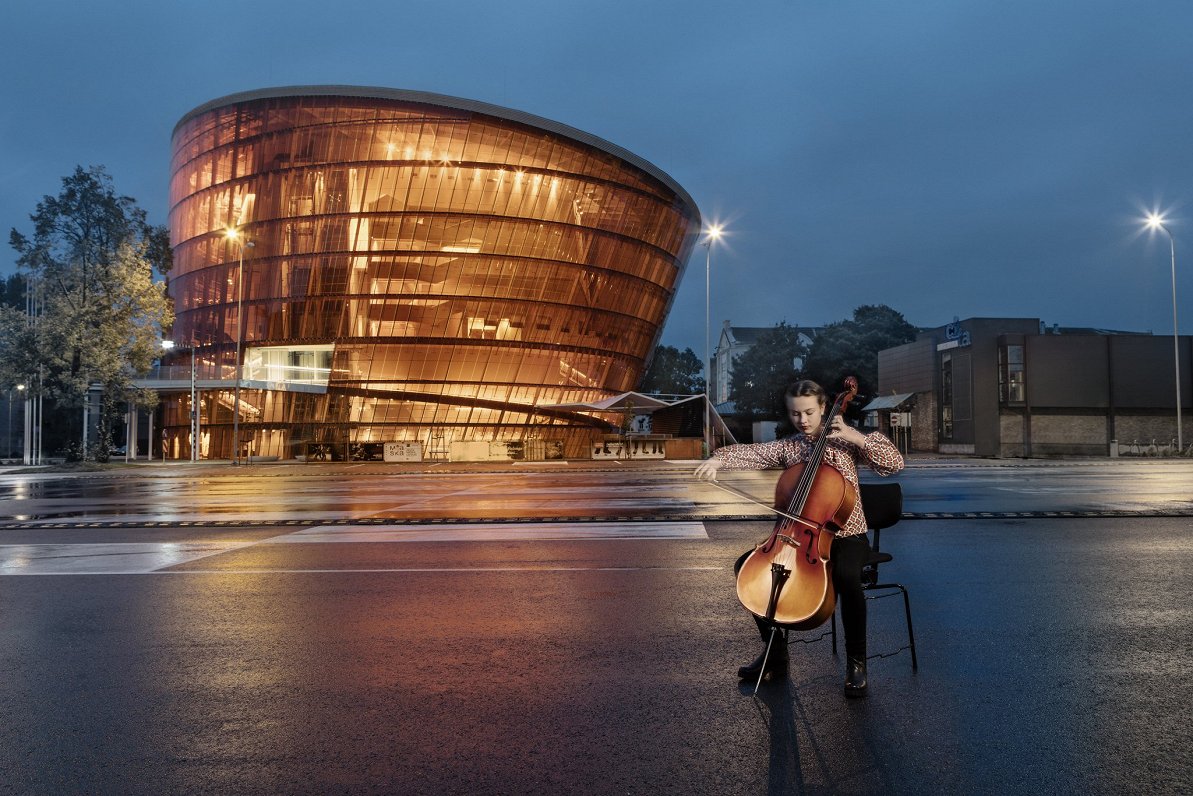
In 2027, Liepāja will hold the title of European Capital of Culture, and the city's cultural life is set to expand on an unprecedented scale, with hundreds of events planned throughout the year. However, a large number of events does not automatically mean that culture will be accessible to every resident or visitor.
Accessibility as a Challenge
For Liepāja to genuinely become a cultural capital for everyone, organizers must also consider people for whom attending an event, navigating a venue, or perceiving its content may require different solutions than those used by most attendees. This concerns people with various functional impairments and other special needs, for whom standard event formats can be difficult or even impossible to access.
A Long-Term Goal
It is important that the accessibility solutions introduced in connection with the Capital of Culture year do not remain a one-off feature of the celebrations, but instead become a lasting part of the city's cultural environment even after 2027. This means that solutions enabling different types of visitors to enjoy cultural offerings, regardless of their abilities or needs, should be included already at the planning stage.
Liepāja's preparations for the European Capital of Culture title thus raise a broader question — how to organize cultural life so that it truly serves the whole of society, not just part of it.

/nginx/o/2026/09/09/17907097t1hb997.jpg)
/nginx/o/2026/09/08/17905909t1hc487.jpg)