Lithuania considers Polish and Czech models for windfall tax on oil refiners
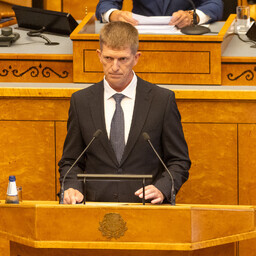
Lithuanian Energy Minister Lukas Savickas said the government will use Poland's and the Czech Republic's approaches as reference points for a tax on windfall profits in oil refining. The Finance Ministry is preparing an initial proposal to be discussed with businesses.
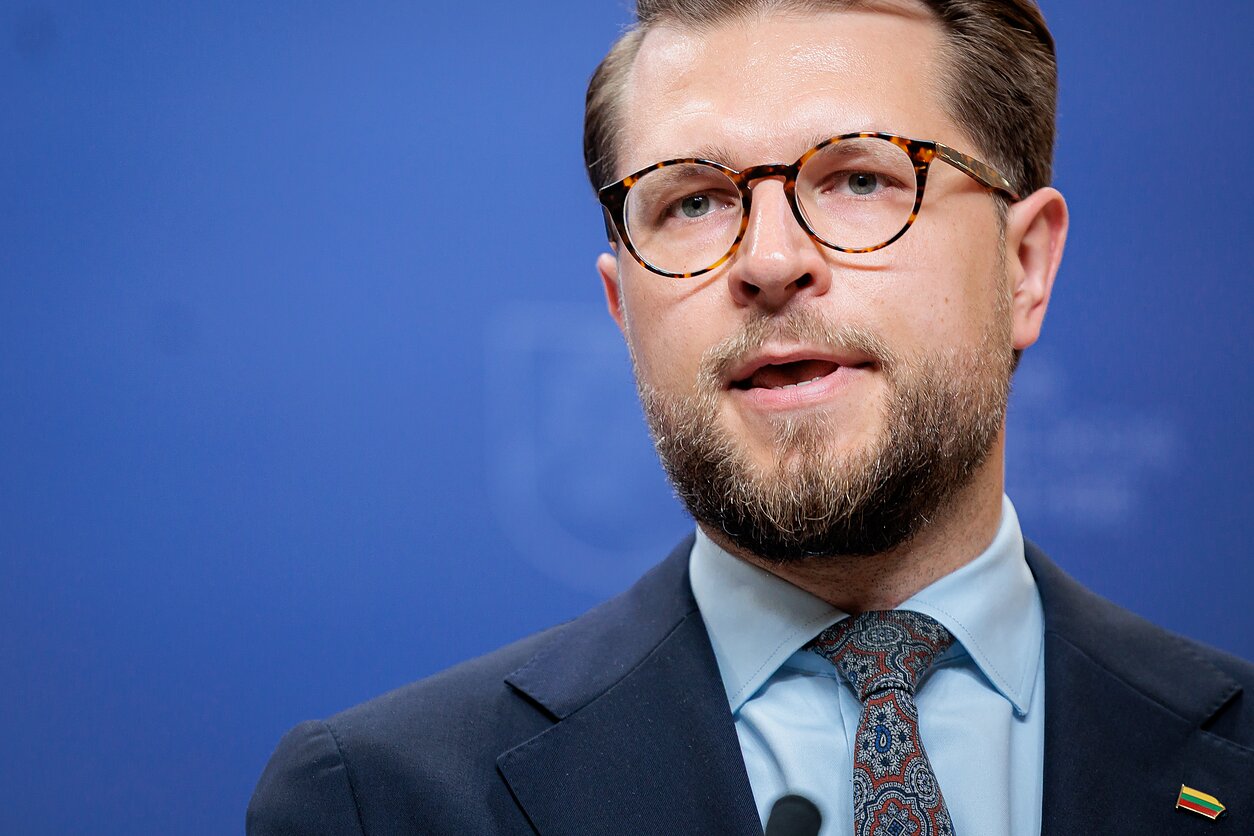
The Lithuanian government is weighing a special tax on oil refining companies to capture unexpected profits generated by this year's sharp rise in energy resource prices. Energy Minister Lukas Savickas told reporters on Wednesday that measures adopted in Poland and planned in the Czech Republic are being examined as examples. The design of the tax will determine how much revenue the state can collect and where it will go.
What the minister said
Savickas explained that Energy Ministry calculations show oil refining is the only sector to have recorded windfall profits this year. He said he hopes the Finance Ministry's forthcoming decision will target only those sectors where such profits actually arose, and that a narrower, more targeted approach would be more appropriate than a broad one. Asked whether the levy would be based on profits or revenues, he replied that both the Polish and Czech approaches could serve as examples, but only as a reference point. He has not said which model Lithuania will choose.
Prime Minister Mindaugas Sinkevičius said on Monday that an initial draft of the tax had already been prepared and would soon be discussed with market participants.
Polish and Czech approaches
In Poland, a law imposing a 60% tax on fuel trading companies' profits above a threshold based on normal profit margins took effect on November 1. It is expected to raise about 4 billion zlotys (940 million euros), with the money intended to finance fuel price cuts.
The Czech Republic is considering a different route: taxing half of the increase in oil refiners' gross margins in 2026–2027 compared with 2025.
Use of the revenue
Sinkevičius said revenue from the planned tax could go to the Defence Fund, with the contribution potentially exceeding 100 million euros. The prime minister had earlier said the tax could bring up to 70 million euros to next year's budget, to be used to soften the effect of higher energy prices on consumers.