Lithuania sounds alarm: much of its recyclable waste ends up burned or landfilled
An audit by Lithuania's State Audit Office finds that despite growing waste sorting habits, a large share of recyclable materials still ends up incinerated or landfilled instead of being recycled. Authorities call for expanding recycling infrastructure.
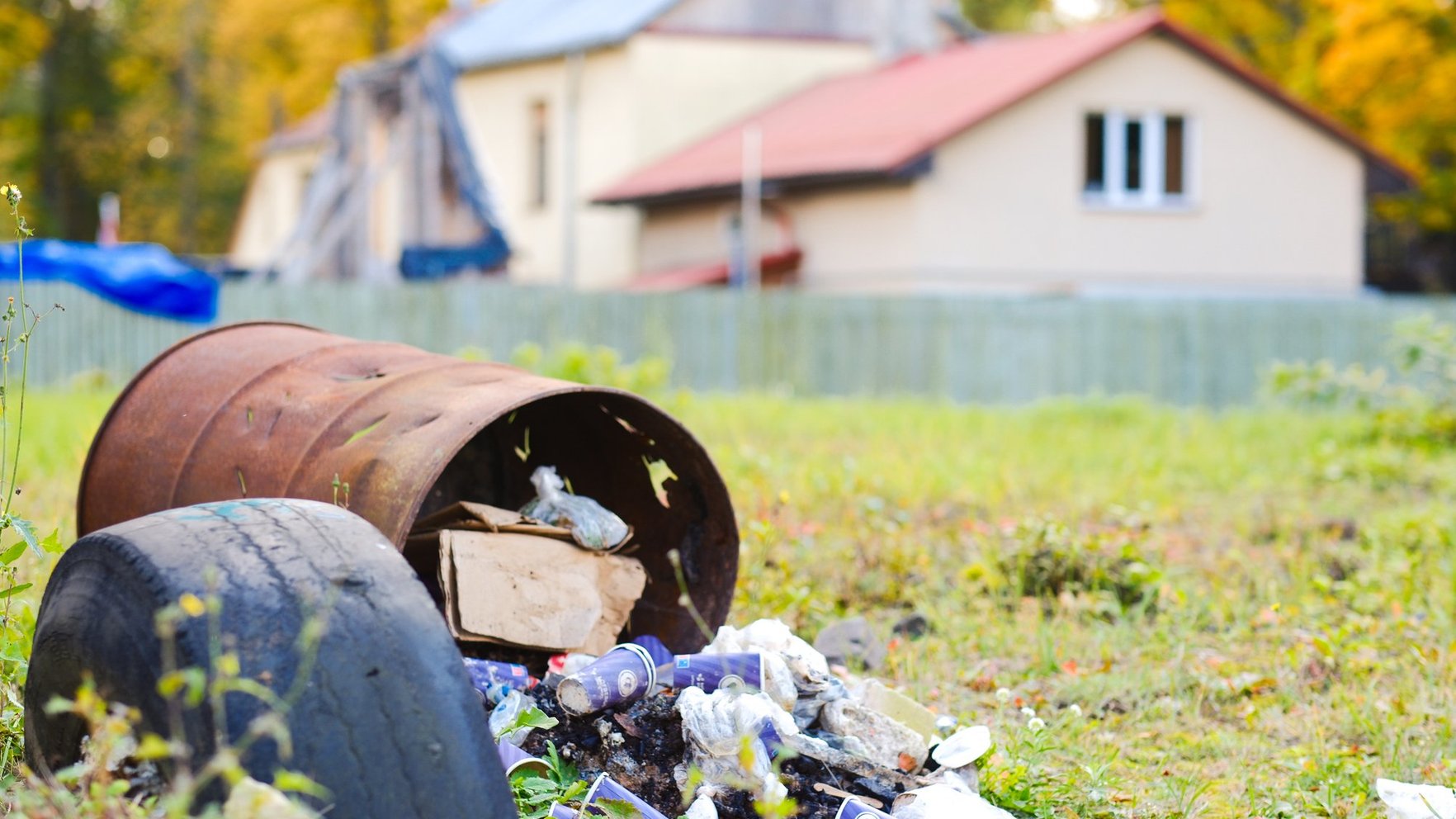
An audit conducted by Lithuania's State Audit Office into household waste management has revealed significant shortcomings in the country's recycling system. While residents' waste-sorting habits have notably improved in recent years, a large portion of reusable materials still ends up in the mixed waste stream and is ultimately incinerated or sent to landfills rather than being recycled.
Sorting rises, but the problem persists
According to the audit report, the share of residents who sort their waste rose from 40% to 60% between 2016 and 2021. However, mixed household waste still contains large amounts of recyclable material — packaging and other secondary raw materials make up roughly a third of its total volume. In 2021, this amounted to 240,200 tonnes of such material found in unsorted waste, yet only 8.5% of it was actually prepared for recycling, with the rest incinerated or landfilled.
Infrastructure development needed
Auditors say one of the key remaining tasks is to increase the volume of household waste recycling and reuse. In the year covered by the audit, the country recycled a total of 596,000 tonnes, or 44.33%, of all household waste. If the audit's recommendations are implemented, an additional 128,200 tonnes of waste per year are expected to be recycled by the end of 2029. To achieve this, the State Audit Office stresses the need to renew and expand recycling capacity for textiles, furniture, plastic, packaging, biological waste, electronics and other waste types. Plans also include tightening controls on imported household waste to ensure it is recycled rather than incinerated or landfilled.
The scale of the problem
In 2021, Lithuania generated 1.34 million tonnes of household waste, of which 728,000 tonnes, or 54%, were unsorted. That year, ten mechanical and mechanical-biological treatment facilities processed 718,000 tonnes of unsorted waste, while three power plants incinerated nearly 473,000 tonnes of prepared household waste for energy generation. Between 2000 and 2023, a total of 480 million euros was invested in Lithuania's regional household waste management systems.


