Lithuania to opt out of taking EU relocated asylum-seekers next year, will pay into solidarity fund
Lithuania's government plans to accept no asylum-seekers relocated from other EU states next year and instead pay into the bloc's migration solidarity fund, at a cost of up to 4 million euros. Opposition politicians have criticised the decision.
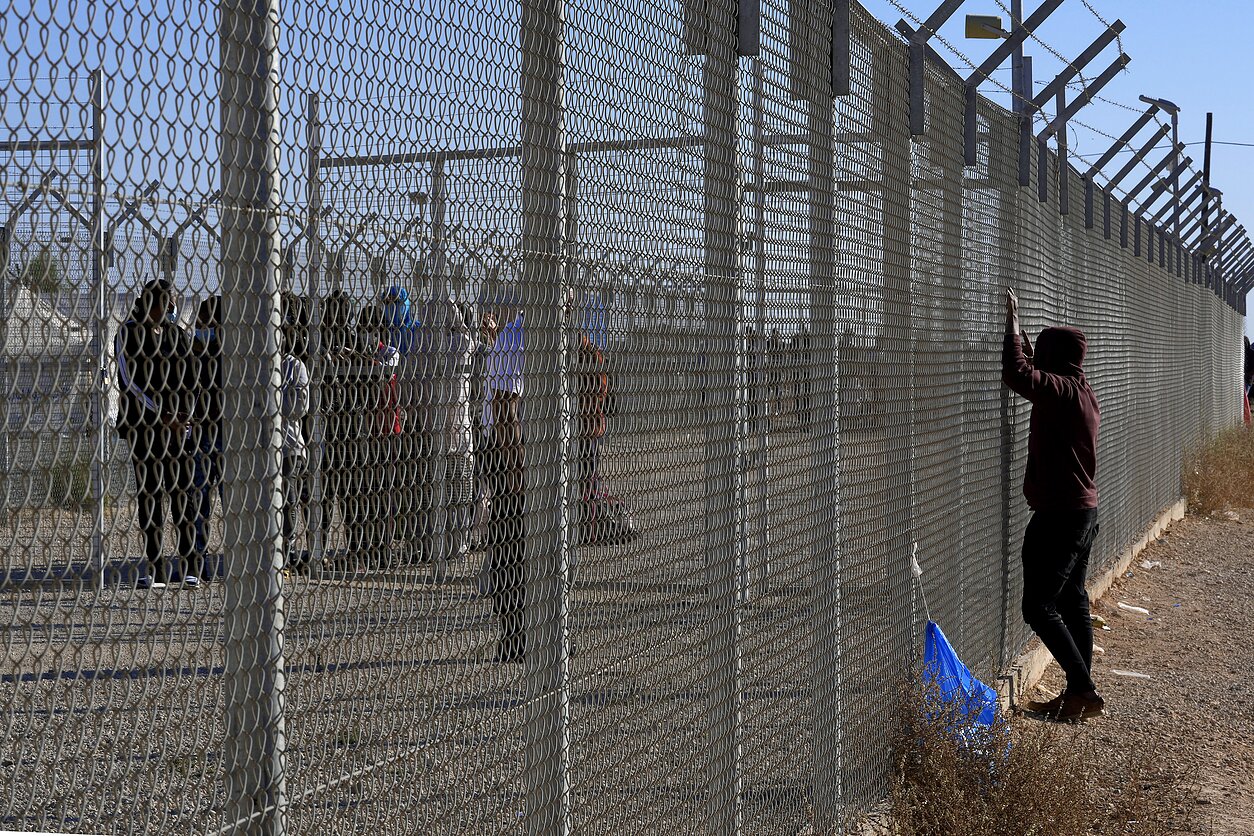
Lithuania's government intends to refuse the relocation of asylum-seekers from other European Union countries next year and to contribute to the bloc's migration solidarity fund instead. The move could cost up to 4 million euros and has already drawn criticism from opposition politicians. Interior Minister Martynas Katelynas said the approach changed after difficulties in meeting this year's commitments. The debate centres on Lithuania's obligations to European partners, the cost of migration management and whether the money should go to domestic priorities.
This year's experience
Under the EU solidarity mechanism, member states can accept asylum-seekers from countries under particularly heavy migration pressure or pay into the bloc's solidarity fund. Lithuania chose a mix this year: it agreed to take half of its allocated number and pay nearly 1.5 million euros for the rest. It agreed to accept 58 migrants in total, but only 28 have arrived. Another group is expected in December. This week 22 asylum-seekers arrived from Cyprus.
Gediminas Pocius, head of the Reception and Integration Agency, said the arrivals are mostly single men from African countries and that 58 people would not be a major problem. Katelynas, however, cited difficulties linked to the profiles of those being transferred. Ruslanas Baranovas, a lawmaker from the ruling Social Democratic group, said Cyprus offered a list of particularly problematic cases, including people with mental disorders or those who had suffered torture. MEP Dainius Žalimas said such descriptions risked discriminating against people with disabilities. Lithuania itself selected the asylum-seekers after interviews and assessments by Migration Department and State Security Department officials.
Financial argument and criticism
Pocius said a country receives 10,000 euros in EU funding for each relocated person, while integration over 18 months costs about 5,000 euros. The EU also covers return costs if a person does not obtain refugee status. According to figures cited in the debate, Lithuania could receive 10,000 euros for accepting someone but pay 20,000 euros for not taking that person. Baranovas said the main reason was lessons learned in the first year, not financial calculations.
Viktorija Čmilytė-Nielsen, leader of the Liberal Movement's parliamentary group, said the money could instead raise Migration Department salaries and called the decision a strategic mistake. Žalimas described it as populist. Tomas Tomilinas of the coalition's Democrats "For Lithuania" group said the earlier middle ground seemed more optimal. Germany and France have chosen to take the largest share of relocated migrants, while seven countries opted to pay; the Netherlands is expected to pay the most, more than 20 million euros.