Lithuania sees no major disruption from EU's Entry/Exit System, despite problems elsewhere
Lithuania reports that the EU's new Entry/Exit System (EES) is operating without significant disruption, unlike several other EU countries where long queues and technical issues have been observed.
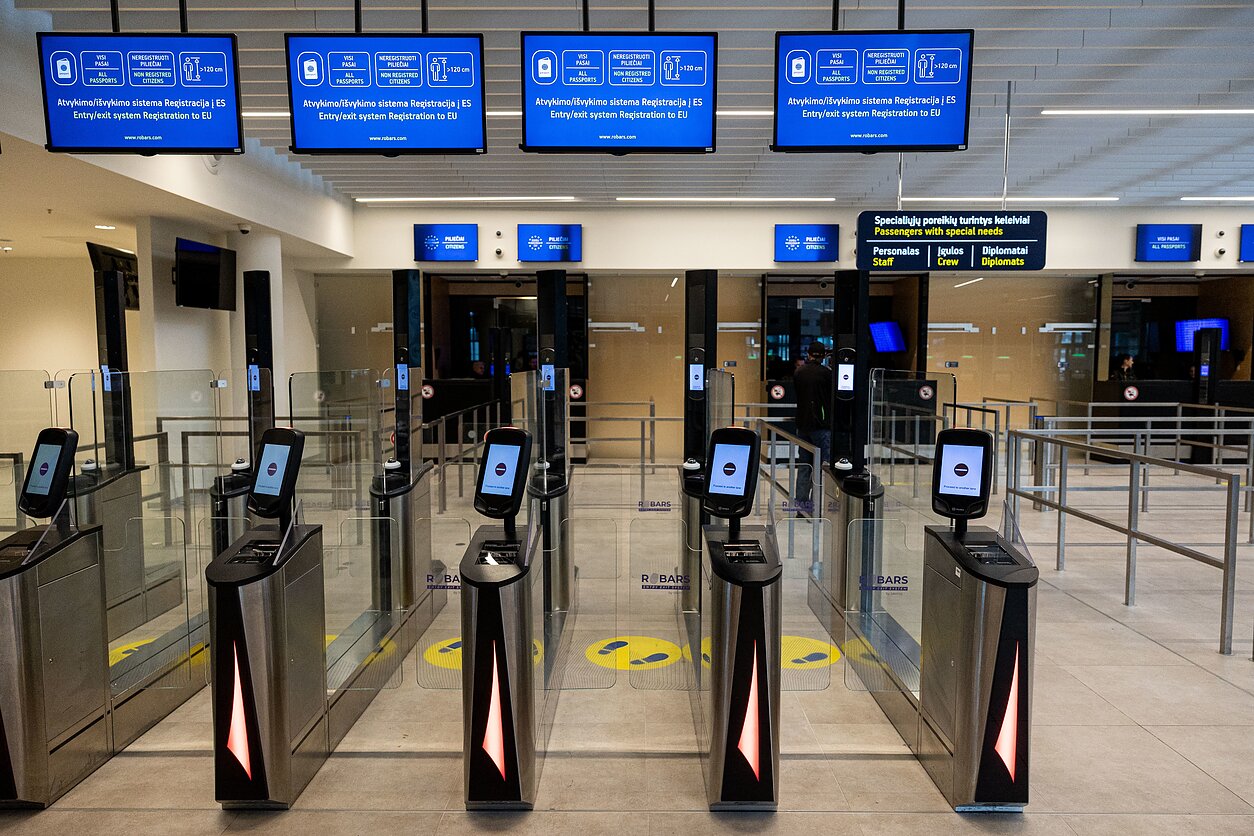
Lithuania's State Border Guard Service has reported no major disruptions since the rollout and full operation of the European Union's new Entry/Exit System (EES) on April 10. No queues, passenger screening delays, or missed flights were attributed to the system at Lithuanian border checkpoints or airports. Lithuanian Airports also confirmed that the system, which automatically registers and stores data of non-EU citizens entering 29 European countries, was functioning smoothly.
EES replaces manual passport stamping and records personal and biometric data to track overstays and entry refusals. It is used by all EU member states except Ireland and Cyprus, as well as Schengen area countries such as Switzerland, Norway, and Iceland.
However, some EU countries and the European aviation industry have warned of broader disruptions. The aviation sector reported wait times of up to five hours due to the system in certain locations, and nine EU countries have urged Brussels to allow greater flexibility in applying the system during emergencies. European Commission President Ursula von der Leyen acknowledged ongoing technical problems, while EU Home Affairs Commissioner Magnus Brunner promised further assistance to countries still facing difficulties.
According to border guard figures, 627 people were refused entry at Lithuanian border checkpoints between April 10 and July 15, during which a total of 822,411 non-EU nationals were processed.