Lithuania tightens checks on Russian and Belarusian transit grain at Klaipeda port
Lithuania will require Russian and Belarusian grain moving through the port of Klaipeda to be held until origin checks are completed. The process could delay exports by several months.
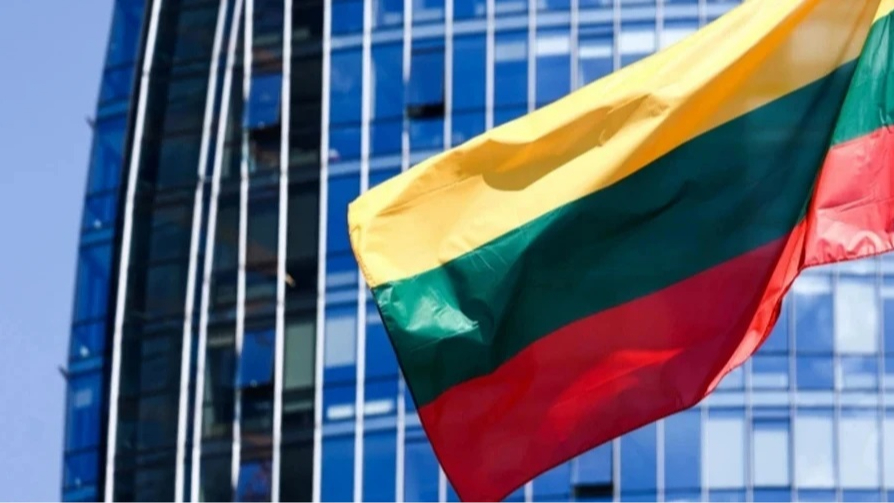
Lithuania, a European Union member state on the Baltic Sea, will from next week stop clearing Russian and Belarusian grain exported via the port of Klaipeda until test results confirm where it came from. Reuters reported this, citing a representative of Lithuania's Ministry of Agriculture. The checks could hold up exports for several months.
The rules cover wheat, barley, sunflower seeds and corn. Lithuania began inspecting grain shipments in September because it suspects that some of the grain originates from Ukrainian territories occupied by Russia.
Lab tests may take months
Lithuania has no laboratory able to carry out the necessary analyses, so they must be done abroad. According to the ministry official, testing may take two months or longer. If the declared origin proves false, the shipment will have to be returned or destroyed. Exporters will bear all costs of storage, testing, return or destruction.
European Union sanctions ban imports of Russian grain, but transit through the bloc's territory remains permitted. Moscow has not commented on the legal status of grain harvested in regions that the international community recognises as Ukrainian.
Background
Reuters notes that the Baltic states want to stop the transit of Russian and Belarusian grain through their ports. Moscow stepped up its use of Baltic export routes after Ukrainian attacks on ships and infrastructure in Black Sea ports. It was previously reported that Latvia and Lithuania are considering ending the transshipment of Russian grain in their ports. Estonia has already banned the carriage of Russian and Belarusian grain across its territory.
According to Matt Ammermann, a risk management manager at commodities firm StoneX, Russian wheat exports are running at roughly half of the usual volume, despite efforts to find alternative export routes.