Lithuania and six EU countries urge curbs on Russian travel and athletes
Lithuania's president and the prime ministers of six other EU states have asked EU leaders to restrict nonessential travel by Russians and to deny visas to Russian and Belarusian athletes. They argue that sport and geopolitics cannot be separated.
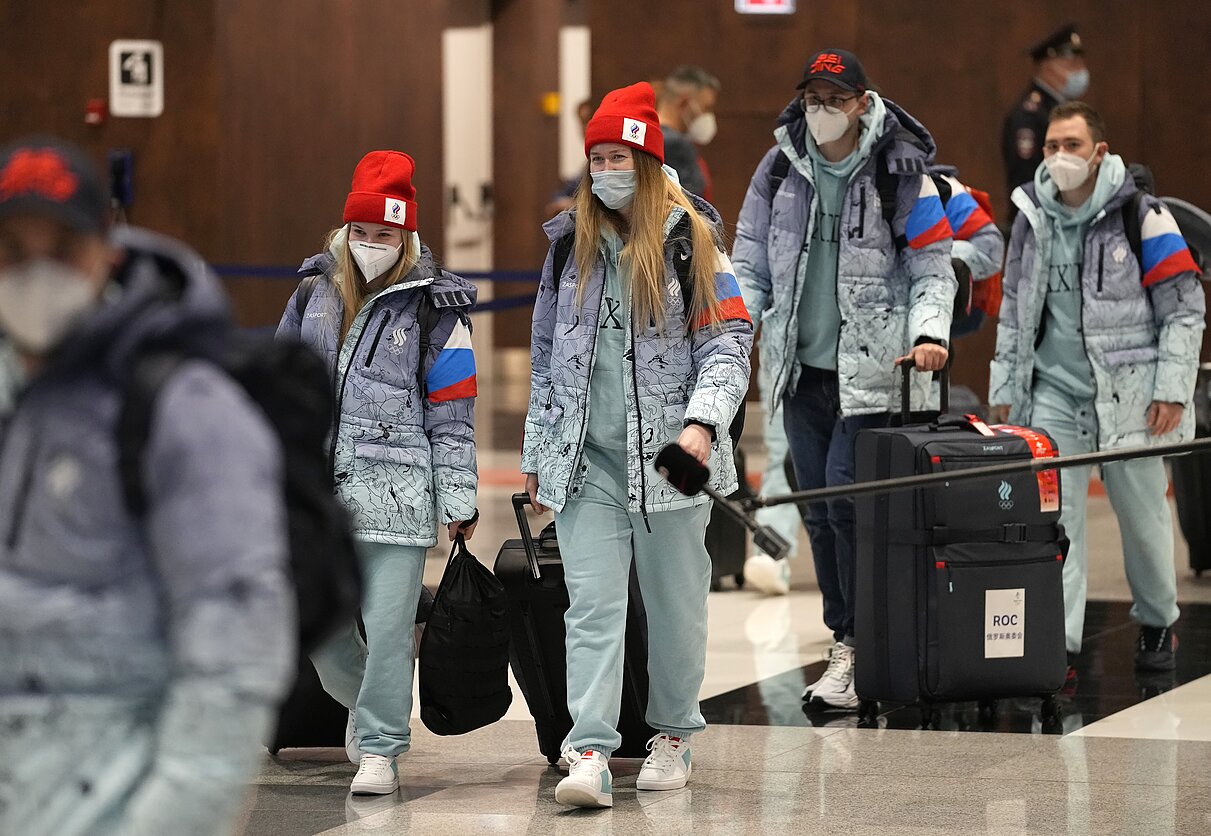
Lithuania and six other European Union member states have appealed to the bloc's leadership to restrict nonessential travel by Russian citizens to the EU and to keep Russian and Belarusian athletes out of European sporting events. The letter is addressed to European Commission President Ursula von der Leyen and European Council President António Costa. It was signed by Lithuanian President Gitanas Nausėda and the prime ministers of Latvia, Estonia, Poland, Denmark, Finland and Sweden.
What the letter asks for
The leaders call on the European Commission to propose measures that would prevent nonessential trips to the EU by Russian citizens. They also urge member states to stop issuing visas to Russian and Belarusian athletes, so that these athletes cannot take part in European sporting competitions.
The reasoning
The letter states that sport and geopolitics cannot be separated, and that this principle is already part of EU policy. It cites a European Council statement saying that, until a just and lasting peace is secured in Ukraine, the participation of Russia and Belarus in international sporting and cultural events should not be normalised, especially when national symbols are displayed. The leaders add that it is time to put this provision into practice.
The letter also says the EU must show that Russia's invasion of Ukraine will bring no benefits, by maintaining firm support for Kyiv and raising the costs of Moscow's military aggression. The signatories warn that recent developments in international sport risk sending the opposite message and contributing to the normalisation of Russian aggression. In their view, allowing Russian teams and athletes to compete in European sporting events would be seen by the Kremlin as a victory.