Youths are the loneliest people in Lithuania, study finds
A study by Vilnius University and telecom company Tele2 shows that young people in Lithuania most often experience intense loneliness. Psychologist Inga Truskauskaitė urges that loneliness be recognised as a problem at the political level.
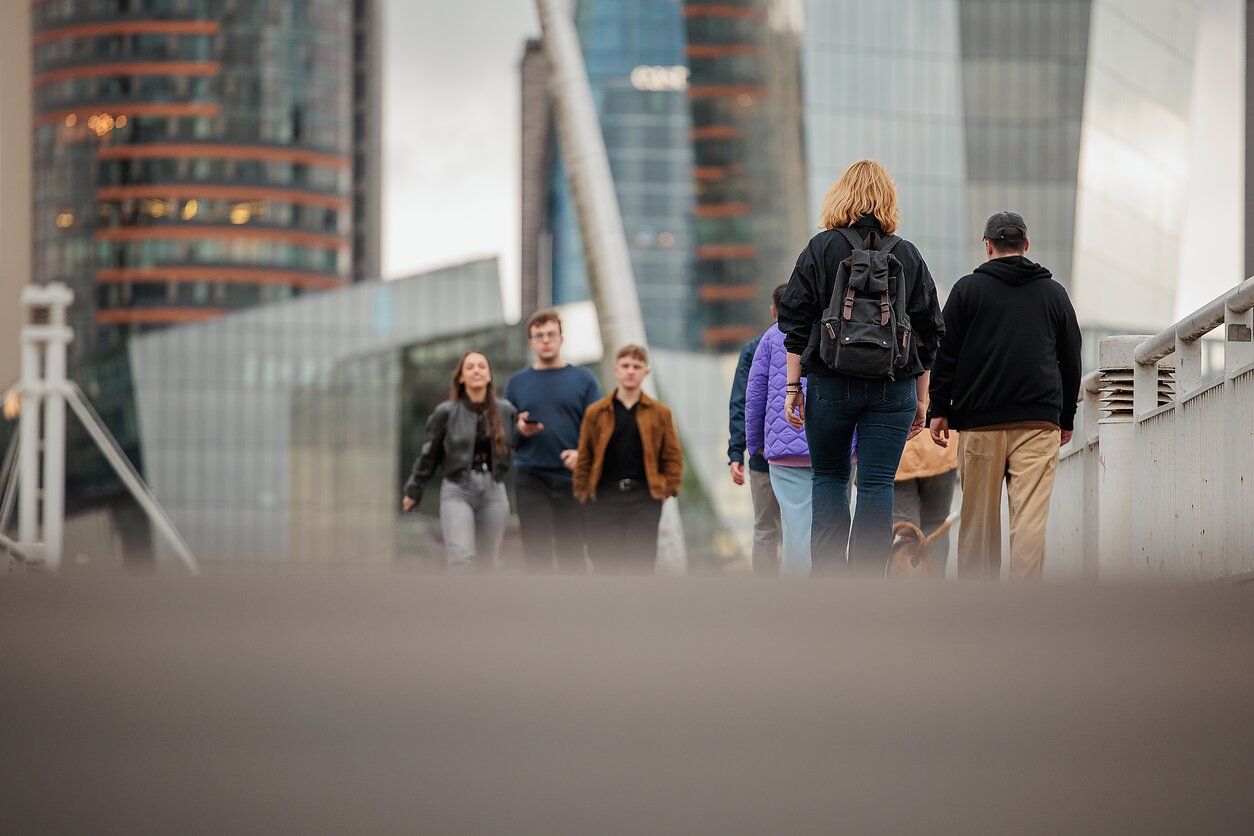
Young people aged 18 to 24 are the group in Lithuania most likely to experience intense loneliness. This emerged from a representative study of emotional resilience carried out jointly by Vilnius University and the telecommunications company Tele2. The data cover residents aged 18 to 74. Psychologist Inga Truskauskaitė, who has studied the emotional health and wellbeing of people in Lithuania, urges that loneliness be recognised as a problem at the level of state policy.
What the study found
About 13% of all adults in the sample report intense loneliness. In the 18–24 age group the figure is just over 30%, almost three times higher, meaning one in three respondents.
Truskauskaitė says the results are not surprising. Psychologists describe the period from 18 to 29 as the stage of becoming an adult, when a great deal in life changes. According to the study, young people feel lonely because of a lack of connection with themselves rather than with others around them, as they are still building a relationship with themselves. She says a stable connection with oneself becomes established at around the age of 35. Youth loneliness is not unique to Lithuania: research shows that about 50% of Europeans aged 18–35 feel moderate or intense loneliness.
How to reduce it
The psychologist says loneliness is linked to emotional health and to the resources people have for coping: support from others, skills for starting conversations and asking for help, and trust in their own abilities. She suggests messaging or phoning a friend instead of watching their life online.
She cites a 2026 review of 194 World Health Organisation (WHO) member countries, which found eight with policies directly addressing loneliness, social isolation or social connection: Denmark, the UK, Finland, Germany, the Netherlands, Sweden, Japan and the US. No national policy has yet been thoroughly evaluated for effectiveness.
The role of social media
According to the psychologist, social media encourages comparison with others, lower self-esteem and growing distance between people. She also mentions the “scrolling hangover”, an unofficial term for the tiredness that follows time spent scrolling on a phone that seems like rest.